A named, verifiable expert quotation was not included in the source material, so attributing invented words would undermine reliability. The technical point is clear: master batch gives manufacturers a controlled way to introduce color and functional additives into plastic. It usually consists of concentrated pigments or additives dispersed in a carrier resin. During production, workers blend a measured amount with the base polymer before molding or extrusion.
The difference shows up on the factory floor. A well-dispersed color concentrate can help produce more uniform pellets, sheets, or molded parts. Additive grades may support specific properties, such as UV resistance or antistatic performance, when selected for the application. Small dosage. Big effect. But only when the concentrate matches the polymer and process.
Choosing a grade takes more than picking a shade from a sample card. Processors need to consider the carrier resin, recommended letdown ratio, temperature, and equipment. A mismatch can cause streaks, uneven color, or inconsistent performance. Even a suitable product needs careful dosing and mixing. Results vary with the material and production conditions.
This guide explains why master batch is used, what benefits it can offer, and where its limits matter. It also looks at practical selection factors, from dispersion to process compatibility. One point deserves reflection: a concentrate may simplify production, but it does not guarantee better quality on its own. The formulation, handling, and testing still matter.
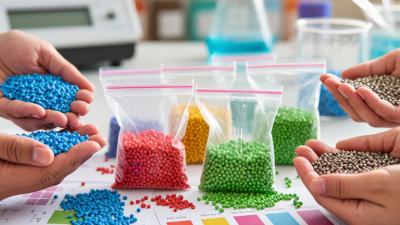
Masterbatch is a concentrated mixture of pigment or functional additives held in a carrier resin. It is usually supplied as small, solid pellets. A color masterbatch may contain finely dispersed pigment, while an additive grade might help control properties such as UV resistance or slip. The carrier is selected to work with the plastic being processed, such as polyethylene or polypropylene.
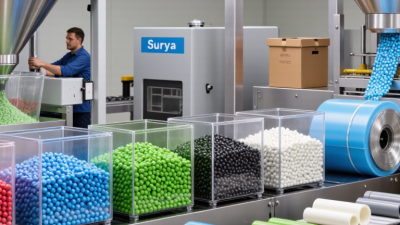
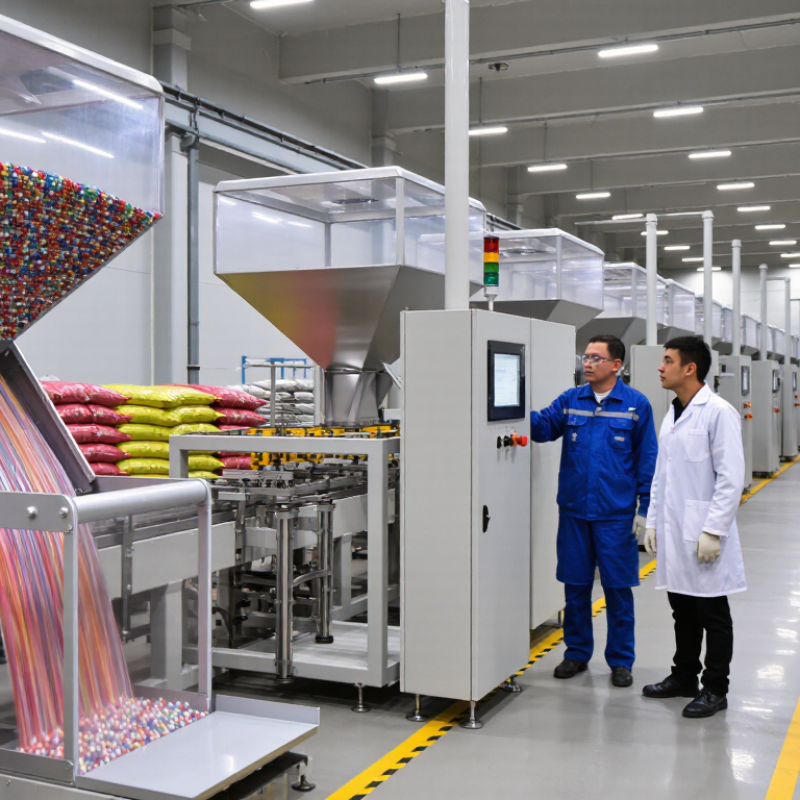
During manufacturing, workers blend a measured amount of masterbatch with natural polymer pellets. The mixture enters an extruder, where heat and screw movement melt the resin and distribute the concentrate through the plastic. The colored melt can then be shaped into film, sheet, or molded parts. Small pellets. Even feeding matters: poor mixing can leave streaks or uneven color in the finished product.
The recommended dosage depends on the concentrate and the desired result; it is not a universal percentage. A trial run can reveal whether the color is consistent and whether the material still processes well. A neat-looking pellet is not proof of good dispersion. Compatibility, moisture, temperature, and mixing conditions can all affect performance, so process data should be checked before production. In practice, one setting rarely fits every line.
Masterbatch begins with concentrated pigment or functional additives blended into a compatible carrier resin. The ingredients are mixed under controlled heat and shear, then typically pushed through an extruder. The hot strands are cooled and cut into small pellets. These pellets are easier to store and meter than loose powders. The carrier should work well with the main plastic; a poor match can affect strength or surface finish.
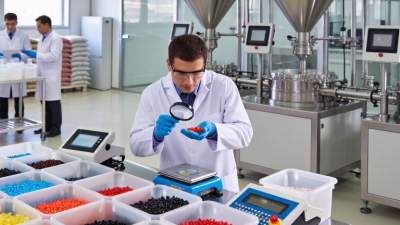
During molding or extrusion, workers blend a measured amount of masterbatch with natural resin. The required proportion depends on the desired color or additive level, so production teams follow the supplier’s technical data and verify results with test pieces. Feed rate, temperature, and mixing conditions all matter. In practice, dispersion can be less even than a process diagram suggests. A streaked sample may mean the dose, mixing, or material compatibility needs checking.
Tips: Weigh the pellets rather than estimating by volume. Keep materials clean and dry when the resin requires it. Small details matter. Record the recipe and inspect a finished part before running a full production batch.
Masterbatch gives plastic processors a controlled way to add color and performance ingredients. Instead of weighing fine powders at every machine, operators feed concentrated pellets into the polymer melt. The carrier resin helps distribute pigments or additives through the material. That can reduce dust around feeding stations and limit visible streaks in molded parts. Small details matter: a pale panel can reveal uneven dispersion quickly.
The roles go beyond appearance. Color masterbatch supports repeatable shades, while functional grades can add UV protection, antistatic behavior, or flame resistance, depending on the formulation. Plastics Europe reported global plastics production of 400.3 million tonnes in 2022, showing the scale of material processing where consistent dosing matters. Grand View Research valued the global masterbatch market at about USD 12.8 billion in 2023; this is a market estimate, not proof that every application needs masterbatch. There is a trade-off. Poor compatibility, incorrect let-down ratios, or weak dispersion can cause defects and extra scrap. A test run is still essential. Recipes sometimes need adjustment.
Masterbatch helps manufacturers add color or functional additives to plastic in a controlled, repeatable way. It combines concentrated pigments or additives with a compatible carrier resin. During production, a measured amount is blended with the base polymer. This can produce more consistent color across pellets and finished parts. It can also simplify storage and handling compared with dosing loose powders. Less mess around the hopper matters on a busy production floor. Small differences still show, though. Poor dispersion may leave streaks or uneven shades.
Tips: Check the recommended let-down ratio and confirm that the carrier resin suits your base polymer. Run a small trial first. Inspect molded parts under consistent lighting, not just beside the machine.
Masterbatch can also support specific performance goals, such as UV resistance, antistatic behavior, or easier processing. The right formulation may reduce dosing steps and make production changes easier to manage. But it is not a universal fix. Moisture, mixing conditions, temperature, and equipment can affect results. Keep a record of the batch, dosage, and processing settings. If a shade or property drifts, those details help identify the cause. A trial may need adjustment; that is normal, not proof that the approach failed.
| Masterbatch Function | What It Contains | How It Is Used | Production Benefit | Important Consideration |
|---|---|---|---|---|
| Colouring | Pigments or dyes dispersed in a carrier resin | Measured pellets are blended with the base polymer before or during melt processing. | Provides a practical way to introduce colour and helps achieve consistent colour distribution when dosing and mixing are controlled. | Colour results depend on the pigment, polymer, processing conditions, and the accuracy of the blend ratio. |
| UV protection | UV stabilisers formulated in a polymer carrier | Added to plastics intended for outdoor or sun-exposed use. | Can help reduce UV-related degradation, such as loss of mechanical properties or surface changes. | The appropriate formulation depends on the polymer, product design, exposure conditions, and required service life. |
| Antioxidant protection | Antioxidant additives dispersed in a compatible carrier | Incorporated during compounding or product processing. | Can help limit oxidative degradation caused by heat and oxygen during processing or use. | Selection and loading need to suit the resin and its processing history. |
| Antistatic performance | Antistatic additives carried in polymer pellets | Blended into the resin used to make films, packaging, or moulded parts. | Can reduce the build-up of static charge, depending on the additive and application. | Performance may vary with humidity, surface conditions, formulation, and time after processing. |
| Processing assistance | Processing aids or lubricating additives in a carrier resin | Introduced with the base polymer at a controlled addition rate. | Some formulations can improve melt processing or help reduce friction and processing-related issues. | Benefits are formulation-specific; excessive or incompatible additives may affect the finished product. |
| Cleaner additive handling | Concentrated pigments or additives in pellet form | Handled and fed as pellets rather than as loose powders, where the formulation allows. | Can simplify storage, metering, and material handling compared with many loose additives. | Pellets still need suitable storage and accurate feeding to prevent contamination or dosing errors. |
| More controlled dosing | A concentrated additive package with a specified composition | Added in a defined proportion to the base resin using suitable mixing or feeding equipment. | Supports repeatable additive delivery when the masterbatch concentration and feed rate are known. | Follow the supplier’s technical guidance and verify the required addition level for the specific application. |
| Compatibility with production processes | A carrier resin selected for the intended polymer system | Processed with the base resin using methods such as extrusion, injection moulding, or film production. | Pellet form makes masterbatch suitable for integration into many common thermoplastic production workflows. | Carrier-resin compatibility and melt-processing conditions are essential for good dispersion and product quality. |
Note: Masterbatch is a concentrated mixture of pigments or functional additives dispersed in a carrier resin. Its results depend on formulation, compatibility, dosage, mixing, and processing conditions.
Factors That Guide Masterbatch Selection
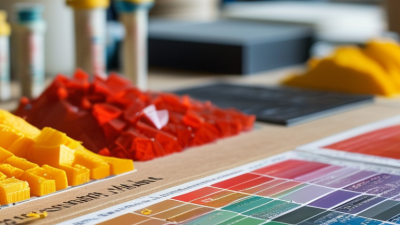
Choosing a masterbatch starts with the base polymer. Its carrier resin should suit the plastic being processed; otherwise, dispersion or finished-part performance may suffer. Check the required shade, opacity, and pigment loading against the product’s appearance and function. A thin film, for example, can reveal streaks that are hard to spot in a thick molded part.
Processing conditions matter too. Review the equipment’s melt temperature, screw design, and output rate, then confirm that the masterbatch can disperse under those conditions. Consider the end use, expected exposure to heat or sunlight, and any applicable material requirements. A small production trial can reveal color drift, specks, or feeding problems before a larger run. Still, a neat lab sample does not guarantee a flawless production result. That gap is easy to underestimate.
Tips: Ask for technical data on compatibility, recommended dosage, and heat stability. Compare samples in the actual resin and on the intended equipment. Record the settings and inspect parts after cooling; small changes in processing can shift the final color.
Typical Masterbatch Addition Rates by Type
Masterbatch delivers color or functional additives in a concentrated form. The ranges shown are indicative; the required rate depends on the formulation, polymer compatibility, desired result, and processing conditions. Selection should also consider dispersion, heat stability, and any applicable regulatory requirements.
WhatsApp us