A white agricultural film looks simple on the roll. After months outdoors, sunlight can make it brittle, faded, and prone to cracking. UV masterbatch helps manufacturers slow that damage by dispersing UV absorbers or stabilizers through a polymer during production. The right formulation depends on the resin, product thickness, pigment, processing conditions, and expected exposure. Small formulation changes matter.
PlasticsEurope’s Plastics—The Fast Facts 2024 reports global plastics production of 413.8 million tonnes in 2023. That scale makes material durability a practical design concern, especially for products exposed to sunlight. ISO 4892-3 describes fluorescent UV-lamp exposure methods for assessing plastics. It offers a controlled comparison, not a guarantee of outdoor service life. Real sunlight, heat, moisture, and geography can change results.
Dr. Hans Zweifel, author and editor of Plastics Additives Handbook, is a recognized reference in polymer additives. A useful paraphrase of the handbook’s formulation principles is: “UV protection must match the polymer, exposure, and service life.” This is a paraphrase, not a verified verbatim quotation. In this guide, we explain what UV masterbatch contains, where manufacturers use it, and how to assess compatibility and performance. Expect trade-offs: stronger protection may affect color, cost, or processing. Testing remains essential.
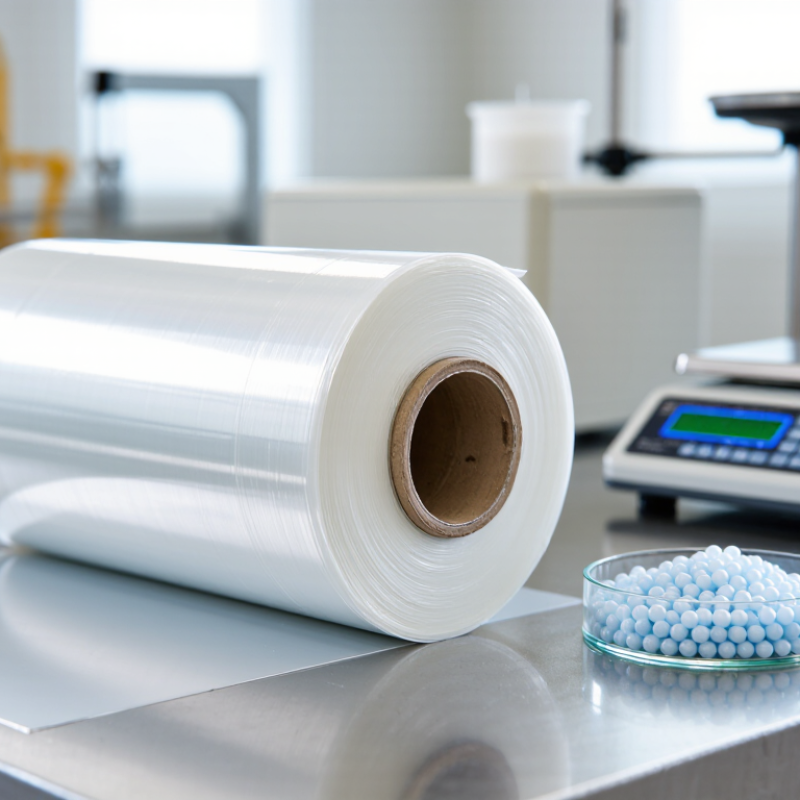
UV masterbatch is a concentrated blend of ultraviolet-protective additives dispersed in a carrier resin. It is usually supplied as pellets and mixed into a base polymer during manufacturing. The carrier should be compatible with the target plastic, helping the additives spread through the melt rather than form uneven pockets. Common ingredients include UV absorbers, which absorb harmful radiation, and hindered amine light stabilizers (HALS), which help interrupt light-driven degradation reactions.
PlasticsEurope’s Plastics—The Fast Facts 2024 reports that global plastics production reached 413.8 million tonnes in 2023. That scale helps explain why additive concentrates are useful across many plastic products, though not every application needs UV protection.
In practice, a processor selects the masterbatch for the polymer, product thickness, color, and expected outdoor exposure. A thin film on a sunny fence may need a different formulation from a thick molded component. The pellets are blended at a controlled rate, then dispersed during extrusion or molding.
Too little additive may leave weak spots; too much can affect cost, color, or processing. Performance should be checked through weathering tests, such as ISO 4892-3 or ASTM G154 exposure, alongside real-use experience where possible. These tests compare material changes under controlled conditions, but they do not promise an exact outdoor service life. UV protection also fades or varies with climate, surface orientation, and formulation.
The label can mislead if treated as a guarantee.
UV masterbatch is a concentrated blend added to plastic during manufacturing. Its main components are UV stabilizers, a carrier resin, and processing aids. The stabilizers may absorb ultraviolet energy or slow chemical reactions that damage polymer chains. The carrier resin helps disperse these ingredients through the plastic. Think of it as a delivery system, not a protective coating.
During extrusion or molding, masterbatch pellets mix with the base resin and melt. Shear and heat help distribute the additives, though poor mixing can leave uneven protection. UV exposure can cause fading, brittleness, and surface cracking, especially in outdoor products. Stabilizers reduce these effects, but performance depends on the polymer, dosage, product thickness, and exposure conditions. No blend works equally well everywhere. Lab results can also flatter a sample compared with years outdoors.
Tips: Check compatibility with the base resin and follow the supplier’s recommended addition rate. Test molded samples under relevant weathering conditions. A small color shift may be acceptable; early cracking is not. Record the formulation and processing settings, since even a useful blend can disappoint after a minor production change.
UV masterbatch is a concentrated blend of UV-protective additives dispersed in a carrier resin. It is added during plastic processing to help reduce UV-related degradation, discoloration, and loss of mechanical properties. Formulations vary by polymer and application.
UV radiation is commonly classified as UV-C (100–280 nm), UV-B (280–315 nm), and UV-A (315–400 nm). UV absorbers and stabilizers in a masterbatch help protect polymers by absorbing UV energy or slowing the resulting degradation reactions. The chart shows wavelength ranges, not a product-performance comparison.
UV masterbatch is a concentrated blend of UV-stabilizing additives and a carrier resin. Manufacturers mix it into plastic during processing to help reduce damage from sunlight. The exact protection depends on the resin, additive level, product thickness, and expected exposure. It is not a one-size-fits-all fix.
In agriculture, greenhouse films and irrigation components may use UV masterbatch to withstand prolonged outdoor exposure. Packaging films and crates can also benefit when they are stored or used in sunny areas. Outdoor chairs, bins, and playground components are other common applications. For example, a molded chair left on a patio faces repeated sunlight and heat, unlike a container kept indoors. Small differences matter.
Pipes, cable coverings, and construction sheets may use UV additives when their surfaces are exposed during service or storage. The masterbatch must suit the base polymer and processing conditions; poor dispersion can leave uneven protection. Testing samples under realistic exposure is sensible. Sunlight varies. A dark product may hide fading, but it can still become brittle. I would treat stated service life as an estimate, not a promise, because climate, color, and product design all influence performance.
UV masterbatch is a concentrated blend of UV stabilizers carried in a compatible polymer. Added during processing, it can help slow sunlight-driven fading, surface cracking, and loss of toughness in products such as films, pipes, and outdoor furniture. The benefit depends on the resin, pigment, product thickness, and stabilizer package. More additive does not automatically mean longer service life. It may raise costs or affect color, clarity, and processing.
PlasticsEurope’s Plastics—The Fast Facts 2023 reports 400.3 million tonnes of global plastics production in 2022. That scale makes durability a practical concern, but the figure does not prove any masterbatch’s performance.
For a specific product, compare samples after controlled weathering, such as exposure under ASTM G154, and measure color and mechanical strength. Real sunlight varies. A test result cannot perfectly predict every climate or use pattern. One limitation is often overlooked: UV protection may not prevent damage from heat, moisture, or abrasion. Small details matter, including even dispersion and accurate dosing. A cloudy outdoor application can still degrade over time.
Selecting UV masterbatch starts with the polymer and the product’s real exposure. A greenhouse film facing strong sun needs different protection from a shaded indoor component. Consider expected service life, climate, and whether the part will meet moisture, heat, or chemical exposure. The same formulation may not suit every application. Check that the masterbatch carrier matches the base resin; poor compatibility can affect surface finish, strength, or processing. Heat matters too. High extrusion temperatures may reduce the effectiveness of some UV additives, so compare the processing window with the supplier’s technical guidance.
Also consider dosage, dispersion, and appearance. Too little additive may leave parts vulnerable; too much can raise costs or alter color and clarity. For thin films, uneven dispersion may show as streaks or weak spots. Ask for test data relevant to the intended polymer and application, then validate samples under realistic weathering conditions. A neat datasheet is not field proof. This step is easy to rush, and that can be a mistake. Where performance is critical, compare retained color, impact strength, and surface condition after exposure, rather than relying on a single UV-resistance claim. Keep production records, since small changes in thickness or processing can affect results.
UV masterbatch is a concentrated blend of ultraviolet stabilizers dispersed in a carrier resin. It is mixed into a base polymer during processing to help reduce UV-related degradation and extend the useful life of plastic products.
| Selection Factor | Why It Matters | Practical Considerations | Common Uses or Checks |
|---|---|---|---|
| Polymer compatibility | The carrier resin should be compatible with the base polymer to support even dispersion and avoid processing or appearance problems. | Confirm the carrier is suitable for the target resin, such as polyethylene, polypropylene, or a specific engineering plastic grade. | Check for changes in surface quality, color, mechanical properties, and melt processing behavior. |
| Stabilizer chemistry | Different UV stabilizers work in different ways. UV absorbers reduce the UV radiation reaching the polymer, while hindered amine light stabilizers (HALS) help interrupt degradation reactions. | Choose chemistry based on the polymer, product design, exposure conditions, and any restrictions on the intended application. | Outdoor films, molded parts, fibers, pipes, and agricultural products may require different stabilization approaches. |
| Outdoor exposure conditions | UV intensity, temperature, moisture, and exposure duration all affect how quickly a plastic product may weather. | Describe the product’s location, expected service life, climate, and whether it will face direct sunlight or intermittent exposure. | Use weathering tests suited to the application, such as fluorescent UV exposure under ASTM G154 or xenon-arc exposure under ISO 4892-2. |
| Dosage and let-down ratio | The amount added affects stabilizer concentration in the finished product and can influence cost, appearance, and performance. | Follow the supplier’s recommended let-down ratio for the specific formulation and validate it in the actual polymer and process. | Confirm dosing accuracy and mixing consistency during production; do not assume one dosage suits every resin or application. |
| Processing conditions | Heat and residence time during extrusion or molding can affect additive stability and dispersion. | Check the recommended processing temperature range and whether the product is suited to the equipment and production method. | Review performance in film extrusion, injection molding, blow molding, or fiber spinning as applicable. |
| Dispersion and product appearance | Uniform dispersion helps provide consistent protection and reduces the risk of visible specks or uneven color. | Evaluate the masterbatch in trial production, especially for thin films, light-colored parts, and products with demanding surface-finish requirements. | Inspect color, haze, transparency, surface quality, and additive distribution in the finished product. |
| Mechanical and functional properties | Stabilizers and their carrier can affect properties that matter to the product, particularly at higher additive levels. | Test the finished formulation for the properties required by the application rather than relying only on the masterbatch specification. | Possible checks include tensile strength, elongation, impact performance, flexibility, and retention of these properties after weathering. |
| Regulatory and end-use requirements | Requirements vary by market and by whether the product contacts food, drinking water, or other regulated materials. | Request current compliance documentation for the intended region and end use; verify that it covers the finished formulation and conditions of use. | Check applicable food-contact, drinking-water, or other sector-specific requirements before production. |
| Testing and service-life validation | Accelerated weathering can compare formulations, but test results do not directly guarantee a precise outdoor service life. | Use agreed exposure conditions and evaluation criteria, and where possible compare accelerated results with real-world exposure data. | Track color change, gloss, cracking, embrittlement, and mechanical-property retention at defined intervals. |
| Application and product design | Part thickness, color, surface area, and product geometry can influence UV exposure and performance needs. | Assess the complete product design, including exposed surfaces and any layers or pigments that may affect UV transmission. | Common applications include outdoor films, agricultural covers, outdoor furniture, construction components, and packaging exposed to sunlight. |
Selection guidance is formulation- and application-dependent. Confirm compatibility, recommended dosage, processing limits, and performance through supplier documentation and testing of the finished product.
WhatsApp us