Top 10 Benefits of Using Oxo Biodegradable Products?
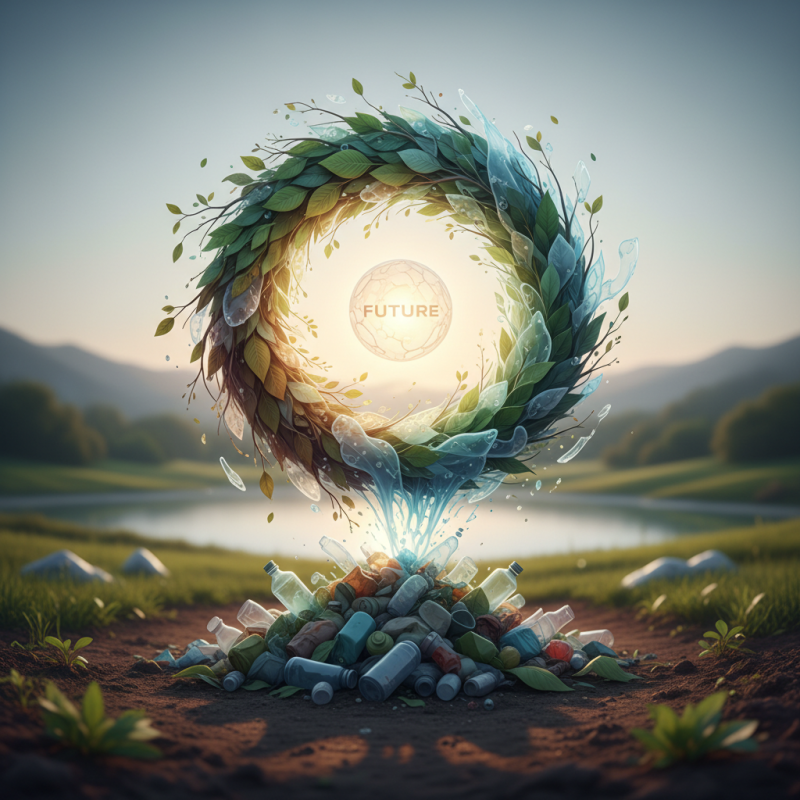
Oxo biodegradable products represent a significant step towards sustainability. These items are designed to break down more quickly than traditional plastics, minimizing environmental impact. Using oxo biodegradable materials can reduce landfill waste and lower pollution levels. This innovative approach to packaging and consumer goods offers practical solutions for eco-conscious individuals and businesses.
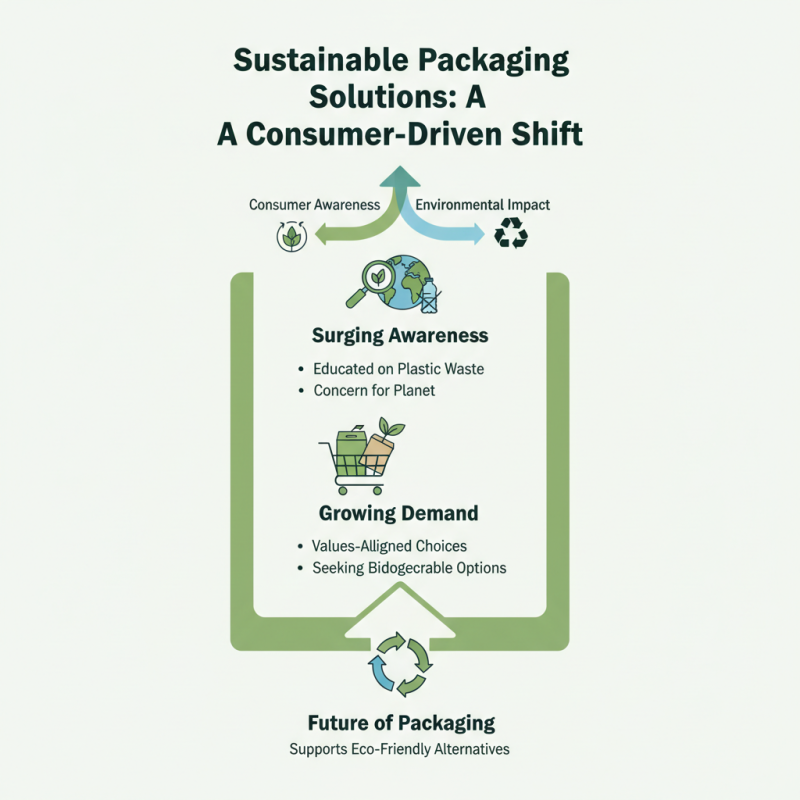
The growing popularity of oxo biodegradable products highlights a shifting mindset towards environmental responsibility. Consumers are becoming increasingly aware of their ecological footprint. They seek alternatives that align with their values. Oxo biodegradable items often provide the same convenience as conventional plastics but with a reduced environmental cost.
However, the effectiveness of these products can vary. Some may decompose slower than expected or require specific conditions to break down completely. Awareness of these factors is vital. Despite these challenges, the potential benefits of using oxo biodegradable products cannot be overlooked. They serve as a bridge towards a more sustainable future. The journey of embracing oxo biodegradable solutions is ongoing, marked by both achievements and areas for improvement.
Environmental Impact Reduction of Oxo Biodegradable Products
Oxo biodegradable products are gaining traction for their positive environmental impact. These materials are designed to degrade more quickly than traditional plastics. According to a study by the European Bioplastics Association, plastic waste could potentially be reduced by 50% with the adoption of biodegradable alternatives. This shift is crucial given that about 300 million tons of plastic are produced each year, leading to serious pollution.
The degradation process of oxo biodegradable products usually starts within a few months. Unlike conventional plastics, which take centuries to decompose, oxo biodegradable materials transform into harmless substances. The Environmental Protection Agency reports that reducing plastic use could minimize landfill waste significantly. Yet, some experts argue that oxo biodegradable products need more rigorous testing to ensure they decompose effectively under various conditions.
While these products show promise, challenges remain. Not every biodegradable material breaks down in natural environments. Some studies indicate that improper disposal still leads to waste accumulation. It's vital to educate consumers about the correct usage of these products. Understanding local waste management procedures can enhance the intended benefits significantly.
Comparison of Oxo Biodegradable vs. Traditional Plastics
Oxo biodegradable plastics offer a significant advantage over traditional plastics in terms of environmental impact. They break down more quickly under specific conditions, reducing their lifespan in the environment. Unlike conventional plastics, which can take hundreds of years to decompose, oxo biodegradable materials can fragment into smaller pieces. This process can occur in a matter of months, which is a vital step in minimizing plastic pollution in landfills and oceans.
However, there are concerns regarding the effectiveness of oxo biodegradable products. Inconsistent degradation conditions may result in these materials not breaking down as intended. Environmental factors play a crucial role. If they do not reach the right temperatures or moisture levels, the degradation process slows down significantly. This uncertainty raises questions about their reliability as a sustainable alternative. Not all oxo biodegradable products are created equal; some may perform better than others based on their composition.
In contrast, traditional plastics remain problematic regardless of their widespread use. They contribute directly to pollution and threaten wildlife. While some recycling systems exist, they often do not handle all plastic types effectively. The shift towards oxo biodegradable alternatives may not be a panacea. It requires careful consideration of their production, use, and disposal. Consumers and manufacturers alike must stay informed and critical of their choices to make strides toward sustainability.
Economic Benefits for Businesses Using Oxo Biodegradable Products
Businesses today face pressure to adopt sustainable practices.
Oxo biodegradable products offer a promising solution.
According to a study by the European Bioplastics Association, the global bioplastics market is expected to grow significantly,
reaching over $18 billion by 2024.
This growth indicates a strong market demand for eco-friendly options.
Using oxo biodegradable products can enhance a company's image.
Sustainability resonates with consumers.
Research shows that 73% of millennials are willing to pay more for sustainable brands.
By switching to oxo biodegradable options, companies can tap into this growing consumer preference.
This not only improves brand loyalty but can lead to increased market share.
Additionally, oxo biodegradable products can result in cost savings.
Although the initial investment may be higher, waste disposal costs can decrease.
A report from the World Economic Forum indicates that better waste management can reduce municipal expenses by up to
30%. Investing in these products today can yield long-term financial benefits while supporting
environmental goals. However, it's critical for businesses to assess their waste management strategies and the overall lifecycle cost of these products.
Lifecycle Analysis of Oxo Biodegradable Products from Production to Disposal
Oxo biodegradable products undergo a unique lifecycle, starting from production. The process typically involves additives that accelerate degradation. These products are derived from conventional plastics, yet they have enhanced end-of-life profiles. Their production methods are similar to traditional plastics, often focusing on cost-effectiveness.
Disposal is a critical phase. Unlike standard plastics, oxo biodegradable options break down into smaller fragments when exposed to oxygen and UV light. This suggests a more responsible approach to waste management. However, this does not guarantee complete biodegradability in all environments. Critics argue that oxo products may still contribute to microplastic pollution.
Education is essential for consumers. Understanding the lifecycle helps distinguish oxo biodegradable options from traditional alternatives. It’s clear that benefits exist, but rigorous independent studies are needed. More data could clarify the environmental impact of these products, fostering informed choices among users.