10 Best UV Masterbatch Suppliers for Global Buyers?
Choosing a reliable uv masterbatch supplier requires more than comparing prices or browsing colorful product catalogs. Global buyers must examine polymer compatibility, additive dispersion, weathering performance, production consistency, and technical support. A masterbatch that performs well in polyethylene film may fail in polypropylene furniture or agricultural pipe.
Dr. George Wypych, a respected polymer-weathering specialist, has stated, “Weathering is a complex process influenced by material, environment, and exposure conditions.” This principle remains highly relevant. Sunlight intensity, humidity, temperature, pigment selection, and processing temperature can change outdoor performance significantly. Therefore, this guide evaluates ten uv masterbatch suppliers through practical purchasing criteria, not promotional claims alone.
The selection considers UV absorbers, HALS systems, carrier resins, recommended dosing, dispersion quality, and independent weathering data. It also reviews batch traceability, certificates of analysis, minimum order quantities, delivery reliability, and regional technical service. Some suppliers offer extensive laboratories. Others provide faster customization for smaller manufacturers. Neither strength guarantees universal suitability.
That matters.
A low-cost product may reduce initial expenses but create fading, cracking, or warranty problems later. Buyers should request samples and test them under application-specific conditions. Accelerated testing helps, but it cannot perfectly reproduce every climate. This is an important limitation.
The following supplier overview is a practical starting point for global procurement teams. It is not an absolute ranking. Market capability changes, and supplier performance may differ by country, resin, and production line. Careful validation remains essential.
What Is UV Masterbatch and Why Does It Matter?
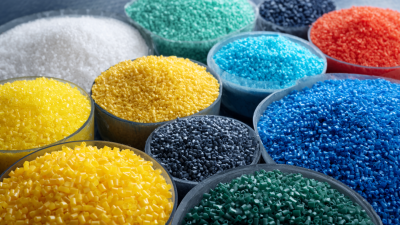
UV masterbatch is a concentrated blend of ultraviolet stabilizers, pigments, and carrier resin. It protects plastic products from sunlight, heat, and outdoor exposure. Without suitable protection, a film may become brittle, fade, or crack within months.
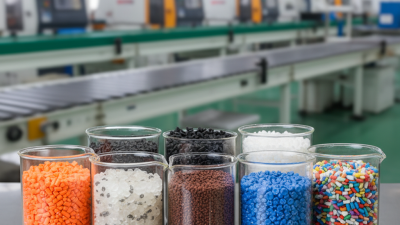
In practical production, the masterbatch must match the base polymer. Polyethylene, polypropylene, and engineering plastics can require different formulations. A skilled supplier should provide dosage guidance, technical data, and batch consistency records. Buyers should also request samples for weathering tests, color checks, and processing trials. Lab results matter, but factory performance can still differ. That is an uncomfortable detail worth remembering. UV protection is not magic.
Tips: Ask about active ingredient levels, carrier compatibility, recommended loading, and storage conditions. Check whether the supplier has experience with your product thickness and climate. A thin agricultural film may need different protection from a thick outdoor container. Compare suppliers by technical support, documentation, production control, and response speed, not only by price. Global buyers should also confirm packaging quality and shipping stability. Moisture or damaged bags can affect material performance before production begins.
Selecting among the 10 best UV masterbatch suppliers requires evidence rather than attractive claims. Look for test methods, traceable quality records, and clear communication about limitations. A dependable supplier will discuss expected service life honestly. They should not promise identical results for every resin, climate, or application. That honesty often reveals stronger professional experience.
How to Evaluate UV Masterbatch Suppliers Worldwide
10 Best UV Masterbatch Suppliers for Global Buyers?
How to Evaluate UV Masterbatch Suppliers Worldwide
Selecting a UV masterbatch supplier requires more than comparing price lists.
Start with the carrier resin, active stabilizer type, recommended dosage, and processing temperature. These details must match your film, pipe, packaging, or molded product. A supplier should provide a current technical data sheet and a certificate of analysis for each batch.
Ask for evidence from accelerated weathering tests.
Xenon-arc and UV exposure results can show color retention, surface cracking, and tensile strength changes. However, laboratory results are not outdoor guarantees. Climate, pigment choice, thickness, and processing conditions can change performance. Request samples and run trials on your own equipment. Check dispersion under a microscope if possible.
Supplier reliability also depends on traceability and communication.
Review production records, quality-control procedures, export experience, and packaging protection. Moisture-damaged bags can create uneven dispersion before production begins. Confirm lead times, minimum order quantities, and backup logistics routes. Clear answers matter.
Some buyers focus too heavily on the lowest quotation.
That approach can become expensive after rejected batches or premature fading. A factory audit, video inspection, or independent test may reveal weaknesses. Still, no evaluation is perfect. Your application data may be incomplete, and supplier claims require careful verification. Choose documented performance over confident promises.
Key Factors Behind Choosing the Right Supplier
Choosing among the 10 best UV masterbatch suppliers requires more than comparing prices. A reliable supplier should explain pigment loading, carrier resin compatibility, weathering performance, and recommended dosage clearly. Ask for technical data sheets, safety documents, and independent test results. Vague answers deserve caution. A polished brochure is not proof.
Request samples that match your actual polymer and production process.
Test them in outdoor exposure, heat aging, and color measurement trials. Check whether the concentrate disperses evenly at your intended screw speed. Small streaks can become serious defects in film, pipes, or agricultural products. I have found that a supplier’s laboratory advice matters most when results differ from the sample sheet.
Consistency also depends on manufacturing discipline. Review batch controls, traceability records, minimum order quantities, and normal lead times. A capable supplier should discuss storage conditions and offer practical dosing guidance, not just promise strong protection. Confirm whether technical support operates across your time zone. Ask how complaints are investigated. The answer reveals more than sales language. Price still matters, but an inexpensive product may create waste, downtime, or repeated testing.
One weakness remains: accelerated weathering cannot perfectly reproduce every climate. Buyers should leave room for field trials and adjust specifications after real exposure.
10 Leading UV Masterbatch Suppliers for Global Buyers
Global buyers need more than a long supplier list when sourcing UV masterbatch. The ten leading suppliers should demonstrate practical experience with agricultural film, packaging, woven fabric, and outdoor injection molding. Their technical teams must explain dosage, carrier compatibility, and expected weathering performance clearly.
Reliable suppliers provide a technical data sheet, certificate of analysis, safety documentation, and batch traceability. Ask for samples in the intended polymer, not only loose black or white pellets. A small film trial can reveal dispersion problems, surface defects, or unexpected color changes. Suppliers with in-house testing may offer xenon-arc or accelerated weathering results. Those results still need careful interpretation.
Global purchasing also depends on stable production and responsive communication. Check minimum order quantities, sample lead times, packaging strength, and export documentation before signing an agreement. A capable supplier should discuss recycled resin, processing temperature, and local regulatory requirements without making vague promises. Price matters, but an inexpensive additive can increase waste when protection fades too early. I would not rank suppliers by certificates alone. Real performance depends on formulation, processing, and exposure conditions. That part is often underestimated. Ask each of the ten shortlisted suppliers for comparable test data and a realistic service life range.
How to Compare Quality, Pricing, and Technical Support
10 Best UV Masterbatch Suppliers for Global Buyers?
Comparing UV masterbatch suppliers requires more than checking resin compatibility and price.
Grand View Research valued the global masterbatch market at about USD 12.8 billion in 2022.
It also projects roughly 5.6% annual growth from 2023 to 2030. This growth increases supplier choices, but not necessarily product consistency. Ask for controlled test data, including UV exposure hours, color change, tensile retention, and dosage. A supplier should identify the carrier resin, active stabilizer type, recommended loading, and processing temperature.
Vague technical sheets deserve caution.
Pricing should be compared per protected kilogram of finished plastic, not per masterbatch kilogram. A cheaper product may require double the dosage or create filtration problems. Request samples from the same production lot, then run trials using your actual film, fiber, or molded part. Measure melt flow before and after exposure.
Small details matter.
Smithers’ plastics industry forecasts continue to highlight performance, sustainability, and material efficiency as major purchasing pressures through 2028. Buyers should therefore examine packaging, batch traceability, storage life, and documentation for recycled-content applications.
Technical support is often the overlooked cost. Reliable suppliers provide formulation guidance, trial protocols, troubleshooting records, and response times in writing. Ask whether an engineer can review failed samples, not merely send a brochure. I would not treat one successful laboratory result as proof of field performance. Weathering equipment, pigment interaction, and local processing conditions can change outcomes.
Supplier rankings should remain flexible, because the best technical partner for outdoor film may be unsuitable for agricultural pipe or automotive components.