Why is Plastic Processing Essential for Modern Manufacturing?
Plastic processing plays a pivotal role in modern manufacturing. This field encompasses techniques that shape, mold, and refine plastic materials, which are fundamental to countless products. According to Dr. Emily Carter, a leading expert in polymer engineering, "Plastic processing is not just essential; it's the backbone of innovative manufacturing." Her insights highlight the necessity of this industry in producing everything from household items to automotive components.
In today's world, the demand for durable and lightweight materials is rising. This is where plastic processing comes into play. It allows manufacturers to create complex shapes and designs efficiently. The processes involved can be intricate and require precision. However, challenges remain within the plastic processing industry, such as waste management and sustainability concerns. The need for innovative solutions is crucial.
As manufacturers advocate for sustainability, the plastic processing industry faces scrutiny. The perceptions of plastics as harmful are growing. Yet, with advancements in recycling technologies and bioplastics, there is hope. The evolution of plastic processing may help meet modern demands while addressing environmental issues. The future of this industry depends on balancing efficiency with responsibility.
The Role of Plastic Processing in Modern Manufacturing
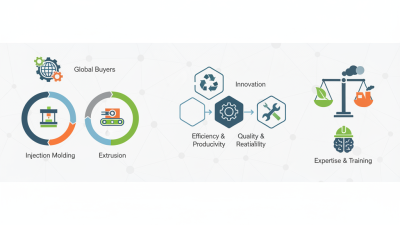
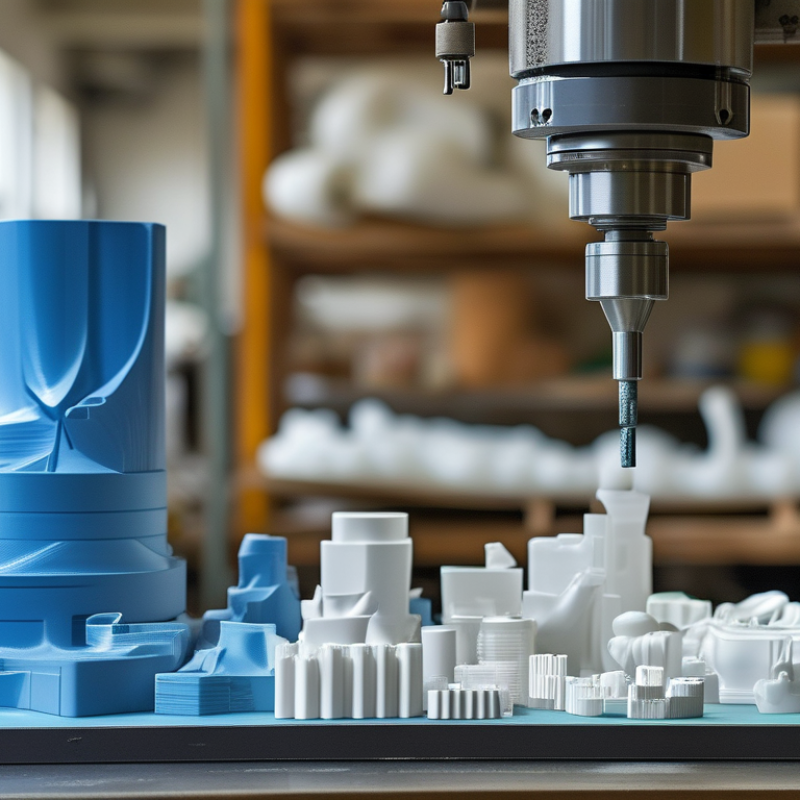
Plastic processing plays a crucial role in modern manufacturing. It allows manufacturers to create versatile products tailored to specific needs. This flexibility supports a wide range of industries, from automotive to consumer goods. The methods used, such as injection molding and extrusion, offer efficiency and precision. However, not all processes are eco-friendly, which raises important questions.
The impact of plastic waste is significant. Many facilities face challenges in managing byproducts and recycling. Organizations must prioritize sustainable practices in their operations. Innovations like biodegradable materials are becoming more common. Yet, the industry often grapples with balancing production speed and environmental responsibility.
Training skilled workers is essential for effective plastic processing. Knowledgeable personnel can minimize errors and improve output quality. Continuous education on evolving technologies is vital. Despite these advancements, manufacturers need to remain vigilant about quality control. A single flaw can have cascading effects throughout a supply chain.
Key Techniques in Plastic Processing: Injection Molding and Beyond
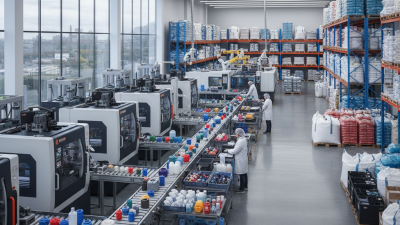
Plastic processing plays a pivotal role in modern manufacturing. Among various techniques, injection molding stands out due to its efficiency and versatility. This method involves injecting molten plastic into a mold to create precise shapes. It's widely used for producing everything from automotive parts to household items. The ability to replicate complex designs with tight tolerances makes it invaluable.
However, the process is not without challenges. Material selection is crucial and can impact the final product’s integrity. The speed of production is impressive, yet it can lead to quality control issues if not monitored properly. There are also concerns about waste and recycling in plastic manufacturing, demanding better solutions for sustainability. While injection molding excels in mass production, exploring alternative methods like 3D printing can offer flexibility for custom projects.
Another important technique is blow molding. This is essential for creating hollow objects, such as bottles. It involves blowing air into a heated plastic tube to form the desired shape. Yet, businesses must continually evaluate the efficiency of these methods. Balancing cost with innovation remains a challenge, as the industry is under constant pressure to improve. Manufacturers must adapt and rethink traditional approaches to stay competitive while being responsible.
Impact of Plastic Processing on Product Design and Innovation
Plastic processing plays a pivotal role in modern product design and innovation. According to a recent industry report, nearly 50% of all manufactured goods now incorporate some form of plastic. This trend is propelled by plastics' versatility and the ability to create intricate designs that traditional materials can't match. With advancements in techniques like injection molding and 3D printing, designers can create complex shapes and customizable features that enhance functionality.
Plastics enable lighter, more durable products. For instance, the automotive sector has leveraged plastic parts to reduce vehicle weight, improving fuel efficiency by up to 10%. Such innovations spark creativity, leading to smarter, more efficient designs. However, reliance on plastic also raises concerns about sustainability and recyclability. The industry must balance creativity with responsibility.
Tip: Consider using bio-based or recycled plastics in your product design. This approach not only aids sustainability but may also appeal to eco-conscious consumers. Remember, innovative design should also include environmental impact evaluations. By integrating sustainability into the design process, manufacturers can foster a more responsible future.
Impact of Plastic Processing on Product Design and Innovation
Environmental Considerations in Plastic Processing Practices
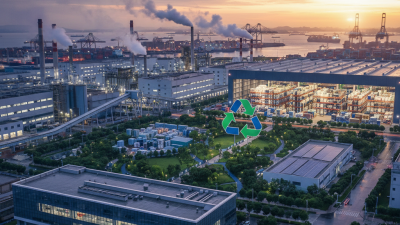
Plastic processing plays a crucial role in modern manufacturing. However, its environmental impacts warrant careful consideration. The production and disposal of plastic materials generate significant waste and pollution. Many manufacturers overlook the sustainability aspects of their processes, leading to long-term ecological damage.
Adopting eco-friendly practices is vital. Companies should assess their lifecycle impacts on the environment. This includes reducing energy consumption during production. Efficient recycling methods can also lessen plastic waste. Many facilities still fail to implement these strategies effectively. This gap reveals a need for better awareness and training among industry professionals.
It is essential to promote biodegradable alternatives. These can significantly reduce reliance on traditional plastics. Yet, many manufacturers hesitate to make the shift due to costs or technical challenges. Encouraging a cultural shift within industries can drive innovation in sustainable practices. Ultimately, addressing these issues is necessary for a healthier planet and a more responsible manufacturing sector.
Future Trends in Plastic Processing for Sustainable Manufacturing
The importance of plastic processing in modern manufacturing is hard to overstate. As the industry evolves, sustainable practices become critical. Future trends indicate a shift toward biodegradable and recyclable plastics. Innovations in processing methods are necessary to meet these new demands. Companies are exploring ways to reduce waste and energy consumption during production. This not only benefits the environment but also enhances efficiency.
Tips: Consider integrating recycled materials into your production lines. This can lower costs while appealing to eco-conscious consumers. Regularly update your machinery to minimize energy usage.
Sustainability also impacts consumer preferences. Today’s buyers are more knowledgeable and selective about materials. There is a growing demand for transparency in the supply chain. Businesses need to adapt their plastic processing techniques accordingly. Keeping up with regulations is vital, as they are constantly changing. However, some organizations struggle to comply, leading to potential setbacks.
Tips: Stay informed about environmental standards in your region. Engage with your local community to gather feedback on your practices. This not only improves your operations but builds trust with your customer base.
Why is Plastic Processing Essential for Modern Manufacturing? - Future Trends in Plastic Processing for Sustainable Manufacturing
| Dimension |
Current Trend |
Impact on Sustainability |
Future Outlook |
| Biodegradable Plastics |
Growing adoption in packaging |
Reduces landfill waste |
Increased production by 30% by 2025 |
| Recycling Technologies |
Advanced sorting and processing |
Lowers resource extraction needs |
Projected to double recycling rates by 2030 |
| 3D Printing |
Integration in manufacturing processes |
Reduces material waste significantly |
Expected growth in custom applications |
| Lightweight Materials |
Focus on automotive and aerospace |
Enhances fuel efficiency |
Continued investment leading to innovation |
| Digital Manufacturing |
Automation and AI integration |
Streamlines processes and reduces waste |
Rapid growth expected in the next decade |