Top Plastic Processing Techniques for Global Buyers?

In the realm of manufacturing, plastic processing stands as a vital component for innovation and efficiency. Global buyers increasingly seek advanced techniques that enhance productivity while minimizing waste. As industries evolve, so do the methods of processing plastic. The choices available today are diverse, each with unique benefits and challenges.

Understanding the top plastic processing techniques is essential for buyers looking to optimize their supply chains. Techniques like injection molding and extrusion play a significant role in shaping the industry. However, mastery of these methods requires expertise and experience. Not every technique is suited for every application, which necessitates careful consideration.

Buyers must also reflect on the reliability of their chosen processes. The complexity of plastic processing can lead to unexpected issues, emphasizing the need for skilled operators and ongoing training. Investing in advanced techniques can yield impressive results, but it also demands a commitment to quality and sustainability. Balancing innovation with practicality remains a challenge for many in the field.

Top Plastic Processing Techniques for Global Buyers?

Overview of Plastic Processing Techniques for Industry Applications

Plastic processing techniques play a crucial role in numerous industries. These methods transform raw materials into finished products. Common techniques include injection molding, extrusion, and blow molding. Each method serves different applications and has its unique benefits.

Injection molding is highly efficient for mass production. It allows manufacturers to create complex shapes with precision. This technique requires expertise and careful design. On the other hand, extrusion is versatile and often used for producing continuous profiles. It's essential to control temperatures and material flow for optimal results. Blow molding focuses on hollow items, such as bottles. This technique can be tricky, as achieving uniform wall thickness is critical.

While these methods are effective, challenges can arise. Closely monitoring the quality of raw materials is essential. Any variation can affect the final product. Furthermore, the choice of technique often depends on specific project requirements. Understanding the limitations of each process enhances decision-making. Over time, the industry may witness shifts in techniques due to technological advancements. Staying updated is vital for professionals involved in plastic processing.

Top Plastic Processing Techniques for Global Buyers

Processing Technique Description Common Applications Material Types
Injection Molding A manufacturing process for producing parts by injecting molten material into a mold. Automotive parts, consumer products, medical devices ABS, Polycarbonate, Nylon
Blow Molding A process to create hollow plastic parts by inflating hot plastic inside a mold. Bottles, containers, fuel tanks Polyethylene, Polypropylene
Extrusion A process that transforms plastic material into a continuous profile. Pipes, sheets, films PVC, PET, Polystyrene
Thermoforming A process that involves heating plastic sheets and forming them into specific shapes. Packaging, medical trays, automotive interiors PVC, PETG, Polystyrene
Rotational Molding A process used to create large, hollow parts by rotating a mold during heating. Kayaks, storage tanks, playground equipment Polyethylene, Nylon

Injection Molding: Advantages and Process Breakdown

Injection molding stands out as a premier technique in plastic processing. This method enables the mass production of intricate parts with high precision. The process involves heating plastic pellets until they melt, then injecting this material into a mold. Cooling follows, solidifying the plastic into its desired shape.

One advantage of injection molding is its efficiency. It can produce thousands of parts in a short time. However, the initial costs of molds can be quite high. This factor may deter some businesses from adopting this method. Additionally, mold design requires expertise. Any errors in the design can lead to significant delays in production.

Quality control is essential throughout the injection molding process. Even small deviations in temperature or pressure can affect the final product. Thus, continuous monitoring is crucial. Businesses must weigh the costs against the benefits. Understanding each step can lead to improvements and better outcomes in production efficiency.

Analysis of Common Injection Molding Materials

Blow Molding: Techniques and Market Relevance

Top Plastic Processing Techniques for Global Buyers?

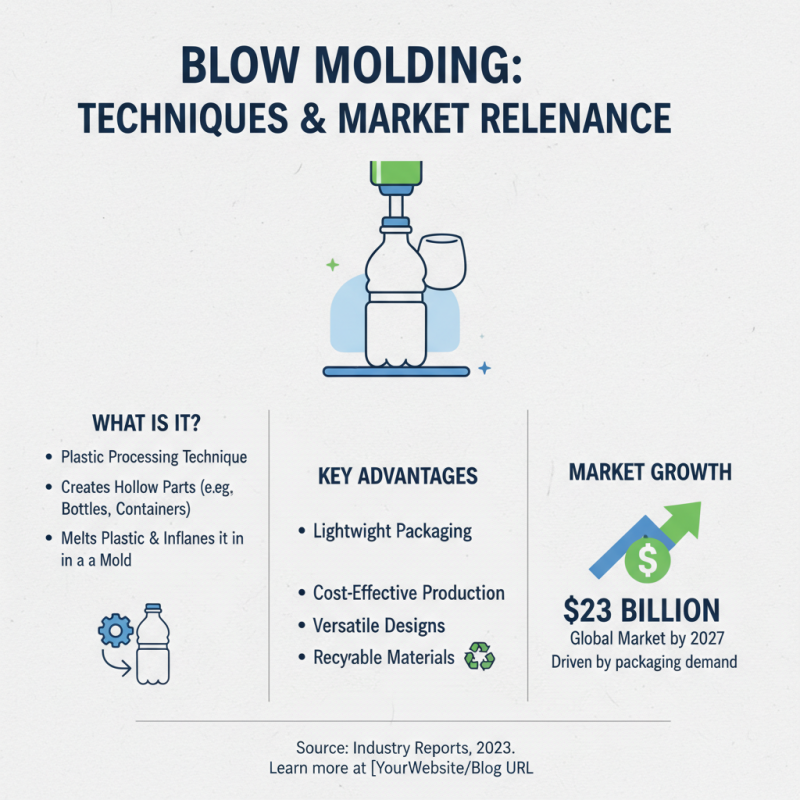
Blow molding stands out as a prominent technique in the plastic processing industry. This method is essential for creating hollow plastic parts, such as containers and bottles. Industry reports indicate that the blow molding market is projected to reach $23 billion by 2027. This growth reflects the increasing demand for lightweight and cost-effective packaging solutions.

The blow molding process involves air inflation of heated plastic to form desired shapes. It has garnered attention due to its efficiency and versatility. Intriguingly, European markets have shown a strong preference for PET bottles, accounting for over 50% of the global blow molding applications. This preference highlights the relevance of the process in meeting consumer demands for sustainability.

Despite its advantages, the blow molding sector faces challenges. Material limitations can affect strength and usability. Moreover, varying regulations in different countries can complicate compliance. Brands must adapt to ensure their products meet safety and environmental standards. Continuous innovation in blow molding techniques could address these issues, paving the way for future advancements.

Extrusion: Methods and Common Applications

Extrusion is a vital plastic processing technique widely used in various industries. It involves melting plastic pellets and forcing them through a shaped die. This process creates continuous profiles like pipes, sheets, and films. According to a report by Smithers Pira, the global plastic extrusion market is projected to reach $50 billion by 2026, driven by the demand for lightweight materials and efficient production methods.

One key application of extrusion is in the packaging industry. The creation of flexible film used for food packaging relies heavily on this method. A study by the Plastics Industry Association found that flexible packaging, often produced through extrusion, is projected to grow at a rate of 4.7% annually. This highlights the increasing demand for sustainable and innovative packaging solutions.

However, the industry faces challenges, such as maintaining product quality and managing costs. Extrusion also plays a critical role in construction with its application in making PVC pipes and profiles. These materials are essential for plumbing and electrical systems. Yet, quality control remains an issue. Variations in raw materials can impact product consistency. As the market evolves, extrusion technology must adapt to meet changing standards and expectations while addressing these challenges.

Thermoforming: Processes and Benefits for Product Design

Top Plastic Processing Techniques for Global Buyers?

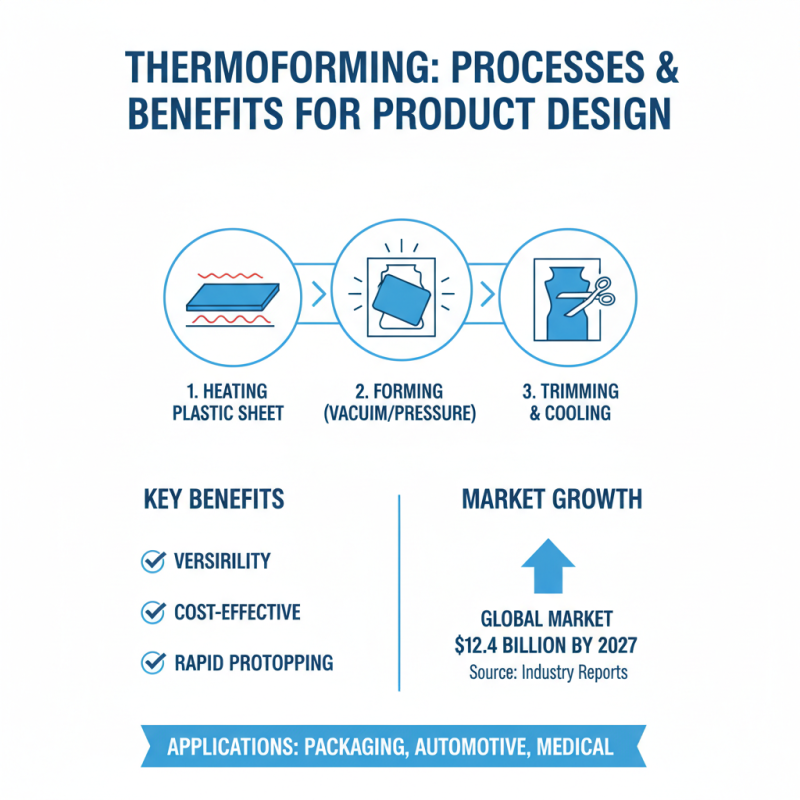
Thermoforming is a widely adopted plastic processing technique. It offers various benefits for product design. According to recent industry reports, the global thermoforming market is expected to reach $12.4 billion by 2027. This growth highlights its significance in packaging and product manufacturing.

The process involves heating a plastic sheet and forming it over a mold. This technique allows for intricate shapes and designs. It is ideal for short production runs, reducing costs significantly. Research shows that thermoforming can lower material waste by up to 30%. This efficiency appeals to manufacturers aiming for sustainability.

Tips for effective thermoforming:
1. Use the right material thickness. Too thick can lead to warping; too thin may cause tearing.
2. Ensure proper mold design. Detailed molds enhance the final product's quality.
3. Monitor temperature closely. Inconsistent heating can result in defects.

While thermoforming provides efficiency, challenges exist. The need for precise temperature control is crucial. A slight error can ruin an entire batch. Manufacturers must invest in quality assurance processes to minimize these risks.