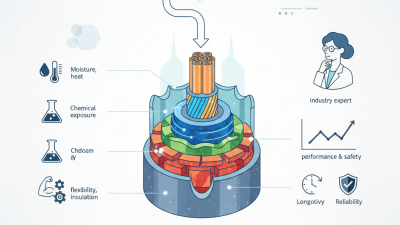
7 Best TPE Compound Manufacturers for Global Buyers?
Choosing a reliable tpe compound manufacturer can shape product quality, production stability, and long-term purchasing costs. For global buyers, the decision involves more than comparing prices. It requires examining material performance, factory experience, technical support, and supply consistency.
This guide reviews seven manufacturers serving different markets and application needs. Their capabilities may include automotive parts, medical components, consumer products, electrical housings, and flexible seals. Each supplier should be assessed against practical details, such as hardness range, color consistency, melt flow, and batch traceability. Small differences matter.
A strong manufacturer should provide clear technical data sheets and realistic processing guidance. Buyers should also confirm testing methods, quality systems, and regulatory documentation for the destination market. ISO certification can support confidence, but it does not replace independent evaluation. Samples still matter.
Test the compound.
A good laboratory sample may not reflect full-scale production. That limitation deserves attention. Buyers should request production samples, packaging details, lead times, and complaint-handling procedures before signing a long-term agreement. Communication quality is another useful signal, especially when specifications change across regions.
The seven companies discussed here are not identical, and no single supplier fits every project. Some may offer broader customization, while others may perform better in volume production or specialized applications. This comparison aims to provide a practical starting point for due diligence. Readers should verify current certifications, capacity, pricing, and export experience directly with each manufacturer. Supplier information can change. That is easy to overlook.
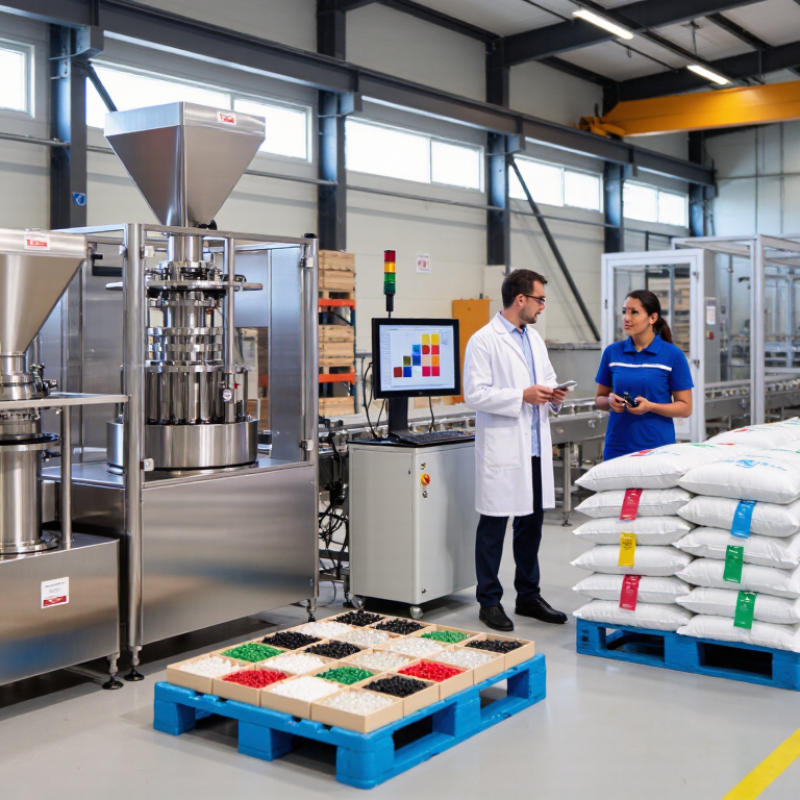
What TPE Compounds Are and Why Global Buyers Choose Them
TPE compounds combine elastic performance with thermoplastic processing. They can stretch like rubber, yet soften when heated. Manufacturers commonly use them in seals, grips, flexible tubing, and protective housings.
A 2024 Grand View Research assessment valued the global thermoplastic elastomers market at more than USD 28 billion. It also projected strong growth through 2030. The demand is practical. TPE compounds support injection molding, extrusion, and overmolding with shorter production cycles. They can reduce assembly steps and material waste. That matters to international buyers managing transport, labor, and tooling costs.
Material selection still requires care. A soft compound may feel excellent in a sample, but fail after heat, oil, or repeated flexing. Buyers should request hardness data, tensile strength, compression set, and aging results. Testing against recognized ASTM or ISO methods improves comparison between suppliers. MarketsandMarkets has identified automotive, healthcare, consumer goods, and construction as major application areas for TPE demand. However, market forecasts are not guarantees. Regional regulations, recycled content targets, and shipping conditions can change purchasing decisions. Experienced buyers usually confirm batch consistency, technical support, and production capacity before approving a compound. Cost alone is a weak filter.
Seven Leading TPE Compound Manufacturers for Global Buyers
Seven Leading TPE Compound Manufacturers for Global Buyers
Global buyers often evaluate seven leading TPE compound manufacturers through practical production evidence. One may specialize in automotive seals and soft-touch interiors. Another may focus on medical components, where cleanliness and batch control matter. A third may develop food-contact grades with documented testing. The remaining specialists often serve consumer products, electrical parts, industrial grips, or recycled-content applications. Each manufacturer should show stable hardness, tensile strength, compression set, and color consistency. Samples are useful, but one sample proves little.
Look for manufacturers with technical laboratories, controlled mixing lines, and traceable raw materials. Ask for technical data sheets, safety documents, and recent quality records. Confirm whether the supplier can maintain performance across different production lots. Processing support also matters. A skilled compounder can adjust melt flow, bonding, and surface feel for injection molding or extrusion. Still, no supplier is perfect. Some data may be outdated. I would verify every critical claim through independent testing and a pilot run.
Tips: Request samples from at least three candidates. Test them under real temperature and load conditions. Check packaging, lead times, and minimum order quantities. Discuss color matching early. A low price can hide higher scrap rates. Also, ask how rejected batches are handled, because reliable communication matters when production becomes urgent.
Comparing Quality, Customization, Compliance, and Supply Capacity
Choosing among seven leading TPE compound manufacturers requires more than comparing price lists. Quality begins with stable hardness, tensile strength, compression set, and color control. A 2024 Grand View Research assessment forecasts strong TPE market growth through 2030, driven by automotive, medical, and consumer applications. That growth increases the need for repeatable production, not just attractive samples.
Customization separates capable suppliers from traders. Experienced compounders should adjust polymer grades, fillers, additives, and surface feel for each application. Ask for batch-to-batch data, processing temperatures, and aging results. Compliance also matters. Suppliers should provide traceability and test documentation for relevant REACH, RoHS, food-contact, or medical requirements. Independent laboratory verification adds credibility, although paperwork alone cannot prove factory discipline. Audit the production site when possible. A clean warehouse and clear lot labeling reveal practical reliability.
Tips: Request three production samples, not one. Compare hardness, color, odor, and shrinkage after processing. Review at least twelve months of delivery records. Check minimum order quantities, backup raw-material sources, and emergency capacity. Industry reports often emphasize demand growth, but they rarely show how a supplier handles a delayed additive or sudden design change. That is where real experience appears. I would also score technical response time, because a fast quotation can hide weak engineering support. No supplier is perfect. Allow room for testing, correction, and uncomfortable questions.
7 Best TPE Compound Manufacturers for Global Buyers
Comparative buyer-screening index: quality, customization, compliance, and supply capacity
Scores are normalized on a 0–100 scale for supplier prequalification. Quality reflects consistency and technical performance; customization covers formulation and processing support; compliance covers documentation and regulatory readiness; supply capacity reflects scalability, production continuity, and international delivery capability.
How to Choose the Right TPE Compound Supplier for Your Needs
A dependable TPE compound supplier should fit your process, not merely offer an attractive catalog. Review hardness, tensile strength, elongation, compression set, melt flow, and operating temperature. These values should match your product’s actual working conditions. A flexible seal needs different performance from a soft-touch consumer grip. Ask for technical datasheets, recent certificates, and batch traceability records. Clear documentation reflects stronger process control.
Supplier evaluation should also include practical manufacturing support. Request sample pellets for injection molding or extrusion trials. Check surface finish, cycle time, color consistency, odor, and demolding behavior. Small differences can create expensive production problems.
Discuss minimum order quantities, lead times, packaging, storage limits, and shipping protection. For international purchasing, confirm product classification and destination-market compliance documents. Do not rely on an old certificate.
A factory visit is useful when possible, but it cannot replace testing. Review quality procedures, laboratory equipment, inspection frequency, and corrective-action records. Ask how the supplier handles a failed batch. The answer matters. Price deserves attention, yet the cheapest compound may increase scrap or tool cleaning.
In my experience, a promising sample can still disappoint during continuous production. Run a pilot batch under normal conditions and compare results against agreed specifications. Leave room for honest questions, because supplier claims and production reality are not always identical.