What is Wire Mesh Welding Machine and How It Works?
In the world of construction and manufacturing, the efficiency of production processes is paramount. The Wire Mesh Welding Machine stands out as an essential innovation in this domain. According to Dr. Emily Smith, a leading expert in welding technology, "The Wire Mesh Welding Machine revolutionizes how we approach mesh fabrication." This machine combines speed and precision, making it invaluable in producing wire mesh for various applications.
As industries evolve, the demand for reliable and effective solutions grows. The Wire Mesh Welding Machine addresses this need, allowing for automated and consistent welding. This innovation reduces manual labor and enhances product quality. However, challenges remain. Operators must be trained to maximize the machine's potential fully. Understanding its functions can lead to better outcomes, but many still overlook its complexities.
Investing in a Wire Mesh Welding Machine requires careful consideration. Companies benefit from improved efficiency, but they must also reflect on maintenance needs and training resources. Embracing this technology is not just about purchasing equipment; it’s about enhancing processes while ensuring quality and safety.
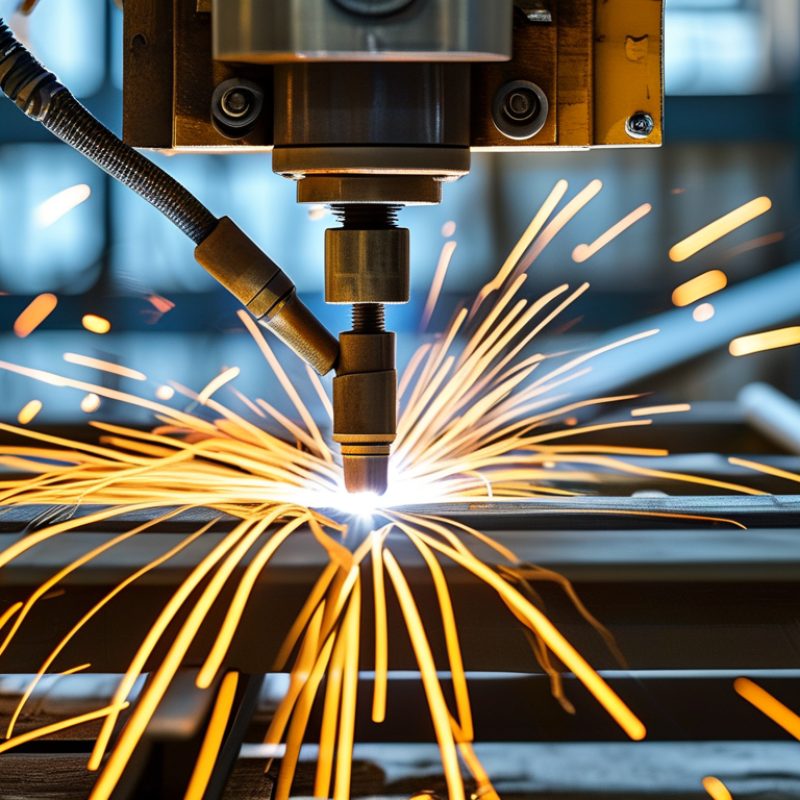
What is a Wire Mesh Welding Machine?
A wire mesh welding machine is an advanced tool used in the production of wire mesh. It combines automation and precision to create high-quality welded mesh products. This equipment is especially useful in construction, agriculture, and fencing industries. The machine works by intersecting two sets of wires at right angles and fusing them together through electric resistance.
The process of creating wire mesh begins with feeding the wires into the machine. The device measures and cuts the wires accurately. A welding head then applies electric current at the joints, creating strong bonds. Each weld point is crucial for the overall strength of the mesh. Despite its efficiency, achieving uniform welds can be challenging. Variations in wire quality and machine calibration may lead to inconsistencies. Regular maintenance and adjustments are necessary to ensure optimal performance.
Operators must have a solid understanding of both the machine and the materials used. This knowledge helps in troubleshooting and enhancing productivity. Training is essential, as inexperienced operators may overlook small details. Mastery of wire mesh welding can significantly impact construction projects, emphasizing the role of skilled labor in this domain.
Key Components of a Wire Mesh Welding Machine
A wire mesh welding machine is a crucial piece of equipment in the manufacturing sector. It is designed to create strong, durable wire mesh products by joining together wires at specific intervals. Understanding the key components of this machine helps in grasping its functionality.
The primary component is the welding transformer. This device generates the necessary heat to fuse the wires together. It is vital for consistent welding quality. Another essential part is the electrode. This component applies pressure during the welding process, ensuring a solid bond. Without proper pressure, the welds may not hold.
Additionally, the mesh feeding system plays a pivotal role. It controls the movement of wires, ensuring they are fed accurately into the welding area. An automatic control system is also important, as it aids in monitoring the entire process. An operator must understand how to adjust these settings for optimal performance. Lastly, maintenance of these components is often overlooked. Neglecting regular checks can lead to operational issues and reduce product quality.
Performance Metrics of Wire Mesh Welding Machines
This bar chart illustrates the performance metrics of wire mesh welding machines, showcasing aspects like speed, power consumption, weld quality, and maintenance frequency. These metrics are crucial for evaluating the efficiency and effectiveness of the machines in various operational contexts.
How the Wire Mesh Welding Process Works
The wire mesh welding process plays a crucial role in modern manufacturing. It involves the use of a wire mesh welding machine that combines multiple wires to form a sturdy mesh. This machinery utilizes electric resistance to generate heat, melting the wire ends together. Accurate timing and pressure ensure strong welds. According to industry reports, the demand for welded wire products is projected to grow at 6.5% annually, driven by construction and agriculture.
Key steps include feeding wire into the machine and adjusting the settings. Operators must monitor the tension, spacing, and alignment carefully. Any deviation can lead to defects, affecting product quality. Effective training programs have been shown to reduce errors, enhancing overall production efficiency. Many companies now implement regular maintenance checks, which are essential for machine longevity and reliability.
Tips: Ensure all safety measures are followed during operation. Periodic quality audits can catch issues early. Engage with skilled operators to build expertise within your team. Investing in training can lead to a significant reduction in waste and rework.
What is Wire Mesh Welding Machine and How It Works? - How the Wire Mesh Welding Process Works
| Feature | Description | Application |
| Welding Technology | Electric resistance welding | Used in fencing, construction, and reinforcement. |
| Wire Diameter | Ranges from 1.0 mm to 5.0 mm | Customizable for various structural applications. |
| Mesh Size | Typically between 25 mm to 200 mm | Used in agriculture and industrial sectors. |
| Production Capacity | Can produce up to 2000 square meters per day | High-volume production for commercial demands. |
| Power Supply | Requires 380V/50Hz or customized voltage | Integration into various manufacturing environments. |
| Control System | PLC-based automation for precision | Ensures consistent quality and efficiency. |
Applications of Wire Mesh Welding Machines
Wire mesh welding machines are crucial in various industries. Their applications range widely, reflecting their versatility and efficiency. In construction, wire mesh strengthens concrete structures, ensuring durability and longevity. According to industry reports, over 60% of reinforced concrete applications rely on wire mesh. This underscores its importance in the construction sector.
In agriculture, wire mesh is used to create fencing and protective enclosures. These setups help protect crops from wildlife and pests. The global agricultural fencing market, valued at approximately $8 billion, shows a significant demand for wire mesh solutions. Additionally, in the automotive industry, wire mesh serves in filtration systems, enhancing performance and safety. Proper filtration can improve the lifespan of automotive components considerably.
Tips: When selecting a wire mesh welding machine, consider the machine's capacity and speed. Higher capacity machines can boost productivity but may require greater investment. Regular maintenance is also essential for ensuring optimal performance. Be wary of choosing options that seem too cheap, as they may compromise quality. Investing in a reliable machine pays off in the long run.
Benefits of Using Wire Mesh Welding Technology
Wire mesh welding technology offers various benefits that enhance the efficiency of construction and manufacturing processes. One major advantage is the speed of production. These machines can create wire mesh in large quantities, reducing labor costs significantly. Additionally, the quality of the welds is consistent, leading to stronger and more reliable products. When mesh is uniformly welded, it can withstand greater loads, making it the perfect choice for construction.
Another benefit is versatility. Wire mesh welding machines can be configured for different mesh sizes and types. Industries can produce customized solutions without investing in multiple machines. This adaptability allows businesses to meet specific client needs swiftly. However, it’s essential to consider the initial investment. High-quality equipment may have a steep purchase price. Companies must evaluate their production needs carefully to ensure a worthwhile investment.
Finally, wire mesh welding improves efficiency in various applications, from fencing to reinforcement in concrete structures. This technology simplifies the production line, reducing the chances of human error. Yet, operators need training to maximize the machine’s capabilities. Understanding machine maintenance is also critical to prevent downtime. Balancing between advanced technology and skill development is a challenge many manufacturers face.