
An Engine Mount Cushion may look like a small rubber component, yet it carries a demanding responsibility. It helps support the engine while limiting vibration, movement, and impact between the powertrain and vehicle frame. During acceleration, braking, or gear changes, the engine produces strong twisting forces. The cushion absorbs part of that stress before it reaches the cabin.
You can often notice its condition through practical signs. A worn cushion may cause excessive shaking at idle, a dull clunk during shifting, or visible engine movement under the hood. Some drivers also feel sharper vibrations through the steering wheel or floor. These symptoms can resemble transmission or exhaust problems. Careful inspection matters. Mechanics usually check rubber cracking, separation, fluid leakage, and abnormal mount movement, then compare their findings with manufacturer specifications.
A reliable Engine Mount Cushion should balance firmness with controlled flexibility. If it is too soft, the engine may move excessively. If it is too hard, vibration can travel directly into the cabin. Material quality, engine weight, driving conditions, and installation accuracy all influence service life. That assumption is incomplete. A damaged mount does not always create immediate danger, but ignoring it can allow related parts to wear faster. A short inspection may reveal more than a loud noise. Proper diagnosis remains essential, because replacing the wrong mount wastes money and leaves the original problem unresolved. Even experienced technicians can misjudge a fault without checking the entire mounting system.
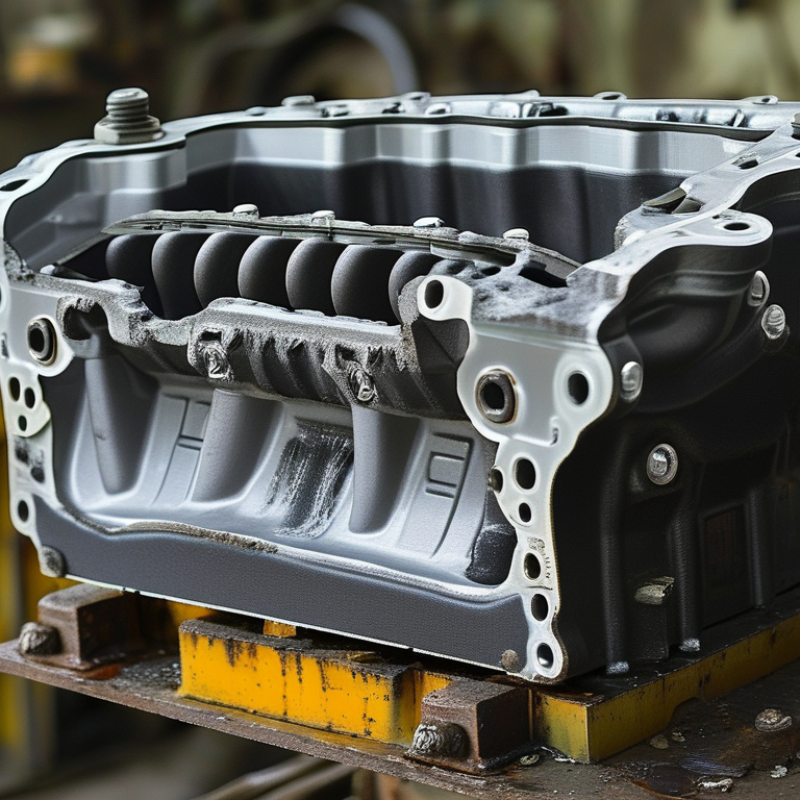
An engine mount cushion is the flexible part that connects an engine mount to the vehicle’s frame. It usually contains rubber or another engineered elastomer. Its job is to absorb engine vibration and limit unwanted movement.
It works quietly.
When the engine starts, combustion creates repeated pulses. The cushion softens these forces before they reach the cabin, body, and drivetrain. It also helps keep the engine aligned during acceleration, braking, and gear changes. Without enough flexibility, passengers may feel harsh shaking, while nearby parts can face extra stress.
From practical inspection, a damaged cushion often shows cracks, tearing, hardening, or separation from its metal housing. Oil, heat, and age can speed up this damage. A collapsed cushion may cause clunks when shifting or a noticeable engine tilt. However, these symptoms can come from other faults too. A rough idle, for example, may imitate a mount problem. Inspection is not always clear-cut.
A reliable check includes viewing the cushion, comparing engine movement, and checking nearby components. Excessive movement under controlled testing deserves attention. The replacement part must match the vehicle’s load and mounting design. A cushion that feels firm is not automatically better. Too much stiffness can transmit vibration into the cabin. Too much softness can allow unsafe movement. Even experienced technicians can misjudge a borderline case, so a second inspection may prevent an unnecessary repair.
An engine mount cushion is the flexible connection between the engine and vehicle frame. It supports engine weight while controlling vibration and movement. When combustion forces shake the engine, the cushion flexes instead of passing every pulse into the cabin. Most cushions use shaped rubber around a metal core. Some also contain hydraulic fluid. Rubber absorbs movement, while fluid travels through small internal passages. This slows sudden motion and changes part of the vibration into heat. The result is less noise, smoother operation, and better engine alignment.
During acceleration, engine torque tries to twist the powertrain. The cushion resists this rotation without holding the engine completely rigid. At idle, it softens small, rapid pulses. During braking or cornering, it manages larger shifts. Engineers balance comfort, durability, and control when choosing cushion stiffness. In service inspections, cracked rubber, separated layers, fluid leakage, or excessive engine movement deserve attention. A clunk during gear selection may be a clue, not proof. Other suspension or exhaust parts can create similar sounds. No cushion removes every vibration. That limitation matters. A careful technician checks the symptom, mount condition, and engine movement together, using safe inspection procedures.
| Data Dimension | How the Engine Mount Cushion Works | Why It Is Important | Typical Engineering Information |
|---|---|---|---|
| Vibration isolation | The elastomer cushion flexes when the engine generates vibration, reducing the amount of motion transferred to the vehicle structure. | It helps improve passenger comfort and reduces vibration-related noise inside the cabin. | Isolation performance depends on the cushion’s stiffness, damping, engine speed, and the direction of the vibration. |
| Engine support | The cushion supports the static weight of the engine and transmission while allowing controlled movement. | Correct support keeps the powertrain positioned properly and helps maintain alignment with connected components. | Mount cushions are designed for both vertical loads from engine weight and dynamic loads caused by acceleration, braking, and road impacts. |
| Torque reaction control | When engine torque changes, the powertrain tends to rotate. The cushion compresses or shears to limit this rotation. | Controlled movement protects exhaust joints, hoses, wiring, driveshafts, and other nearby components from excessive strain. | Torque movement is commonly controlled through a combination of mount position, rubber geometry, and directional stiffness. |
| Material behavior | Most passive cushions use an elastomer bonded to metal plates or sleeves. The elastomer provides flexibility and damping. | The bonded construction allows the mount to carry loads while isolating vibration without requiring lubrication. | Common elastomer choices include natural rubber and synthetic rubber compounds; the usable temperature and chemical-resistance range depends on the formulation. |
| Damping | Internal friction within the elastomer converts part of the vibration energy into a small amount of heat. | Damping reduces resonance and limits repeated oscillation after sudden acceleration, gear changes, or road impacts. | Rubber damping is frequency- and temperature-dependent, so isolation performance can change under different operating conditions. |
| Noise, vibration, and harshness (NVH) | The cushion acts as a mechanical filter between the engine and the vehicle body. | A properly designed mount can reduce booming noise, cabin shake, and harsh impacts while preserving adequate powertrain control. | Very soft mounts generally provide better isolation at some frequencies, while stiffer mounts generally provide better positional control. |
| Failure indicators | Cracks, tears, permanent deformation, separation from the metal, or fluid leakage in a hydraulic mount can reduce the cushion’s effectiveness. | A damaged mount may allow excessive engine movement and increase vibration, noise, or stress on connected parts. | Common symptoms include clunking during acceleration, increased idle vibration, visible engine movement, and uneven mount height. |
| Hydraulic cushion operation | A hydraulic mount adds a fluid-filled chamber and passages. Fluid movement creates additional damping, especially during larger or slower engine motions. | It can provide a better balance between idle comfort and control during acceleration than a simple rubber cushion. | Hydraulic mounts are more complex and may lose damping performance if the chamber or seal develops a leak. |
| Service life factors | The cushion is repeatedly exposed to compression, shear, heat, oil contamination, vibration, and road shock. | These conditions can gradually reduce elasticity and bonding strength, affecting both comfort and powertrain stability. | Service life varies with temperature, driving conditions, engine movement, fluid exposure, installation quality, and the mount design. |
| Design balance | Engineers tune the cushion’s stiffness and damping for different directions and operating conditions. | The design must isolate vibration without allowing excessive movement that could damage surrounding components. | A mount is not intended to be as soft as possible; its performance is a compromise between comfort, durability, control, and safety. |
An engine mount cushion is more than a rubber spacer. It supports the engine and transmission while controlling movement during acceleration, braking, and cornering. Its layered rubber or hydraulic structure absorbs vibration before it reaches the cabin. It also reduces harsh contact between metal components. That contact matters.
The U.S. Department of Energy’s 2023 Vehicle Technologies Office report estimates that a 10% vehicle mass reduction can improve fuel economy by 6–8%. Lighter powertrain brackets help achieve that target, but the mount cushion must still maintain precise stiffness. Too soft, and the engine may rock excessively. Too hard, and passengers may feel a sharp tremor through the floor.
The cushion also protects alignment. It helps keep exhaust joints, driveshaft angles, wiring, and coolant connections within safe movement limits. SAE NVH test practices measure vibration across operating speeds, showing why mount performance cannot be judged only at idle. A worn cushion may look acceptable, yet fail under torque load. Small cracks, fluid leakage, or collapsed height deserve attention. The EPA’s 2023 Automotive Trends Report recorded average new-vehicle fuel economy of 26.4 mpg for the 2022 model year, making every avoidable mechanical loss more relevant. In practice, mount design is a compromise. Engineers still refine it.
Why Is an Engine Mount Cushion Important?
What Happens When an Engine Mount Cushion Fails?
An engine mount cushion isolates vibration between the engine and the vehicle frame. When it fails, the cabin may feel an unfamiliar shake at idle. The steering wheel can tremble. A dull knock may appear during acceleration, braking, or gear changes. The engine might also shift visibly when the throttle opens.
That movement is not harmless. It can strain exhaust joints, coolant hoses, wiring, and transmission connections. In severe cases, the powertrain may contact nearby components. A 2022 U.S. Department of Transportation vehicle inspection report shows that vibration and noise complaints often require hands-on component checks, not visual guesses alone. That matters here. A torn cushion can look acceptable from above.
Industry testing adds useful context. ISO 20816-1:2016 uses vibration velocity bands, including 2.8 mm/s RMS as a reference boundary for some machinery classes. This standard does not provide a direct pass-or-fail limit for passenger-car mounts. Still, rising vibration readings can support a diagnosis. Mechanics should compare readings with vehicle specifications and inspect rubber cracks, fluid leakage, bolt movement, and mount separation.
A small tremor is easy to dismiss. That judgment can be wrong.
Replacement timing depends on damage, mileage, heat exposure, and driving conditions. Do not support the engine with improvised materials. A qualified technician should secure the powertrain before removing any mount fasteners.
The engine mount cushion absorbs engine vibration, limits unwanted movement, and helps protect the drivetrain and vehicle structure. When the cushion deteriorates, vibration, noise, and impact loads typically increase.
Relative severity index from 0 to 10, based on commonly observed effects of progressive engine-mount-cushion deterioration. Actual results vary by vehicle design, driving conditions, and failure extent.
An engine mount cushion supports the engine and limits vibration. It also keeps the powertrain correctly aligned. During inspection, park on level ground and let the engine cool. Apply the parking brake firmly. Raise the vehicle only with approved lifting equipment and secure it with stands. Never rely on a jack alone.
Look for torn rubber, deep cracks, loose bolts, or oil-soaked areas. A damaged cushion may allow excessive engine movement during acceleration or gear changes. Use a light to inspect hidden edges. Ask an assistant to start the engine while you observe movement from a safe position. Do not place hands near belts, fans, or hot components. Compare movement with the vehicle’s service specifications, because visual judgment can mislead. Excessive movement needs attention.
Replacement requires supporting the engine with a suitable support fixture before removing the mount fasteners. Remove one cushion at a time when the design allows it. Check nearby brackets for distortion or corrosion. Install the new cushion in its original position, then tighten every fastener to the specified torque. I have seen rushed repairs cause uneven loading and new vibration. Recheck alignment before lowering the engine. Afterward, test the vehicle gently and listen for knocking sounds. A second inspection after a short drive is sensible, although it is sometimes overlooked.
WhatsApp us