Why Is Choosing the Right Coating Material Important?
A coating is more than a colored surface. It can limit corrosion, resist abrasion, and help equipment withstand heat, moisture, or chemicals. Choosing the right Coating Material matters because the wrong film may blister on a damp pipe, peel from poorly prepared steel, or wear through around a busy loading bay. Small choices matter.
The cost of failure can be substantial. NACE International’s 2016 IMPACT study estimated global corrosion costs at $2.5 trillion annually, about 3.4% of global gross domestic product. The study also reported that applying existing corrosion-control practices could potentially reduce those costs by 15% to 35%. That estimate covers corrosion management broadly, not coatings alone. Still, it shows why material selection deserves careful attention.
A sound choice starts with the service conditions: substrate, temperature, exposure, surface preparation, and expected maintenance interval. A coating that performs well indoors may fail quickly beside salt spray or frequent washdowns. Technical data sheets and test results help, but they do not replace inspection of the actual site. In practice, specifications can look cleaner than job-site conditions. That gap deserves attention. Selection also involves trade-offs among durability, application time, repairability, and cost. There is rarely one perfect answer. The useful question is whether a coating system fits the surface, environment, and maintenance plan—and whether its performance claims can be verified.
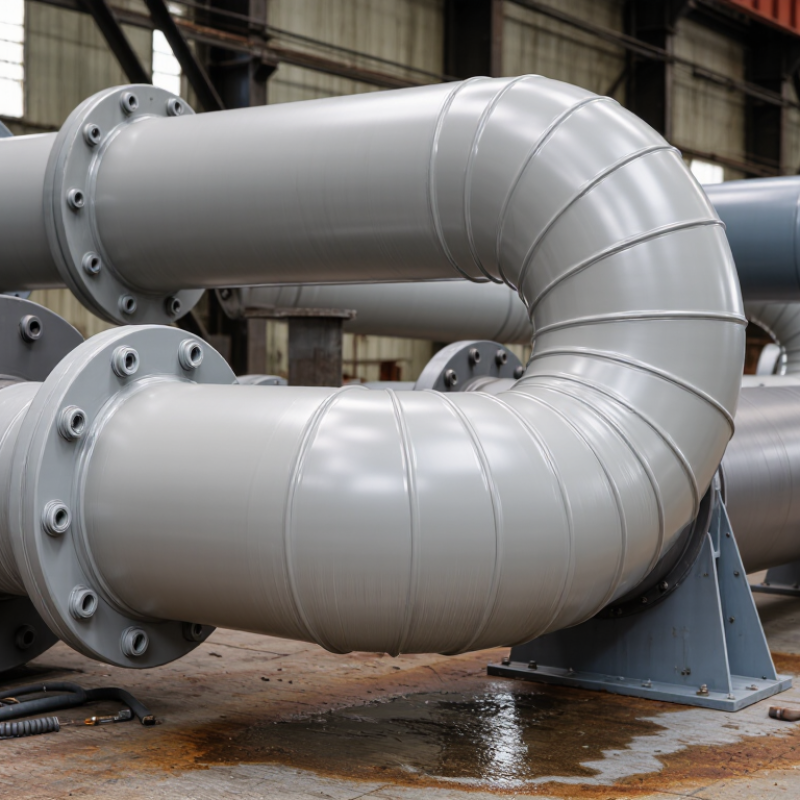
What Coating Materials Are and Which Properties Distinguish Them
A coating material is a formulated liquid or powder that forms a protective or decorative film after application. Its binder holds the film together; pigments add colour or functional properties, while additives adjust flow, curing, or resistance. Water or solvent may carry the ingredients onto a surface. The cured film is what faces rain, sunlight, chemicals, or repeated contact.
Materials differ in how that film performs. Epoxy coatings often provide strong adhesion and chemical resistance, but sunlight can degrade their appearance. Polyurethane coatings generally retain colour and gloss outdoors. Zinc-rich coatings can help protect steel from corrosion, while acrylic coatings often dry quickly and resist weathering. No material wins every contest. Surface preparation, film thickness, temperature, and the substrate can change the result; a coating chosen from a data sheet alone may disappoint.
The NACE IMPACT study estimated corrosion costs at US$2.5 trillion annually, or 3.4% of global GDP, and reported that improved corrosion management could save 15–35% of those costs. Those figures show why material selection deserves careful attention, though they do not promise savings for every project. Compare adhesion, abrasion resistance, chemical exposure limits, UV stability, and curing conditions against the actual service environment. A quiet detail matters: a coating rated for immersion may still fail if applied to damp steel. That is easy to overlook.
How Substrate and Exposure Conditions Guide Coating Selection
A coating is only as dependable as its bond with the surface beneath it. Steel, concrete, and wood each respond differently to moisture, temperature changes, and surface preparation. Even two steel parts may need different systems if one is oily or already corroded. A small test area can reveal poor adhesion before a full application begins. That step is easy to skip.
Substrate condition matters as much as substrate type. Concrete may hold moisture below its surface, while timber can swell and shrink with humidity. These movements may cause cracking or peeling if the coating is too rigid. On metal, salts, rust, or mill scale can interfere with bonding. Cleaning and preparation should match the coating’s technical guidance, not just a general rule of thumb.
Exposure conditions narrow the choice further. A surface near the coast may face salt spray and persistent dampness; outdoor equipment may receive strong sunlight and repeated rain. Floors encounter abrasion, spills, and cleaning agents. Consider how often the surface gets wet, how hot it becomes, and what it contacts during normal use. Still, a neat checklist can miss a detail on site. Record actual conditions, check product data, and ask a qualified coatings professional when compatibility is uncertain.
Why Corrosion Protection Matters: NACE Estimates Costs at 3.4% of Global GDP
Why Is Choosing the Right Coating Material Important?
Why Corrosion Protection Matters: NACE Estimates Costs at 3.4% of Global GDP
A widely cited NACE estimate places the global cost of corrosion at about 3.4% of GDP. This figure represents more than rusted steel. It includes repairs, production delays, replacement parts, and safety risks. It is an estimate, not a precise bill for every industry, but it shows the scale of the problem. Corrosion often starts quietly: moisture collects beneath a pipe support, or salt reaches a scratched tank surface.
The right coating can slow that damage, but no material suits every environment. A coastal structure faces salt spray and strong sun; a processing facility may face heat or chemical splashes. Surface preparation, film thickness, and application conditions matter just as much as the coating choice. Even a high-performing product can fail over oily steel or a sharp, unprotected edge. Details are easy to miss. I would also question any selection based only on the lowest purchase price; maintenance costs can change the calculation.
Tips: Match the coating to the actual exposure, not a generic description. Check surface cleanliness, edges, and dry-film thickness during application. Keep inspection records, and revisit the specification when operating conditions change. Small checks help.
How ISO 12944 Classifies Coating Durability: <7, 7–15, 15–25, and >25 Years
Choosing a coating by its durability category helps match protection to the structure’s exposure and maintenance plan. ISO 12944 groups durability as Low, under 7 years; Medium, 7–15 years; High, 15–25 years; and Very High, over 25 years. These ranges describe the expected time to first major maintenance, not a guaranteed coating lifetime.
That distinction matters. A steel handrail near a sheltered entrance may face very different conditions from a support beam exposed to salt spray, standing water, or industrial fumes. The same coating system can perform differently when surface preparation, film thickness, application quality, and inspection vary. A category alone cannot predict every site’s outcome.
For a remote structure that is costly to access, a higher durability target may reduce disruptive maintenance visits. A sheltered component with easy access might justify a shorter interval. Think about the whole job: corrosion environment, substrate condition, preparation, application, and future access. On site, small details count—a missed edge or thin patch around a weld can become an early failure point. I have seen plans focus on the coating label and overlook those details. That is worth reconsidering. The right category supports planning, but careful specification and workmanship make the protection credible.
Why Is Choosing the Right Coating Material Important? - How ISO 12944 Classifies Coating Durability: <7, 7–15, 15–25, and >25 Years
| ISO 12944 durability category | Durability range | What the range means | Planning considerations | Why coating selection matters |
| Low (L) | Less than 7 years | The expected time to the first major maintenance is under 7 years. | May suit projects where earlier maintenance is acceptable and access or recoating costs are manageable. | A lower initial coating cost can be offset by more frequent inspection, surface preparation, and recoating. |
| Medium (M) | 7–15 years | The expected time to the first major maintenance is between 7 and 15 years. | Consider the planned maintenance cycle, exposure conditions, and ease of access when setting the target. | The complete coating system and its application quality affect whether the target is appropriate for the project. |
| High (H) | 15–25 years | The expected time to the first major maintenance is between 15 and 25 years. | Often relevant where maintenance is disruptive, costly, or difficult to schedule. | Substrate preparation, specified film thickness, application controls, and inspection are especially important to achieving the intended performance. |
| Very High (VH) | More than 25 years | The expected time to the first major maintenance exceeds 25 years. | Assess carefully for long-life assets where major maintenance access or downtime is particularly challenging. | A suitable, tested coating system must be matched to the corrosivity category, substrate, design details, and application conditions. |
Important: ISO 12944 durability is a planning estimate for the time to the first major maintenance, not a warranty period or guaranteed service life. It applies to the coating system in its specified conditions; actual performance depends on corrosivity, surface preparation, design, application, and maintenance.
How to Compare Coatings by Adhesion, Chemical Resistance, and Film Thickness
Why Is Choosing the Right Coating Material Important?
Compare coatings under the conditions they will actually face. Adhesion testing, such as ASTM D3359 cross-cut testing, can reveal whether a film stays attached after cutting and tape removal. For critical assets, pull-off testing under ISO 4624 measures the force needed to detach a coating. Neither test alone predicts years of service. Surface preparation, cure time, and substrate condition matter too.
Chemical resistance should match the specific chemical, concentration, temperature, and exposure time. A coating that tolerates a brief splash may fail during continuous immersion. Film thickness matters as well: measure dry-film thickness with a suitable gauge and compare it with the coating specification. Too little can leave pinholes; too much may cause cracking or slow curing. NACE International’s 2016 IMPACT study estimated corrosion costs at US$2.5 trillion annually, or 3.4% of global GDP, and reported potential savings of 15–35% through better corrosion management. Coating choice is only one part of that work.
Tips: Ask for test results on the same substrate and preparation you plan to use. Record thickness readings across edges, welds, and flat areas. Small gaps matter. I would not treat a passing lab test as a guarantee; real exposure can be less forgiving.