Why Choose a Special Hydraulic Cylinder for Global Buyers?
Global buyers often face demanding conditions: salt air, freezing temperatures, heavy dust, unstable loads, and limited maintenance access. A standard cylinder may function well in a controlled workshop, yet fail earlier in a remote quarry or port. This is where a Special Hydraulic Cylinder becomes a practical engineering choice.
A Special Hydraulic Cylinder can be configured for pressure, stroke length, mounting space, corrosion exposure, and operating temperature. Engineers may select hardened rods, high-performance seals, welded construction, or protective coatings. These details are not decoration. They influence service life, downtime, and the safety of connected equipment.
Hydraulic-control author John Watton has emphasized, “A hydraulic system must be designed as an integrated whole, not as isolated components.” This principle matters to international purchasers. The cylinder must match the pump, valve, fluid, load profile, and control method. Otherwise, even a carefully manufactured component can create inefficient or unpredictable movement.
Real purchasing experience also reveals an uncomfortable truth. The highest initial price does not always mean the best solution. The lowest price rarely tells the full story. Buyers should review material certificates, pressure-test records, seal specifications, dimensional drawings, and supplier quality procedures. They should also confirm spare-part availability and technical support across borders.
A better question is not simply, “Which cylinder costs less?” It is, “Which design will remain dependable here?” That answer requires honest calculations, field knowledge, and some humility. Conditions change. Specifications can be incomplete. A reliable Special Hydraulic Cylinder is therefore not merely a product choice. It is a risk-control decision supported by evidence.
What Is a Special Hydraulic Cylinder?
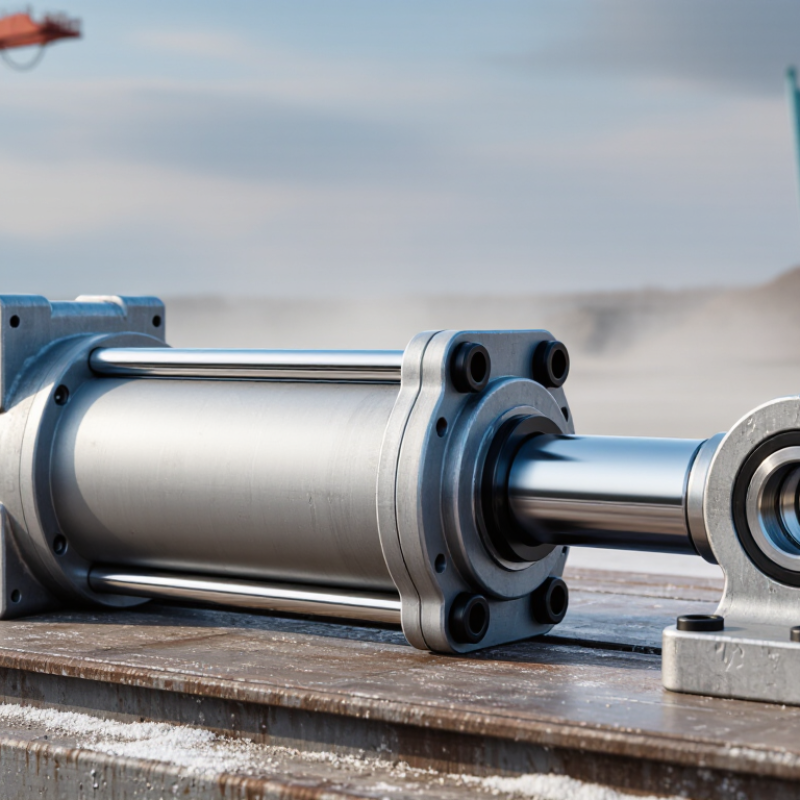
A special hydraulic cylinder is a fluid-powered actuator designed for conditions that standard cylinders cannot handle easily. It may use a custom stroke, mounting pattern, rod diameter, or pressure rating. The term is not perfectly standardized. Its meaning depends on the machine, operating environment, and required performance.
In practical equipment reviews, unusual loads often reveal the need for a special design. A cylinder working near saltwater may require corrosion-resistant materials and protected rod surfaces. A unit inside a hot steel mill may need high-temperature seals and carefully selected hydraulic fluid. Some designs include position sensors, emergency holding features, or side-load protection. These details matter because a small mismatch can cause leakage, uneven movement, or premature wear.
Global buyers should examine drawings, pressure data, sealing materials, and test records before ordering. Dimensional tolerances should match the machine, not merely the catalog description. Local safety rules may also affect the design and documentation. A prototype test under real load is valuable, even when calculations look correct. It can expose vibration, alignment problems, or unexpected heat. That extra review may feel slow, but replacing a failed cylinder is usually slower.
Why Choose a Special Hydraulic Cylinder for Global Buyers?
What Is a Special Hydraulic Cylinder?
A special hydraulic cylinder is engineered for specific requirements such as unusual mounting, long stroke, compact installation space, high load, harsh environments, or synchronized movement. The chart shows the theoretical push force produced by common bore sizes at 250 bar hydraulic pressure. Larger bores generate more force, while the final cylinder design must also consider rod diameter, stroke length, working temperature, sealing, buckling, and mounting conditions.
Calculation basis: theoretical cap-end force = pressure × piston area. Values exclude friction, pressure losses, and rod-side area reduction.
Which Industries Need Custom Hydraulic Cylinder Solutions?
Why Choose a Special Hydraulic Cylinder for Global Buyers?
Custom hydraulic cylinders are essential in industries where standard dimensions fail. Construction equipment often needs compact cylinders for tight spaces and heavy lifting. Agricultural machinery may require corrosion-resistant cylinders that operate through mud, dust, and changing temperatures. Mining equipment demands strong housings, reinforced rods, and reliable sealing under severe pressure. Waste compactors and recycling systems also benefit from customized stroke lengths and mounting designs.
Manufacturing lines need cylinders that match exact cycle speeds and installation limits. Marine equipment may require special coatings for salty environments. In my experience, a small mismatch in rod length can cause uneven movement, seal wear, or costly downtime. A standard cylinder may appear cheaper, but it can create fitting problems later. Engineers should check working pressure, stroke, bore size, load direction, temperature, and mounting space before production. Material selection matters too. Stainless components can improve durability, though they may increase cost and weight. That trade-off deserves careful review.
Tips: Share drawings, load data, duty cycles, and environmental conditions with the supplier. Request dimensional inspections, pressure testing, and material records. Ask how seals perform in your operating temperature range. Do not rely on pressure ratings alone. Installation alignment is often overlooked, and even a well-built cylinder can fail when side loading is present. Reliable suppliers should explain limitations clearly, not promise perfection.
How Are Special Hydraulic Cylinders Designed for Global Use?
Special hydraulic cylinders for global buyers are designed around working conditions, not catalog dimensions. Engineers begin with load, stroke, mounting space, speed, and duty cycles. They also study local temperatures, humidity, dust, water exposure, and transport routes. A cylinder near freezing ports may need different seals from one used in a hot coastal plant.
Material choices matter. Protected rod surfaces resist corrosion, while hardened guides manage side loading and repeated motion. These decisions should follow documented calculations, recognized test methods, and traceable inspection records. Designers also check oil compatibility, pressure variation, and storage conditions before approving production. Small oversights can become expensive failures.
Global use requires adaptable interfaces. Designers may provide metric ports, accepted fittings, and clear mounting tolerances. Drawings should state pressure ratings, temperature limits, seal materials, and replacement details. This helps technicians service equipment without guessing. It also reduces delays when parts cross borders. However, international standards cannot remove every risk. A port thread may appear correct but leak when its sealing method differs. Practical validation is essential. Prototype testing should include pressure cycles, misalignment checks, contamination exposure, and emergency stops. Field feedback deserves equal respect. Operators may load cylinders unevenly or clean them with aggressive chemicals. That assumption can fail. Design reviews should record these findings and improve the next build.
What Performance and Compliance Standards Should Buyers Check?
Why Choose a Special Hydraulic Cylinder for Global Buyers?
Global buyers should examine performance data before comparing prices. A special hydraulic cylinder may operate in mining, marine, construction, or high-cycle production equipment. Each application creates different risks. Check rated pressure, test pressure, stroke length, rod speed, side-load tolerance, and expected cycle life. Ask for measured data, not general promises. Test records should identify the cylinder, date, pressure, and inspection method.
Material traceability matters. Reliable suppliers should provide records for the tube, piston rod, seals, and welds. Surface treatment must match humidity, salt exposure, temperature, and chemical contact. Confirm dimensional tolerances and mounting accuracy. Standards such as ISO 6020/2 or ISO 6022 may support design comparisons, but they do not replace application-specific validation. Small errors here can cause large alignment problems.
Compliance also needs local review. Check whether pressure equipment rules, machinery requirements, electrical controls, or import documentation apply to the complete machine. Request declarations, risk assessments, welding qualifications, and pressure-test evidence where relevant. Certificates alone are not enough. Their scope and validity must match the supplied configuration. I have seen buyers focus heavily on paperwork while overlooking rod buckling and seal compatibility. That approach needs reconsideration. A practical review should include sample inspection, installation feedback, maintenance access, spare-seal availability, and clear warranty limits. Reliability is built through evidence, not confident wording.
How Can Global Buyers Select the Right Manufacturing Partner?
Why Choose a Special Hydraulic Cylinder for Global Buyers?
How Can Global Buyers Select the Right Manufacturing Partner?
Selecting a manufacturing partner requires more than comparing hydraulic cylinder prices. Review engineering experience, production capacity, and quality controls before discussing volume. Ask for drawings, material certificates, dimensional reports, and pressure-test records. Test evidence matters. A reliable supplier should explain rod coating, seal selection, tolerances, and expected service conditions clearly. They should also adapt designs for temperature, load cycles, installation space, and local equipment standards.
Tips: Request a sample or pilot order before signing a long-term agreement. Check whether the factory can maintain the same bore size, mounting dimensions, and surface finish across repeated batches. Confirm packaging details, inspection stages, replacement procedures, and document control. Clear communication is essential when time zones and technical languages differ. A supplier who asks precise questions may be safer than one who promises everything immediately.
In practical sourcing work, a low quotation can hide weak traceability or inconsistent machining. That mistake is expensive. Visit the facility when possible, or request a live production review with dated evidence. Compare actual test procedures, not polished presentations. Also discuss lead times honestly; rushed production may affect sealing performance. No partner is perfect. Still, a manufacturer that admits limitations and proposes corrective actions often deserves closer consideration. Reliability grows through measurable processes, transparent records, and repeated delivery performance.