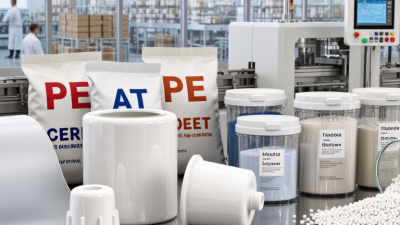
White masterbatch can look simple: white pellets, a measured let-down ratio, and a brighter finished part. In production, the details matter. Titanium dioxide grade, carrier resin, dispersion, moisture control, and processing conditions can all affect opacity, surface appearance, and consistency. A sample that looks excellent under showroom lights may behave differently in a fast-running extrusion line. Small differences show up.
This guide to top white masterbatch manufacturers for global buyers focuses on practical checks, not just catalog claims. It examines product consistency, technical support, application experience, documentation, and the ability to supply dependable batches over time. Buyers should compare samples using their own resin, equipment, and target loading. Ask for data, but test the material on the line. Results can be humbling.
Reliable selection also means asking direct questions: What carrier is used? How is dispersion assessed? Can the supplier explain performance across the intended application? Price matters, of course, but the lowest quote may not reflect the cost of color variation, rejected parts, or production adjustments. One limitation deserves candor: no source was provided for a verifiable quotation from a named white masterbatch expert. Rather than invent an attribution, this introduction leaves that quote out. The comparison should be grounded in evidence buyers can check.

White masterbatch is a concentrated blend of titanium dioxide pigment, carrier resin, and selected additives. It gives plastic products opacity, brightness, and a more consistent white appearance. During manufacturing, it is metered into a base polymer and dispersed through melt processing. Good dispersion matters. Poorly mixed pigment can leave streaks, specks, or uneven color across a molded part or film.
Its role goes beyond appearance. Opacity can help conceal a substrate’s natural color, while the carrier resin should suit the host polymer and processing temperature. Buyers should review pigment loading, dispersion, moisture control, and batch consistency, then test the material on their own line. A sample that looks excellent in a small plaque may behave differently in blown film, thin sheet, or high-speed injection molding. That difference is easy to underestimate. White formulations can also affect stiffness, surface finish, and processing pressure, so color alone is not a complete specification.
Tips: Define the end use before comparing grades. Check whiteness and opacity in the actual part thickness, not only on a data sheet. Record feeding rates and melt conditions during trials. If results vary, investigate both the concentrate and the base resin; the cause is not always obvious. Good notes save time.
Evaluating a white masterbatch manufacturer starts with your finished part, not a catalogue. Define the resin, processing temperature, target opacity, and surface finish before comparing quotes. Ask for titanium dioxide content, carrier-resin details, recommended let-down ratio, and technical data sheets. These figures help, but they do not prove performance in your line. Test a small sample. Check for streaks, specks, plate-out, and changes in cycle time. Record results under production conditions.
Reliable suppliers can explain how they control pigment dispersion and lot-to-lot variation. Request recent certificates of analysis and sample-retention procedures, then compare several batches. Ask how they protect moisture-sensitive grades during storage and transport. Clear answers matter. Vague promises about “high whiteness” deserve follow-up questions, especially when opacity or weathering matters. An unusually low price may reflect different pigment loading or carrier resin, so compare cost per finished kilogram.
Check production capacity, lead times, change-control practices, and how quickly technical staff respond to trial results. A supplier may pass a lab test yet behave differently on a fast extrusion line. That gap is easy to overlook. Keep evaluation notes practical: samples, settings, defects, and agreed specifications. Some judgments remain subjective; whiteness under one light can look different in a warehouse.
Leading white masterbatch manufacturers for global buyers should offer more than a bright, clean-looking pellet. PlasticsEurope’s Plastics – the Fast Facts 2024 reports 413.8 million tonnes of global plastics production in 2023. At that scale, consistent color and processing matter. Buyers should compare pigment concentration, carrier-resin compatibility, dispersion, and recommended letdown ratios. Poor dispersion can leave visible specks or streaks in a thin film. Not just whiteness. Ask for batch traceability, a technical data sheet, and test results relevant to the intended process.
A supplier’s sample is a starting point, not proof of performance. Run a trial on your own line, using the same resin, screw settings, and film thickness planned for production. Record color, pressure, and surface appearance. This makes comparisons more useful than relying on a brochure. It can still miss real-world variation, so repeat the test across more than one batch when consistency is critical. For buyers importing across regions, clarify packaging, lead times, and how technical questions will be handled.
Tips: Request a small trial quantity and agree on a color measurement method before ordering. Keep a reference sample from each approved batch. Ask how the manufacturer controls pigment dispersion and checks lot-to-lot variation; a clear answer is more useful than a broad quality claim.
For global buyers, comparing white masterbatch manufacturers requires more than checking whiteness claims. Ask how each supplier measures opacity, color consistency, and pigment dispersion. Request a sample made with a carrier compatible with your resin and processing conditions. Then run a controlled trial: inspect molded or extruded parts under consistent lighting, and record color variation, surface defects, and filter pressure. Small differences matter.
Compliance should be verified through current, product-specific documents, not broad assurances. Check technical data, safety information, relevant declarations, and batch traceability. Requirements vary by application and destination, so confirm that documents match the grade you plan to purchase. A polished data sheet helps, but it cannot replace clear answers about testing methods. I have seen buyers overlook this distinction.
Tips: Ask for a recent certificate of analysis and a sample from a production batch. Compare the same dosage in your own process. Also discuss normal lead times, minimum order quantities, packaging, and contingency stock. Ask how the supplier handles delayed shipments or out-of-spec batches. A low quoted price can look attractive; still, supply promises are difficult to judge until demand changes. A pilot order may reveal gaps that a sales call misses.
Choosing a white masterbatch manufacturer starts with the finished part, not a sales brochure. A film line may need high opacity and stable dispersion at low let-down ratios. Injection-molded housings may demand consistent color, a clean surface, and reliable flow. Share the resin grade, processing temperature, target whiteness, and end-use conditions. Ask for a technical data sheet and a sample matched to your base polymer. Small trial runs matter. Evaluate streaking, pressure changes, and shade under the lighting used for inspection.
Regional fit affects more than freight cost. Confirm that the manufacturer can supply your destination consistently, provide export documents, and communicate in your working time zone. Ask about lead times, minimum order quantities, packaging, and how formulation changes are recorded. For humid routes, check that bags protect pellets from moisture and handling damage. Request recent batch records and agreed test methods for key properties, such as pigment content and melt flow. A polished certificate is useful, but traceable results are better.
Compare suppliers using the same test conditions, then review performance with operators who run the equipment daily. A formulation that works in a laboratory can behave differently on a fast production line. Not every variation signals poor quality; resin and process settings also matter. Keep initial approval narrow, document what did not work, and agree on a corrective-action contact before scaling orders. Regional service, technical support, and dependable repeat batches may outweigh a small price difference.
| Application | Manufacturer capability to prioritize | Key technical checks | Regional sourcing considerations | Useful qualification evidence |
|---|---|---|---|---|
| Blown film and packaging film | Experience producing well-dispersed white concentrates for the intended film resin and extrusion process. | Carrier-resin compatibility, dispersion, opacity at the intended let-down ratio, film appearance, and processing stability. | For any destination, confirm local packaging and food-contact requirements where relevant. Check delivery routes, lead times, and availability of the required resin-compatible grade. | Technical data sheet, recommended let-down range, sample-film evaluation, and written confirmation of applicable compliance documentation. |
| Cast film and sheet | Capability to support consistent color and dispersion in the buyer’s extrusion line and finished-gauge range. | Surface appearance, dispersion quality, compatibility with the base polymer, and performance under the intended line conditions. | Compare regional supply options against freight cost, replenishment time, and the ability to maintain consistent grade specifications across shipments. | Trial material, agreed color or opacity target, batch documentation, and processing feedback from a production-scale trial. |
| Injection-molded parts | Experience matching the concentrate carrier to the molding resin and the part’s surface and color requirements. | Dispersion, color consistency, surface finish, suitability for the molding process, and effects on the final part’s properties. | Check that the grade and supporting documents are suitable for the product’s destination market and end use; requirements can differ by application and jurisdiction. | Resin compatibility statement, molded sample review, batch traceability information, and relevant test or compliance documents. |
| Blow-molded containers | Capability to supply a concentrate suited to the container resin, molding process, and desired wall appearance. | Dispersion, opacity, color uniformity, processability, and compatibility with any specified product-contact requirements. | For export supply, verify destination-market rules for the container’s intended contents and confirm that documents cover the actual grade and use. | Application-specific technical data, sample-container assessment, traceability details, and applicable food-contact or regulatory documentation when required. |
| Fibers, filaments, and woven products | Experience with the relevant polymer and spinning or fiber-forming process, with close control of dispersion and consistency. | Filtration behavior, dispersion, color uniformity, compatibility with the base polymer, and performance in the intended conversion process. | Assess local technical support, import lead times, and the supplier’s ability to provide consistent lots for repeat production. | Process trial results, agreed product specifications, batch certificates or quality records, and a documented change-control process. |
| Agricultural and industrial film | Capability to formulate for the film resin and the service conditions specified by the buyer. | Dispersion, opacity, film processing, compatibility with other additives, and suitability for the intended outdoor or industrial use. | Confirm destination-specific rules for the product and any required declarations. Consider regional climate and logistics when planning storage and supply. | Application trial, specification sheet, storage guidance, batch traceability, and supporting documents for any stated performance or regulatory requirement. |
Buyer note: Compare suppliers using the same resin, dosage, processing conditions, and test method. Regulatory suitability depends on the destination, product, and end use; request documentation for the specific grade being purchased.
WhatsApp us