
Top 10 Roll Coating Machine Manufacturers in China

China is a major source of industrial coating equipment, with manufacturers serving packaging, building materials, electronics, and other sectors. Their products can differ in working width, coating method, line speed, and drying configuration. A Roll Coating Machine that suits a narrow film line may not handle heavier panels or changing material thickness. The details matter. Even a well-made machine can disappoint if it does not match the production process.

This guide introduces ten Chinese manufacturers and the equipment they offer. It considers practical factors such as product range, customization options, technical documentation, and after-sales support. Buyers should compare machine specifications against their own materials, target coating thickness, and expected output. Ask for clear operating parameters, sample results, and information about installation and spare parts. A showroom visit or production-line reference can help, but neither replaces a careful technical review.

The list is a starting point, not a universal ranking. Company information and product offerings can change, and published specifications may not show how a machine performs with your exact coating formula. Request written details and verify important claims directly with each supplier. Then compare the total fit, including maintenance access, operator training, and response times for support. Some questions may remain. That is worth acknowledging. A thoughtful comparison helps narrow the field and identify a Roll Coating Machine manufacturer whose capabilities fit the real demands of your line.
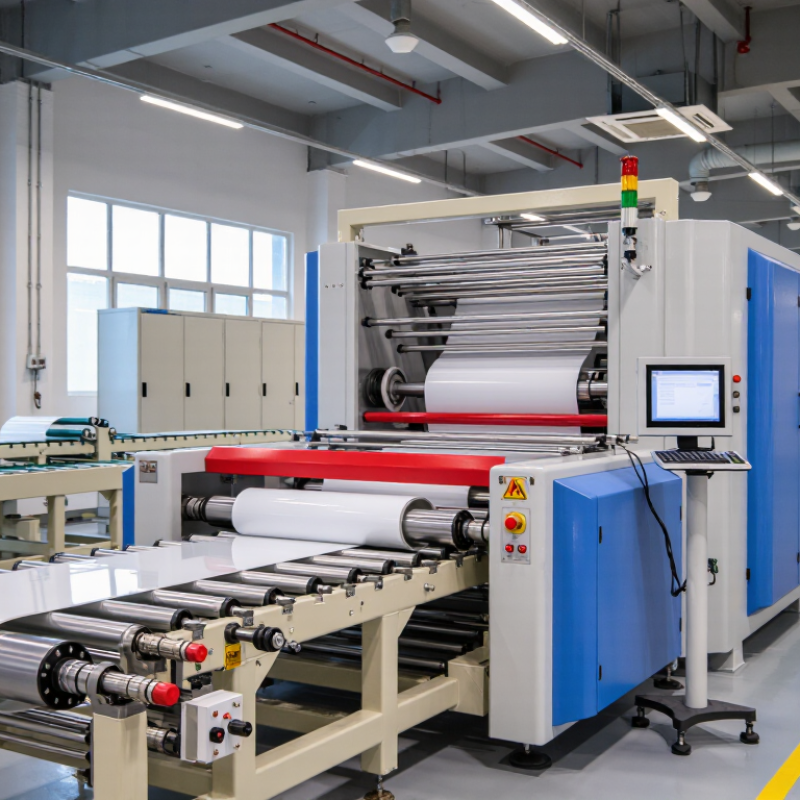
Top 10 Roll Coating Machine Manufacturers in China

What Roll Coating Machines Do and Where They Are Used

Roll coating machines apply a controlled liquid layer to a moving sheet, or web. The web may be paper, plastic film, metal foil, or fabric. Metering rolls regulate the coating thickness, while tension controls help keep the material flat. Drying or curing follows. Small differences matter.

These lines produce adhesive, decorative, protective, and barrier layers for packaging, labels, flooring, and industrial films. Battery manufacturing is another relevant use: electrode materials are coated onto moving metal foil, then dried and inspected. The International Energy Agency’s Global EV Outlook 2024 reports nearly 14 million electric cars sold in 2023. It also estimates EV battery demand reached about 750 GWh, up 40% from 2022. These figures describe downstream demand, not roll-coating machine sales.

Machine selection depends on coating chemistry, web width, target coat weight, and required line speed. Operators check edge coverage, streaks, bubbles, and drying uniformity. A faster line can magnify defects. No single roll arrangement suits every material, and that is easy to underestimate. Testing with the actual coating and substrate is more useful than relying on a catalogue specification alone.

How China’s Roll Coating Machine Industry Is Structured

China’s roll coating machine industry is better understood as a layered supply network than a single category of factories. Some manufacturers design complete roll-to-roll lines, while others specialize in coating heads, unwinding units, drying ovens, or tension-control systems. A buyer comparing ten suppliers may therefore be comparing different capabilities, not equivalent machines.

The production chain often combines in-house engineering with sourced components. A line may use locally made frames and rollers alongside precision sensors, motors, or control equipment from specialist suppliers. Integration matters: uneven web tension can create wrinkles, while poorly matched drying and coating speeds may leave a finish inconsistent across the roll. Small details count.

Manufacturers also differ in how much customization and commissioning support they provide. Some focus on standard configurations for common materials; others adapt equipment to a customer’s width, coating method, or production speed. Ask for measurable acceptance criteria, such as coating uniformity, running speed, and stable operation over a defined trial period. A brochure is not a production test. The industry’s structure can look tidy on paper, but supplier boundaries and service responsibilities are not always clear. That deserves careful checking.

Criteria for Comparing Leading Chinese Manufacturers

Comparing Chinese roll coating machine manufacturers requires more than checking advertised line speed. Start with the coating task: working width, substrate type, target film thickness, and coating material viscosity. Ask whether the machine can hold an even layer across the web, especially near its edges. Small details matter. Request trial data using a material similar to yours, and inspect thickness readings from several points across the coated sheet. A specification sheet alone cannot show how the machine responds to changes in tension or temperature.

Compare the coating head, drying system, drive controls, and tension management as one production line. Ask how operators adjust settings, clean rollers, and detect coating defects during a shift. Request maintenance schedules, spare-part lead times, and examples of installations handling comparable materials and output. Ask for evidence. A factory visit can reveal assembly practices, but it cannot prove years of reliable operation. No scorecard is perfect; even a detailed test may miss changing material batches or operator skill. Note what remains untested, and weigh service support alongside purchase price. A lower price may not include the same training, commissioning, or response time.

Profiles of 10 Roll Coating Machine Manufacturers in China

These ten anonymized profiles compare Chinese roll-coating manufacturers by production focus, rather than by unsupported rankings. A wide-web equipment maker may suit flooring or panel production, where stable tension matters across long rolls. A compact-line builder typically serves workshops with limited floor space. A precision-coating specialist emphasizes adjustable gaps and controlled roller pressure. Check sample runs; catalog figures alone can mislead. A dryer-integrated supplier combines coating and heat-control sections, so buyers should inspect temperature uniformity. A custom-line manufacturer adapts roller width, feeding, and take-up to specific materials.

A packaging-focused producer may prioritize quick changeovers and consistent film handling. A paper-coating supplier needs reliable edge control to limit uneven buildup. A laboratory-scale maker can provide smaller machines for testing formulations before larger investment. A heavy-duty equipment builder may offer reinforced frames for continuous operation; ask for service intervals and wear-part details. An export-oriented manufacturer may provide clearer technical documents, but response quality still varies. Request drawings, coating samples, and a factory acceptance-test plan. Some specifications remain unclear until a real substrate runs through the machine. That deserves scrutiny. Compare warranty terms, installation support, and the availability of replacement rollers before choosing a supplier.

Top 10 Roll Coating Machine Manufacturers in China - Profiles of 10 Roll Coating Machine Manufacturers in China

Manufacturer-specific rankings and specifications cannot be verified from the information provided. To avoid presenting invented company data, the entries below are anonymized research slots; details should be completed only after checking reliable sources.

Profile Company and Brand Headquarters / Factory Location Roll Coating Machine Types Substrate and Application Range Technical Specifications Certifications and Export Markets Verification Status
Profile 01 Not displayed Not verified Not verified Not verified Not verified Not verified Source data required
Profile 02 Not displayed Not verified Not verified Not verified Not verified Not verified Source data required
Profile 03 Not displayed Not verified Not verified Not verified Not verified Not verified Source data required
Profile 04 Not displayed Not verified Not verified Not verified Not verified Not verified Source data required
Profile 05 Not displayed Not verified Not verified Not verified Not verified Not verified Source data required
Profile 06 Not displayed Not verified Not verified Not verified Not verified Not verified Source data required
Profile 07 Not displayed Not verified Not verified Not verified Not verified Not verified Source data required
Profile 08 Not displayed Not verified Not verified Not verified Not verified Not verified Source data required
Profile 09 Not displayed Not verified Not verified Not verified Not verified Not verified Source data required
Profile 10 Not displayed Not verified Not verified Not verified Not verified Not verified Source data required

How to Match Manufacturers with Production Requirements

A roll coating machine should match the product, coating, and planned production rate—not just a target price. Describe the substrate, including its width, thickness, surface condition, and how it behaves under tension. Record coating viscosity, target wet-film thickness, drying needs, and acceptable variation across the web. Small details matter. A coating that works on a stable sample may behave differently on a full-width roll.

Ask manufacturers how they would configure the metering system, roller materials, tension controls, and drying section for your process. Request a trial using your material and coating, with measurements for coating weight, uniformity, and line speed. Ask what happens during changeovers and cleaning; these tasks can quietly reduce usable production time. A polished demonstration is useful, but a written test procedure and clear acceptance criteria are more dependable.

Check whether the manufacturer can provide installation guidance, operator training, spare-part availability, and practical troubleshooting support. Compare quotations by included scope, not headline price: unwinding, rewinding, inspection, and safety features may be priced separately. Speak with users who run similar materials and ask about actual uptime and maintenance intervals. Even careful planning can miss a process constraint, so leave room to adjust the line after commissioning. The first specification may not be perfect.