Choosing the right HDPE compound supplier can affect product strength, processing stability, and delivery performance. Global buyers need more than attractive pricing or polished websites. They need evidence.
This guide reviews seven leading suppliers through practical purchasing criteria. These include resin consistency, melt flow rate, density control, color accuracy, and batch traceability. It also considers production capacity, export experience, technical support, and documented quality systems. A reliable supplier should provide current COAs, testing data, safety documents, and clear packaging details. Small details matter. A damaged 25-kilogram bag can expose material to moisture and contamination before production begins.
The comparison also looks at application fit. Different projects require different HDPE compound properties. Pipe grades may need pressure resistance and long-term durability. Injection molding grades may require predictable flow and short cycle times. Outdoor products often need UV protection and stable pigment dispersion. Buyers should confirm compliance with destination-market requirements before placing an order. Standards and documentation can vary by country.
No supplier is perfect. That matters. A company may offer excellent technical support but longer lead times. Another may provide competitive pricing but limited customization. This guide treats those trade-offs honestly, using supplier information, industry knowledge, and buyer-focused checks. Readers should still request samples, inspect recent test reports, and verify commercial terms independently. A careful shortlist reduces surprises, but it does not replace due diligence.
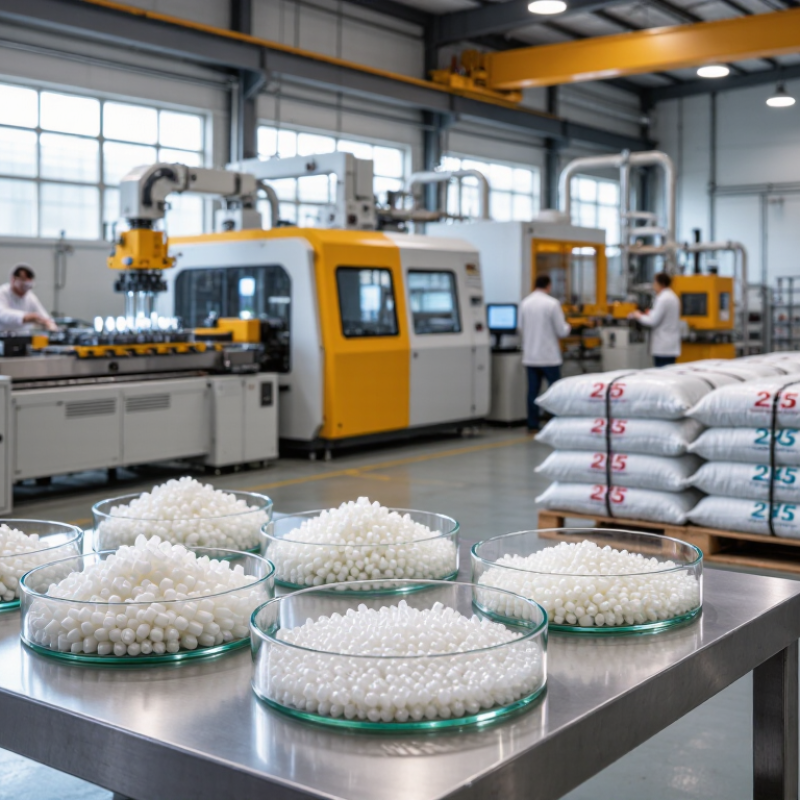
HDPE compound is polyethylene modified with additives, fillers, pigments, or reinforcing materials. These changes improve stiffness, impact strength, UV resistance, or processing behavior. The final material may serve in pipes, containers, automotive parts, or industrial components. Its performance depends on more than the resin name. Melt flow rate, density, moisture, color stability, and additive dispersion all affect production results.
Supplier selection matters because small material differences can create large manufacturing problems. A reliable supplier should provide a clear technical data sheet, batch traceability, and recent test results. Ask for melt flow data, tensile strength, impact performance, and recommended processing temperatures. Samples should be tested on your actual equipment. A compound that performs well in a laboratory may behave differently in a fast extrusion line.
Consistency is the real purchasing test.
From practical sourcing work, I have seen buyers focus too heavily on price. That decision can increase scrap, machine cleaning, and delivery delays. Communication also reveals expertise. Can the supplier explain formulation limits without making vague promises? Can they adjust color or filler levels while maintaining stable performance? These questions matter during scale-up. Still, no supplier is perfect. Specifications may be clear, yet unexpected variation can appear between batches. For this reason, buyers should use incoming inspection, written acceptance criteria, and periodic requalification. A dependable partnership is built through evidence, not confident claims.
Choosing the seven best HDPE compound suppliers requires more than comparing prices. Global buyers should examine technical consistency, production capacity, and documented quality controls. Ask for recent certificates of analysis, safety data sheets, and batch traceability records. These documents should match the material actually shipped.
Request samples from different production batches. Test melt flow rate, density, tensile strength, impact resistance, and color stability. For outdoor applications, check UV performance and carbon black dispersion. A reliable supplier should explain its testing methods and provide clear acceptance limits. Vague answers deserve caution.
Factory experience matters. Review equipment maintenance, laboratory capability, packaging strength, and export handling. A site audit, even by video, can reveal storage problems that brochures never mention. Confirm lead times, minimum order quantities, pallet design, and response procedures for rejected material. Shipping moisture or damaged bags can ruin otherwise suitable compounds.
I have learned that a low quotation may hide inconsistent formulation control. That lesson is easy to ignore. Compare total landed cost, not only the resin price. Check whether the supplier can adjust grades for pipe, film, injection molding, or cable applications without losing traceability. Independent testing is also valuable before a long-term contract. No evaluation is perfect; even a strong audit reflects one production day, not every future shipment.
Global buyers usually compare HDPE compound suppliers by consistency, not catalog size. The strongest group includes seven supplier profiles. An integrated resin producer offers stable feedstock and large-volume capacity. A specialist compounder brings tighter color, mineral, and additive control. A recycled-content producer supports circular projects, while an engineering-focused supplier adapts grades for pipes, crates, caps, or industrial housings. Regional compounders can shorten delivery routes and simplify technical communication. Distributors add local inventory and responsive sampling. Custom formulators solve unusual processing problems. Testing-led manufacturers provide stronger documentation.
Key strengths should be verified through evidence. Ask for melt flow data, density, tensile results, impact performance, and lot-to-lot variation. During a plant visit, examine pellet uniformity, moisture control, bag labeling, and storage conditions. For injection molding, trial the compound on the actual machine, not only on a laboratory press. Record cycle time, screw pressure, surface finish, and rejected-part rate. A dependable supplier explains test methods and keeps samples from each production lot. That detail matters.
Technical support also deserves scrutiny. Can engineers adjust a formulation after field feedback? Do they answer with data, or merely reassurance? Price remains important, but a low quote may hide longer approvals, unstable color, or excessive scrap. I have seen procurement teams overvalue a polished brochure and undervalue shipment discipline. That mistake is easy to repeat. Buyers should compare delivered cost, minimum order quantity, lead time, and replacement support across all seven profiles. Still, no ranking fits every application. A supplier excellent for high-volume pipe compounds may lack the flexibility needed for small custom runs. Recheck assumptions after the first trial.
Selecting an HDPE compound supplier requires more than comparing prices and color samples. Buyers should request a current technical data sheet, batch certificate, and clearly defined product specifications. Check melt mass-flow rate, density, tensile strength, impact resistance, and moisture content. These values should match recognized methods, such as ISO 1133, ISO 527, ASTM D792, or ASTM D256.
Test evidence matters. A supplier should explain its laboratory controls, calibration records, and sampling process. Independent testing from an ISO/IEC 17025-accredited laboratory adds confidence, especially for safety-critical applications. Ask whether the compound contains recycled content, additives, pigments, or restricted substances. Compliance documents must match the destination market and final product use. Food-contact, drinking-water, electrical, and automotive applications may require different approvals.
Traceability is equally important. Each shipment should carry a batch number, production date, and certificate of analysis. Request retention samples for disputed lots. Do not guess. A polished certificate is not proof of stable production. During supplier audits, buyers should compare several batches rather than reviewing one successful report. Small variations can reveal weak process control. Site visits, production records, and corrective-action reports often show more than marketing language. Still, even careful checks can miss an issue. Build incoming inspection into the purchasing plan. Reliable supply depends on evidence, repeatability, and honest technical communication.
What quality, compliance, and technical standards should buyers check?
The chart shows representative specification windows commonly reviewed when qualifying HDPE compounds. Buyers should confirm the exact limits for the intended application, product grade, processing method, and destination-market regulations. Typical verification includes density, melt flow rate, tensile performance, elongation, carbon black content for black compounds, moisture, and environmental stress-crack resistance.
Reference methods commonly used in technical documentation include ASTM D1505, ASTM D1238, ASTM D638, ASTM D1693, ASTM D1603, and ISO 4427-related requirements where applicable. Values are indicative screening ranges, not universal acceptance limits.
When comparing the seven best HDPE compound suppliers, buyers should examine more than the quoted price. A low offer may exclude additives, testing, export packaging, or inland delivery. Ask for a clear price structure, including resin grade, additive package, minimum order quantity, and Incoterms. Request recent quotations for the same specification. Otherwise, comparisons become misleading.
Logistics can decide the real landed cost. Check production lead times, loading ports, pallet protection, and container planning. A supplier should provide a realistic shipping schedule, not an optimistic promise. Request a sample commercial invoice and packing list before placing a large order. Also review certificates of analysis, batch traceability, and procedures for damaged bags. Small details matter here.
Long-term support deserves equal attention. Reliable suppliers discuss forecasts, safety stock, technical adjustments, and complaint handling before problems appear. Ask whether they can maintain color, melt flow, impact strength, and filler levels across different batches. A pilot order can reveal more than a polished presentation. I have seen buyers focus heavily on price, then face delays after changing their volume forecast. That mistake is common. No evaluation is perfect. A written supply agreement should define quality limits, response times, replacement terms, and communication contacts. It should also allow periodic performance reviews, because markets, freight costs, and production conditions can change.
| Supplier Profile | Typical HDPE Compound Focus | Primary Supply Region | Indicative FOB Price (USD/MT) |
Typical MOQ | Standard Lead Time | Indicative Monthly Capacity | Export & Logistics Capability | Quality & Documentation | Supply Continuity Score |
|---|---|---|---|---|---|---|---|---|---|
|
Profile 1
Large-scale
Multi-region
Integrated Export Compounder |
Injection, extrusion, blow-molding and pipe-grade HDPE compounds; standard black, natural and color-masterbatch-compatible grades. | Asia with regular export programs to Europe, North America, the Middle East and Southeast Asia. | $1,050–$1,480 | 1 MT | 15–30 days after technical approval | 3,000–8,000 MT | Container loading, palletized bags, FCL/LCL coordination and common Incoterms including FOB, CFR and CIF. | COA, SDS, technical data sheet, batch traceability and routine melt-flow, density and tensile testing. | 4.8/5 |
|
Profile 2
PCR/PIR
Cost-focused
Recycled HDPE Specialist |
Post-consumer and post-industrial recycled HDPE compounds for non-food packaging, pallets, containers and industrial molded parts. | Asia and selected European recycling hubs serving regional and overseas buyers. | $650–$1,150 | 5 MT | 20–45 days, depending on feedstock availability | 800–3,000 MT | Bale-to-pellet traceability, container consolidation, recycled-content documentation and regional warehouse options. | Recycled-content declaration, contamination limits, moisture data, COA and lot-level inspection reports. | 4.1/5 |
|
Profile 3
Custom grades
Engineering support
Technical Grade Developer |
Reinforced, mineral-filled, UV-stabilized, flame-retardant and impact-modified HDPE compounds for demanding industrial applications. | Europe and East Asia, with technical sales support for global OEM and contract manufacturing programs. | $1,450–$2,400 | 1–3 MT | 30–60 days for custom formulations | 500–2,000 MT | Pre-shipment samples, application trials, technical consultations and controlled shipment scheduling for approved grades. | TDS, SDS, COA, formulation change notification and test data for density, tensile strength, impact and heat resistance. | 4.6/5 |
|
Profile 4
Pipe grades
Long contracts
Pipe & Infrastructure Grade Supplier |
HDPE compounds for pressure pipes, fittings, drainage systems, geomembranes and infrastructure-related extrusion applications. | Middle East, Europe and Asia with access to bulk resin and additive supply chains. | $1,100–$1,700 | 5–20 MT | 30–75 days for contract volumes | 2,000–7,000 MT | Bulk and bagged shipment options, annual allocation planning, port-based logistics and scheduled container programs. | COA, SDS, hydrostatic-performance data, carbon-black or UV-stabilizer data and batch consistency records. | 4.7/5 |
|
Profile 5
Low MOQ
Fast sampling
Flexible Order Exporter |
Standard HDPE injection and extrusion compounds, color-matched pellets and small-batch customized formulations. | Southeast Asia with broad access to regional ports and third-party logistics providers. | $1,000–$1,600 | 500 kg–1 MT | 10–25 days for stock grades | 300–1,500 MT | Mixed-container support, courier samples, flexible packaging formats and assistance with export documentation. | Standard COA, SDS, TDS, color sample approval and basic batch traceability. | 4.0/5 |
|
Profile 6
Short delivery
Inventory-based
Regional Warehouse Distributor |
Ready-stock HDPE compounds for injection molding, extrusion, packaging components, household goods and general industrial use. | North America and Europe, supported by regional warehouse inventory and local delivery networks. | $1,300–$2,000 | 1 pallet | 3–15 business days from local stock | 200–1,000 MT | Domestic truck delivery, local warehousing, smaller shipment sizes and reduced exposure to ocean freight delays. | Manufacturer COA where available, SDS, TDS, lot identification and local regulatory documentation. | 4.4/5 |
|
Profile 7
Annual programs
Dual sourcing
Contract Supply Partner |
Dedicated HDPE compound programs with agreed specifications, color controls, safety-stock planning and production allocation. | Multi-site supply across Asia, Europe and the Middle East for buyers requiring geographic diversification. | $1,150–$1,850 | 10–50 MT | 30–90 days for scheduled production | 1,500–6,000 MT | Forecast-based purchasing, buffer-stock agreements, alternative production sites and formal escalation procedures. | Full COA and SDS package, change-control process, supplier audits, periodic testing and technical service reviews. | 4.9/5 |
Benchmark note: Price ranges are indicative non-branded market benchmarks in USD per metric ton for standard HDPE compound supply and may vary by polymer grade, recycled content, additive package, color, order volume, packaging, destination and Incoterm. MOQ, lead time, capacity and documentation should be confirmed through a current RFQ, technical approval and supplier audit before purchasing.
WhatsApp us