
Top 5 Cable Compounds: Key Types and Their Applications Explained
Cable compounds play a vital role in modern electrical systems. These specialized materials provide insulation and protection to cables, ensuring efficiency and safety. Various types of cable compounds exist, each with unique properties and applications.
Understanding the key types of cable compounds helps in selecting the right material for specific needs. For instance, thermoplastic and rubber compounds are commonly used. They vary in flexibility, temperature resistance, and durability. Additionally, there are compounds designed for outdoor use and those suited for high-voltage applications.
However, choosing the right cable compound can be challenging. Factors like environmental conditions and mechanical stress need careful consideration. Each compound has its strengths and weaknesses. It is crucial to reflect on these points to avoid costly errors in cable selection and installation.

Table of Contents
[Hide]
Overview of Cable Compounds and Their Importance in Industries
Cable compounds play a crucial role in various industries. These materials ensure the safety and efficiency of electric cables. Different environments require specific cable compounds for optimal performance. Without proper materials, cables could fail under stress. This can lead to significant downtime and safety hazards.
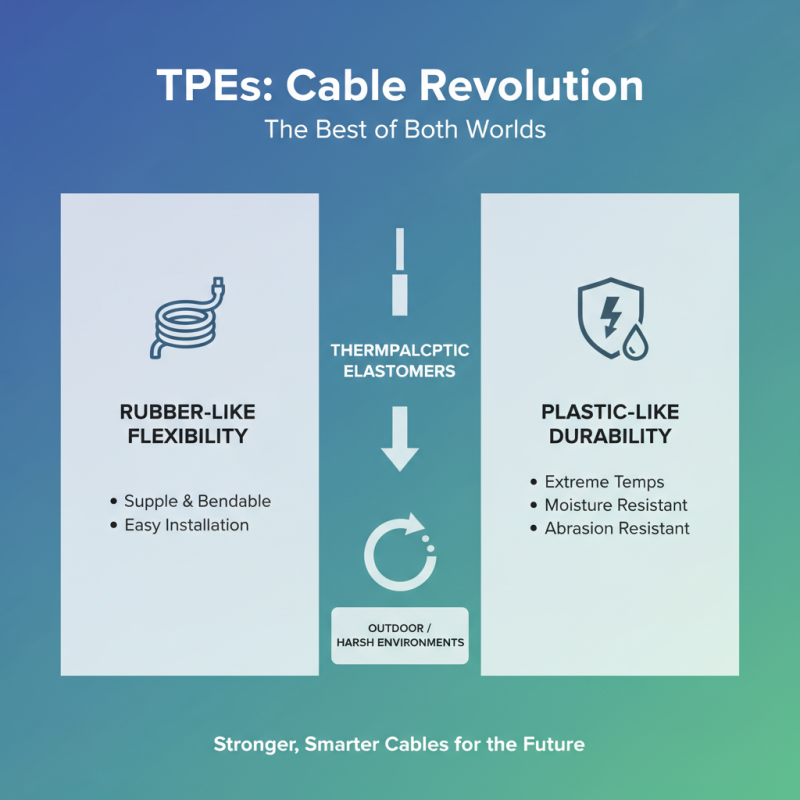
Common types include PVC, PE, TPE, and XLPE. Each of these serves distinct needs. For instance, PVC is widely used due to its flexibility and cost-effectiveness. PE offers excellent moisture resistance, making it ideal for outdoor applications. TPE is more flexible, suitable for portable cables. XLPE withstands high temperatures and is used in demanding environments.
Yet, not all compounds meet high standards. Some may lack durability, especially under extreme temperatures. This can result in an early cable failure. Industries must carefully choose the right compound. Ignoring this can be costly and dangerous. Analyzing application requirements is key to avoiding potential issues.
Top 5 Cable Compounds: Key Types and Their Applications Explained
| Cable Compound Type | Description | Key Properties | Common Applications |
|---|---|---|---|
| PVC (Polyvinyl Chloride) | A versatile and cost-effective plastic used in cable insulation. | Good flexibility, moisture resistance, and electrical insulation. | Residential wiring, telecommunications, and automotive applications. |
| XLPE (Cross-Linked Polyethylene) | A high-performance insulation material known for thermal resistance. | High thermal stability, chemical resistance, and excellent electrical properties. | High voltage cables, industrial power systems, and renewable energy systems. |
| LSZH (Low Smoke Zero Halogen) | Designed to emit minimal smoke and toxic fumes when burned. | Low toxicity, low smoke, and high flame resistance. | Public buildings, transportation systems, and areas requiring fire safety. |
| HFFR (Halogen Free Flame Retardant) | Flame-retardant compounds that do not contain halogens. | Flame resistance, mechanical strength, and low smoke emissions. | Telecommunications, power generation, and control systems. |
| EPR (Ethylene Propylene Rubber) | Rubber compound offering excellent heat and oil resistance. | High flexibility, low-temperature performance, and durability. | Submarine cables, mining, and heavy-duty industrial applications. |
Related Posts
-

Top 10 Biodegradable Masterbatch Options for Sustainable Packaging Solutions
-

2025's Top 10 Plastic Filler Masterbatch Innovations for Enhanced Performance
-
What is Color Masterbatch and How It Transforms Plastic Manufacturing
-

Top 10 Benefits of Using Compound Masterbatch in Plastics Manufacturing
-

Exploring the Benefits of Using White Masterbatch in Sustainable Plastic Production
-

Top 5 Surya Masterbatch Options for Enhanced Plastic Performance