China Top 10 Polyethylene Masterbatch Manufacturers?
China’s polyethylene masterbatch industry serves packaging, agriculture, construction, automotive, and consumer product manufacturers worldwide. This guide introduces ten notable Chinese producers and examines why buyers consider them reliable. The discussion focuses on practical evidence, not impressive claims alone.
Each manufacturer is reviewed through clear purchasing criteria. These include polyethylene compatibility, pigment dispersion, additive stability, production capacity, quality control, and technical support. Certifications and testing procedures also matter. A supplier may offer attractive pricing, yet inconsistent color or poor dispersion can create visible streaks, blocked filters, and costly production delays. Details decide value.
The selection also considers experience with different processing conditions, including blown film, extrusion, injection molding, and rotational molding. Product data sheets, batch samples, and customer feedback provide useful signals. However, public information is not equally detailed for every company. No ranking is perfect. Some manufacturers may perform better in specialized applications than their overall position suggests. Buyers should verify melt flow requirements, loading ratios, weather resistance, food-contact suitability, and regional compliance before placing orders.
This overview is intended to support a careful shortlist, not replace technical evaluation. Strong manufacturers usually communicate clearly, provide traceable test results, and respond effectively when problems arise. A factory visit can reveal practical realities, such as material handling, laboratory equipment, and production discipline. Those observations often matter more than polished marketing language. Performance matters. The best partner is not always the largest supplier, but the one that consistently matches your resin system, application demands, and quality expectations.

What Is Polyethylene Masterbatch and Why Does It Matter?
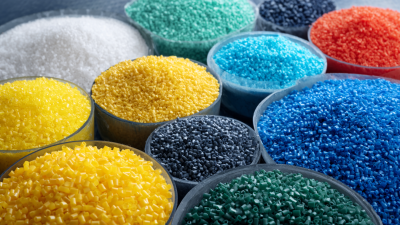
Polyethylene masterbatch is a concentrated blend of pigments, additives, and a compatible polyethylene carrier. Manufacturers dilute it during extrusion, film blowing, injection molding, or blow molding. The small pellets look ordinary, yet they control color strength, UV resistance, slip, antiblocking, and processing stability.
Its importance is measurable. Grand View Research valued the global polyethylene market at about USD 121 billion in 2023 and expects continued growth through 2030. Meanwhile, MarketsandMarkets reports that the global masterbatch market is expanding steadily, driven by packaging, agriculture, construction, and consumer products.
These figures explain why polyethylene masterbatch manufacturers compete on more than color. Consistent dispersion matters. So does accurate dosing.
A practical evaluation should examine carrier compatibility, pigment concentration, migration performance, thermal stability, and lot-to-lot consistency. A clear technical data sheet helps, but it cannot replace a production trial. In film testing, poorly dispersed pellets may leave visible specks, weak areas, or uneven gloss. That problem is expensive.
Recycling adds another layer. The OECD’s Global Plastics Outlook reported that global plastic waste more than doubled from 2000 to 2019.
This pressure encourages recycled polyethylene use, although recycled feedstock can vary sharply in moisture, melt flow, and contamination. Masterbatch design must respond to that variation. It is not perfect.
For a China top-ten comparison, buyers should request laboratory certificates, application data, safety documentation, and samples from multiple batches. A low price may hide higher dosing or unstable color. Report data offers direction, not proof. Factory evidence remains decisive.
How to Evaluate Polyethylene Masterbatch Manufacturers in China
How to Evaluate Polyethylene Masterbatch Manufacturers in China
China remains a major plastics production center. Plastics Europe reported global plastics production of 413.8 million tonnes in 2023, with China contributing roughly one-third. This scale supports strong manufacturing experience, but capacity alone proves little. Evaluate each polyethylene masterbatch manufacturer through documented process control, not attractive samples.
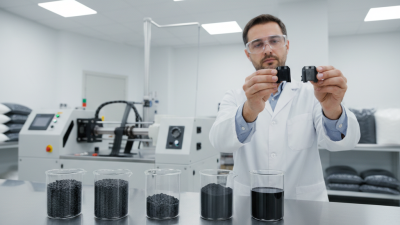
Request technical data sheets, safety data sheets, pigment loading details, carrier-resin information, and batch test records. Check melt flow rate, moisture, ash content, dispersion, color difference, and filter-pressure performance. Independent laboratory testing is valuable. It can expose differences hidden by a polished sample. ISO 9001 certification helps, but it does not guarantee consistent masterbatch quality. Audit raw-material storage, twin-screw extrusion, cooling, pelletizing, and packaging areas. Observe whether operators record temperatures and feeding rates.
MarketsandMarkets estimates that the global masterbatch market will grow at approximately 5.8% annually through 2029. Growing demand increases supplier choices, but also increases the risk of rushed production. Ask for three recent production lots, not one perfect batch. Compare performance in your actual polyethylene resin and processing conditions. Confirm export documentation, traceability, complaint handling, and change-notification procedures. A manufacturer should explain pigment compliance for your destination market. This matters for food-contact or packaging applications. Do not rely on price alone. A cheaper concentrate may require higher dosing or cause unstable color. No audit is perfect. Recheck suppliers after formulation, equipment, or raw-material changes.
China Top 10 Polyethylene Masterbatch Manufacturers? How to Evaluate Them
Use this weighted evaluation framework to compare polyethylene masterbatch manufacturers without relying only on price. The percentages represent a practical buyer-oriented scoring model for product quality, supply reliability, technical capability, compliance, and service.
A strong supplier should demonstrate stable dispersion and melt-flow performance, reliable batch-to-batch consistency, suitable production capacity, documented regulatory compliance, responsive color matching, dependable logistics, and measurable sustainability practices.
China’s Top 10 Polyethylene Masterbatch Manufacturers
China’s Top 10 Polyethylene Masterbatch Manufacturers are often judged by more than production volume. Experienced buyers examine dispersion, pigment strength, carrier compatibility, and batch consistency. These factors directly affect film appearance, molding stability, and production waste. A reliable manufacturer should provide technical data, sample testing, and clear quality records.
In practical evaluations, I would compare melt flow, moisture content, heat resistance, and recommended dosage. Trial production matters. A sample may perform well in a laboratory but behave differently on a fast extrusion line. Check whether the masterbatch mixes evenly without specks, streaks, or filter blockage. Communication also reveals expertise. Suppliers should explain formulation limits instead of promising universal performance. Some recommendations may still need revision after testing, especially when recycled polyethylene is involved.
Tips: Request a recent certificate of analysis and a retained sample. Test the material under your actual processing temperature and screw speed. Confirm packaging, storage life, and batch traceability before placing a large order. Keep records of color difference, torque, pressure, and surface quality. A lower price can be misleading when unstable dispersion creates hidden downtime. Also, avoid selecting a supplier from rankings alone; factory audits and small production trials offer stronger evidence.
Key Products, Technologies, and Industries Served
China Top 10 Polyethylene Masterbatch Manufacturers: Key Products, Technologies, and Industries Served
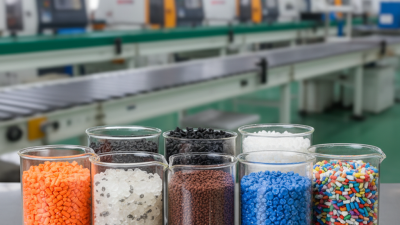
A reliable top-ten list should examine more than production volume. It should compare formulation experience, testing systems, delivery consistency, and technical support. In practice, polyethylene masterbatch manufacturers commonly supply black, white, color, filler, and functional additive concentrates. Each product must match the customer’s resin, processing temperature, and final application. A low-cost formula may look attractive, but unstable dispersion can create streaks, weak spots, or blocked film dies.
Modern production often uses twin-screw extrusion, controlled pigment feeding, and fine filtration. These technologies improve color uniformity and reduce contamination. Experienced suppliers also test moisture, ash content, melt flow, carrier compatibility, and pigment dispersion. Some facilities provide trial batches for blown film, injection molding, or extrusion testing. Useful data matters more than impressive claims. Still, laboratory results may not fully predict performance on an older production line.
The main industries served include flexible packaging, agricultural film, woven bags, pipes, household products, and industrial containers. Packaging producers may prioritize low odor, stable color, and food-contact documentation where required. Pipe manufacturers often need weather resistance and long-term pigment stability. Agricultural film users may request ultraviolet protection and controlled light transmission. Not every manufacturer performs equally across these fields. A ranking can change after factory audits, sample trials, and compliance reviews. That part is easy to overlook.
How to Choose the Right Chinese Supplier for Your Needs
China Top 10 Polyethylene Masterbatch Manufacturers?
How to Choose the Right Chinese Supplier for Your Needs
Choosing a Chinese polyethylene masterbatch supplier requires more than comparing price lists. Ask for technical data, production records, and application evidence. A reliable factory should explain carrier resin, pigment loading, dispersion, moisture control, and recommended dosage. Request recent test reports, not attractive promises. Check whether results match your film, injection, or extrusion process. Small differences in melt temperature can change color strength and surface quality. Practical experience matters here.
Before ordering, send a clear specification sheet. Include polymer type, target shade, loading rate, package size, annual volume, and processing temperature. Ask for a sample using the same carrier system. Run it on your own equipment, then inspect dispersion under magnification. Measure color difference, tensile performance, filter pressure, and odor where relevant. Keep a retained sample from every approved batch. It helps trace problems later. Do not rely only on sales confidence.
Supplier verification should cover factory communication, quality procedures, and realistic lead times. Ask how they manage raw-material changes, rejected batches, and corrective actions. A written tolerance is more useful than “consistent quality.” Confirm export documents and packaging labels before payment. One overlooked detail can delay production. Low prices sometimes hide expensive downtime. This mistake is easy to repeat. Allow room for trial failures, because laboratory samples cannot perfectly predict full-scale production. A responsive supplier discusses weaknesses openly.