China Top 10 Hydraulic Pallet Truck Manufacturers
Choosing a Hydraulic Pallet Truck manufacturer involves more than comparing prices or catalog photos. A truck may look suitable online, yet its fork dimensions, turning radius, or rated capacity may not fit a busy warehouse aisle. Small details matter. This guide introduces ten manufacturers in China and considers practical factors buyers can verify, including product specifications, manufacturing experience, quality documentation, customization options, and after-sales support. Where available, product data and company information should be checked directly with the manufacturer. That extra step can prevent costly assumptions.
The comparison is intended to help purchasing teams ask better questions, not to promise that one supplier suits every operation. Look closely at pump design, wheel materials, handle comfort, and performance on uneven floors. Ask how spare parts are supplied and whether service support is available in your region. These details can shape daily productivity as much as the headline load rating. A product page cannot show everything. Even a carefully prepared list has limits, and supplier claims deserve independent review. The manufacturers featured here provide a starting point for evaluating options, but final decisions should reflect actual pallet sizes, shift patterns, floor conditions, and maintenance capacity. A short trial can reveal issues that a brochure will not.
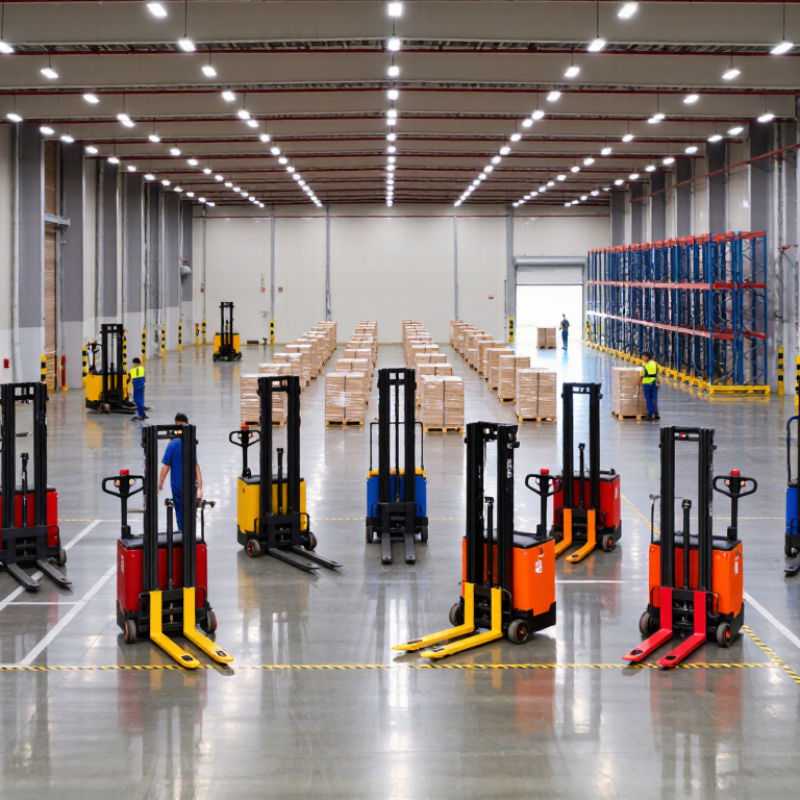
Hydraulic Pallet Trucks: How They Work and Typical 2,000–3,000 kg Capacity
A hydraulic pallet truck raises its forks through a simple pump-and-piston system. Each handle stroke moves hydraulic fluid into a cylinder, lifting the load a little at a time. A release valve lets the forks descend. The action feels straightforward, but a sticky valve or damaged seal can make lowering uneven. A 2,000–3,000 kg capacity is common for this equipment class, not a guarantee for every load or floor. Check the truck’s rated capacity and keep the load centered over the forks.
Capacity is only part of safe handling. A long, uneven pallet can shift weight toward the fork tips, while a sloped or cracked floor adds resistance. That matters. The U.S. Bureau of Labor Statistics reported 2.6 million nonfatal workplace injuries and illnesses in private industry in 2023, with a rate of 2.4 cases per 100 full-time equivalent workers. These figures cover many types of work, not pallet trucks specifically, but they underline why routine checks matter. Inspect wheels, forks, pump action, and lowering control before use. In practice, operators sometimes focus on the load and overlook wheel damage. That is an easy habit to miss.
Hydraulic Pallet Trucks: How They Work and Typical 2,000–3,000 kg Capacity
Manual hydraulic pallet trucks use a hand-operated pump to move hydraulic fluid and raise the forks. Opening the release valve lets the forks lower. The chart shows representative rated-capacity examples—not manufacturer or market-share data. Always check the rating plate and load conditions for the specific truck.
How to Evaluate Manufacturers: Load Rating, Fork Size, and EN ISO 3691-5
When comparing hydraulic pallet truck manufacturers, treat load rating as a working limit, not a target. Check the truck’s rated capacity and the load’s actual weight, including its packaging. A 2,000 kg rating does not mean every 2,000 kg pallet can be moved safely. Load position, uneven floors, and frequent turning all affect stability and effort. Small details matter. Ask how the rating was determined and whether it applies to the truck’s specific configuration.
Fork length and width should match the pallets used in your facility. Measure between pallet entry openings, then check fork spacing and overall width against the load. Forks that are too short may leave the pallet poorly supported; forks that are too wide can catch its underside. Measure twice. It sounds obvious, but busy purchasing teams sometimes rely on a standard pallet assumption that does not fit their stock.
For pedestrian-operated trucks, ask the manufacturer for documentation showing how the model was assessed against EN ISO 3691-5, including the applicable edition and safety features. Check that the documents match the exact model and options being offered. The standard addresses safety requirements and verification, but it cannot account for every aisle, ramp, or operator routine. Ask practical questions about braking, controls, and safe operation on your floor. A certificate alone is not the whole evaluation.
China’s Top 10 Hydraulic Pallet Truck Manufacturers and Product Profiles
China’s top ten hydraulic pallet truck manufacturers are best compared through product profiles, not price alone. The profiles should record rated capacity, fork length, minimum fork height, pump design, wheel material, and warranty coverage. Common manual models lift 2,000–3,000 kilograms, but rated capacity does not guarantee easy handling on uneven floors. Check turning radius and loaded rolling resistance, too. Details matter.
The wider market provides useful context, though it is not a direct measure of pallet truck demand. Grand View Research estimated the global material handling equipment market at about US$212.6 billion in 2023, with projected growth of 5.5% annually from 2024 to 2030. MHI’s 2024 industry report also found that 55% of surveyed organizations planned to increase supply-chain technology investment. These figures point to continuing attention on warehouse movement and productivity, not a guaranteed sales trend for any one product. A top-ten comparison should therefore separate verified specifications from promotional claims. Ask suppliers for load-test records and spare-parts details. Small inconsistencies in published dimensions are worth checking; catalog tables can be imperfect.
Comparing Key Specifications: 1,150 mm Forks, Lift Height, and Load Capacity
A 1,150 mm fork length is useful only when it matches the pallet’s entry direction and load footprint. ISO 6780:2003 includes common pallet dimensions of 1,200 × 800 mm and 1,200 × 1,000 mm. With a 1,200 mm pallet, the shorter forks may leave limited support at the ends; check the pallet design and load stability, not length alone. Small differences matter. Compare fork width, outside spacing, and lowered height too, especially where the truck must slide under low-clearance pallets.
Lift height figures need careful reading. A listing may show maximum fork elevation, while day-to-day work depends on usable clearance beneath the raised load. Record both the lowered fork height and maximum lift, then check them against racks, transfer points, and floor transitions. ISO 3691-5:2014 sets safety requirements for pedestrian-propelled trucks; it does not make a model’s load rating interchangeable with another’s. Compare rated capacity at the stated load center, and confirm whether the rating changes at greater lift heights. A neat comparison table can still mislead. The data plate and operating manual deserve a final check, even when the headline capacity looks right.
China Top 10 Hydraulic Pallet Truck Manufacturers - Comparing Key Specifications: 1,150 mm Forks, Lift Height, and Load Capacity
| Configuration | Fork Length | Overall Fork Width | Lowered Fork Height | Maximum Lift Height | Rated Load Capacity | Typical Application |
| Standard-duty | 1,150 mm | 520 mm | 85 mm | 200 mm | 2,000 kg | General warehouse pallet handling |
| Heavy-duty | 1,150 mm | 550 mm | 85 mm | 200 mm | 2,500 kg | Routine movement of heavier palletized loads |
| High-capacity | 1,150 mm | 685 mm | 85 mm | 200 mm | 3,000 kg | Wide-pallet and higher-load applications |
| Low-profile | 1,150 mm | 520 mm | 51 mm | 165 mm | 2,000 kg | Low-clearance pallets and skids |
| Short-fork | 800 mm | 520 mm | 85 mm | 200 mm | 2,000 kg | Compact spaces and shorter pallets |
| Long-fork | 1,220 mm | 550 mm | 85 mm | 200 mm | 2,500 kg | Long loads and selected non-standard pallets |
| Narrow-fork | 1,150 mm | 450 mm | 85 mm | 200 mm | 2,000 kg | Narrow pallet openings and confined aisles |
| Wide-fork | 1,150 mm | 685 mm | 85 mm | 200 mm | 2,500 kg | Wide pallets requiring broader fork spacing |
| Corrosion-resistant | 1,150 mm | 520 mm | 85 mm | 200 mm | 2,000 kg | Washdown or damp working environments |
| Ergonomic-duty | 1,150 mm | 520 mm | 85 mm | 200 mm | 2,500 kg | Frequent manual pallet movement |
These rows show representative hydraulic pallet truck configurations, not verified specifications for ten named manufacturers or a ranked manufacturer list. Dimensions and rated capacities vary by model; confirm the product data sheet and load chart before selection.
Applications, Safety Checks, and Choosing a Truck for Your Operating Conditions
Hydraulic pallet trucks suit short-distance movement of palletized goods in warehouses, workshops, and loading areas. Their compact frame can help in narrow aisles, while the hydraulic pump raises a load with controlled handle strokes. On uneven floors, small wheels may catch at joints or dock plates. Small details matter. Match the truck’s rated capacity and fork dimensions to the actual pallet, including any overhang. A truck that fits the aisle but cannot turn safely is not a useful fit.
Before use, inspect the forks for bends or cracks, and check wheels for debris and flat spots. Look for hydraulic leaks around the pump and cylinder. Raise an unloaded fork, then lower it smoothly; a jerky or drifting lift needs attention. Confirm the handle returns as expected, and keep feet clear of the wheels. In practice, this check is easy to rush. Even a careful inspection can miss a rough patch of floor, so operators should also watch thresholds and debris along the route.
Choose according to the work surface, turning space, travel distance, and load frequency. For frequent movement over long distances, a manual truck may create unnecessary strain; consider whether powered equipment is more appropriate. Wet or sloped areas need particular care, and steep ramps are generally unsuitable unless the equipment guidance specifically permits them. Cold rooms can affect seals and handling. A checklist helps, but it cannot replace sound judgment.