Choosing a cable compound manufacturer can affect insulation performance, production stability, and long-term cable reliability. Global buyers often compare suppliers across several demanding factors. These include material consistency, temperature resistance, flame performance, processing behavior, and technical support. A low quotation may look attractive, but unstable extrusion can create costly scrap and delayed deliveries.
This guide presents ten cable compound manufacturers serving international markets. The selection considers product range, manufacturing capacity, laboratory testing, quality systems, and experience with power, automotive, telecommunications, and industrial cables. It also examines practical details, such as minimum order quantities, color matching, packaging, technical documentation, and response times. Buyers should verify current certifications and regional approvals before placing orders. Standards and market requirements can differ between Europe, North America, Asia, and other regions.
Details matter.
A reliable supplier should explain how each formulation performs under heat, moisture, mechanical stress, and flame exposure. Product data sheets are useful, but trial production often reveals more. One compound may run smoothly at a factory’s normal screw speed, while another may require narrower temperature control. This guide cannot predict every production condition. That limitation deserves attention. The best manufacturer depends on cable design, equipment, installation environment, and service expectations. By comparing these suppliers carefully, purchasing teams can create a more defensible shortlist and reduce avoidable technical risks.
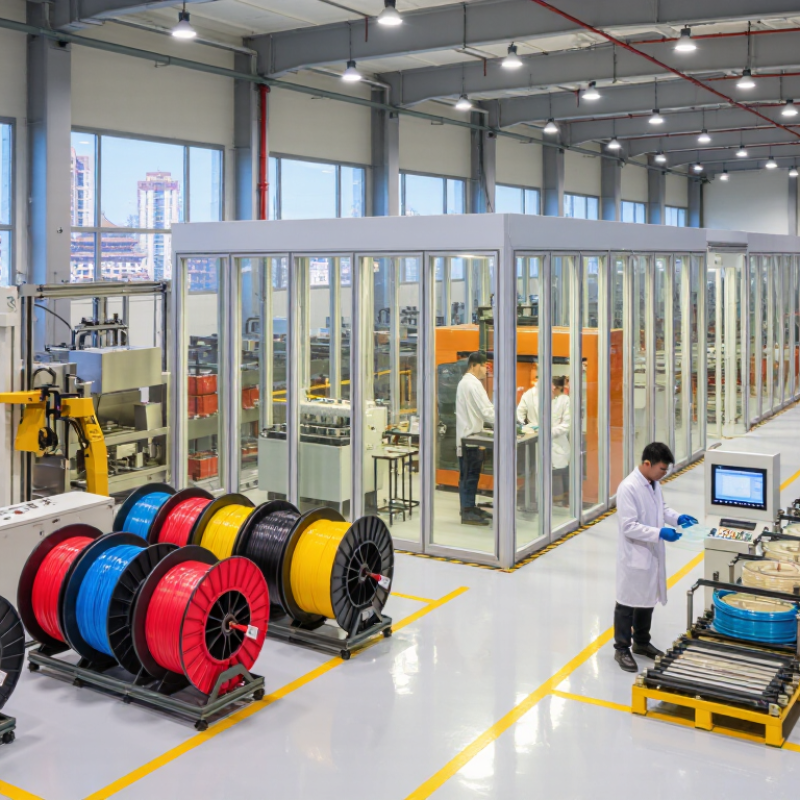
The compound affects electrical safety and cable lifespan. A well-designed insulation layer keeps current contained, even when cables face vibration or temperature changes. Sheathing compounds also protect against abrasion, chemicals, and water entry. In industrial installations, small material weaknesses can become cracks near connectors or tight bends. That matters.
For global buyers, a manufacturer should provide clear technical data, batch traceability, processing guidance, and independent test evidence. Important checks include tensile strength, elongation, volume resistivity, dielectric performance, aging resistance, and flame behavior. Buyers should also confirm whether the compound suits the intended voltage, installation environment, and extrusion equipment. A specification can look complete and remain vague. Ask how results were measured, not only whether a standard is mentioned.
No compound is perfect. Higher flexibility may reduce hardness, while stronger flame performance can complicate processing. Recycled content may support sustainability, yet it can require tighter quality control. Experienced purchasing teams compare test results with actual operating conditions, then request trial extrusion before approving large volumes. Manufacturers that explain limitations openly are often more dependable than suppliers offering only impressive numbers.
Top 10 Cable Compound Manufacturers for Global Buyers?
How to Classify Cable Compound Manufacturers by Product Type
Global buyers should classify suppliers by compound family, not catalog size. PVC compounds suit building wires, flexible cords, and many low-voltage applications. Polyolefin compounds, including PE and XLPE, support insulation and high-voltage performance. LSZH and HFFR compounds reduce smoke and corrosive gases during fire exposure. They also require careful processing.
The market is moving toward demanding specifications. Grand View Research’s cable compounds outlook projects roughly 6% annual growth through 2030. The IEA’s Electricity 2024 report expects global electricity demand to grow about 4% annually during 2024–2026. This expansion increases demand for power, control, and communication cables. Product classification still needs testing. Ask for tensile strength, elongation, ageing, dielectric performance, and extrusion-temperature data. IEC 60811 test methods support consistent supplier comparisons.
Application details separate capable manufacturers from ordinary compounders. A 90°C PVC grade may fit indoor wiring, but not every humid or hot installation. XLPE needs controlled crosslinking and clean production. LSZH compounds require balance among flame performance, flexibility, and surface finish. Semiconductive grades need stable volume resistivity. Small differences matter. Copper discoloration, die buildup, or uneven pellet flow can disrupt production. No supplier category is perfect. Some datasheets hide processing limits. Buyers should audit batch records, retain samples, and run trial extrusion before approval.
Top 10 Cable Compound Manufacturers for Global Buyers
Global buyers need more than a low resin price. They need stable processing, verified flame performance, and dependable export support. The International Energy Agency reports that annual grid investment must exceed USD 600 billion by 2030. This expansion will increase demand for insulation, sheathing, and semi-conductive compounds.
A practical top-ten comparison should examine formulation depth, production capacity, and batch consistency. MarketsandMarkets projects strong growth in the cable compounds sector through 2028, supported by renewable power and infrastructure upgrades. Buyers should request technical data sheets, safety documentation, and recent test reports. IEC 60811-based testing can help verify tensile strength, elongation, aging resistance, and thermal behavior. Small details matter. A clean extrusion surface often reveals better moisture control.
Supplier audits should include pellet storage, automatic dosing, laboratory equipment, and complaint response times. Ask for sample production before signing a large contract. Check whether the compound performs on your actual extrusion line, not only in laboratory conditions. Public rankings can mislead because capacity, regional pricing, and unpublished quality data change frequently. I have seen promising samples fail after humid storage. That weakness deserves attention. Freight distance, recycled content, and regulatory documentation also affect the real purchasing cost. A top-ten list is useful, but it should remain a working assessment rather than a permanent verdict.
| Rank | Anonymous Supplier | Primary Manufacturing Region | Main Cable Compound Portfolio | Common Technical Standards Supported | Typical Cable Applications | Supply Format | Typical Export Reach | Buyer Consideration |
|---|---|---|---|---|---|---|---|---|
| 1 | Manufacturer 01 | Western Europe | PVC PE LSZH Halogen-free flame-retardant | IEC 60502, IEC 60332, IEC 60754, IEC 61034 | Low-voltage power cables, building wires, control cables, and public-infrastructure cables | Pellets and customized dry blends | Europe, Middle East, Asia, and North America | Strong choice for regulated construction and infrastructure projects |
| 2 | Manufacturer 02 | East Asia | XLPE PE Semiconductive compounds | IEC 60840, IEC 62067, ASTM D1248, ISO 1872 | Medium-voltage and high-voltage power cables, insulation layers, and shielding systems | Pellets with batch-specific technical data | Asia-Pacific, Europe, Africa, and the Americas | Suitable for buyers requiring consistent electrical and thermal performance |
| 3 | Manufacturer 03 | North America | PVC PE TPU TPE | UL 1581, UL 2556, ASTM D638, ASTM D2863 | Industrial cables, appliance wires, tray cables, automotive harnesses, and flexible cords | Pellets, compounds, and color-matched grades | North America, Latin America, and selected Asian markets | Good fit for products requiring North American testing protocols |
| 4 | Manufacturer 04 | Central Europe | LSZH HFFR Cross-linkable polyolefin | IEC 60332-1, IEC 60332-3, IEC 60754, IEC 61034 | Railway cables, tunnels, airports, data centers, and other low-smoke installations | Pellets for extrusion and cross-linking processes | Europe, the Gulf region, and international infrastructure markets | Prioritize when smoke, acidity, and flame performance are critical |
| 5 | Manufacturer 05 | South Asia | PVC PE XLPE Filled compounds | IEC 60502, IS 5831, ASTM D1248, RoHS requirements | Building wires, utility cables, telecommunications cables, and general industrial wiring | Standard and customized pellets | South Asia, Africa, Middle East, and Southeast Asia | Competitive option for high-volume, cost-sensitive cable production |
| 6 | Manufacturer 06 | Southeast Asia | PVC LSZH PE Semi-conductive compounds | IEC 60502, IEC 60332, IEC 60754, ISO 9001 systems | Power distribution, telecommunications, data transmission, and control cables | Pellets with standard and tailor-made formulations | ASEAN, Australia, the Middle East, and selected global markets | Useful for regional supply diversification and shorter Asian transit routes |
| 7 | Manufacturer 07 | Northern Europe | HFFR LSZH EPR Specialty elastomers | IEC 60332, IEC 60754, IEC 61034, EN 50399 | Renewable-energy cables, marine cables, offshore systems, and railway applications | Pellets and application-specific compound packages | Europe, offshore-energy markets, and selected global projects | Appropriate for demanding environments and fire-performance specifications |
| 8 | Manufacturer 08 | Middle East | PVC XLPE PE UV-resistant compounds | IEC 60502, IEC 60840, ASTM D2565, ISO 4892 | Utility networks, solar cables, outdoor control cables, and harsh-climate installations | Pellets, masterbatch-compatible grades, and custom formulations | Middle East, North Africa, South Asia, and selected export markets | Consider for high-temperature, UV-exposed, and outdoor cable systems |
| 9 | Manufacturer 09 | Eastern Europe | PVC PE LSZH Flexible compounds | IEC 60502, EN 50575, IEC 60332, RoHS requirements | Building cables, flexible industrial wires, instrumentation cables, and low-voltage systems | Pellets in standard extrusion grades | European Union, Central Asia, and neighboring markets | Practical option for buyers seeking European logistics and product conformity |
| 10 | Manufacturer 10 | Latin America | PVC PE XLPE Flame-retardant grades | IEC 60502, NBR cable requirements, ASTM D1248, RoHS requirements | Utility cables, building wires, industrial cables, and regional electrical infrastructure | Pellets and customer-specific compound grades | Latin America, North America, and selected overseas buyers | Worth evaluating for regional sourcing and reduced cross-border lead times |
Note: The ranking is a buyer-oriented comparison based on product breadth, standards coverage, application suitability, and international supply potential. Final qualification should be based on current technical datasheets, test reports, certifications, production audits, and sample trials.
Choosing among the top 10 cable compound manufacturers requires more than comparing prices. Quality should be checked through tensile strength, elongation, heat aging, moisture resistance, and batch consistency. Request recent test reports, retained samples, and traceable production records. A glossy sample can mislead.
Standards must match the destination market and cable application. Ask whether the compound supports relevant IEC, UL, RoHS, REACH, or customer-specific requirements. Verify certificates with independent laboratories when the project carries high risk. Capacity also needs practical evidence. Review monthly output, production line availability, raw material security, and realistic lead times. A factory may quote fast delivery, yet struggle during peak seasons. That possibility deserves attention.
Tips: Send the same technical specification to every supplier. Compare test conditions, not only reported values. Ask for a pilot batch before approving full production. Check color stability, extrusion behavior, and surface finish under your actual processing settings. Customization should cover polymer type, flame performance, hardness, color, filler ratio, and jacket thickness. However, every change can affect cost, certification, and processing speed. Keep written approval records for each revision. Some suppliers may resist small-volume trials, but that response itself reveals their flexibility. Perfect comparisons are rare; careful documentation reduces avoidable surprises.
Top 10 Cable Compound Manufacturers for Global Buyers?
Global buyers should qualify suppliers beyond a polished website or a low quotation. Review their production history, technical expertise, and export experience. Request a current TDS, SDS, COA, and batch traceability records. Samples reveal more.
Test the compound in your own extrusion line, not only in the supplier’s laboratory. Measure melt flow, moisture, tensile strength, elongation, flame performance, and surface quality. Compare results across several lots. A single perfect sample proves little. Ask whether the supplier controls raw material changes and production deviations. Clear answers usually indicate a mature quality system.
Audit communication as carefully as equipment. Can the technical team explain processing temperatures, storage limits, and common failure points? Check ISO certification, laboratory calibration, regulatory declarations, and documentation for your destination markets. Confirm lead times with realistic capacity data, not optimistic promises. A factory visit or independent inspection adds useful evidence. However, even experienced buyers can overvalue certificates and overlook inconsistent packaging or weak after-sales support. Keep a written scorecard covering quality, reliability, cost, responsiveness, and risk. Reassess suppliers after trial orders, because performance under commercial pressure may differ from the first evaluation.
This buyer-side benchmark uses a 100-point qualification model based on commonly applied cable-industry requirements, including IEC and UL compliance, ISO 9001 quality systems, technical consistency, supply reliability, and sustainability documentation. It is designed to compare shortlisted manufacturers without publishing company or brand data.
WhatsApp us