Essential Tips for Choosing the Right Color Master Batch?

Choosing the right color master batch is crucial for product quality. The color master batch determines the visual appeal and brand identity. It's not just about picking a color. You need to consider various factors.

The type of plastic being used greatly influences your choice. Different plastics absorb color differently. You might think you know what works best. However, testing samples is essential. Sometimes, the color you envision does not translate well in production.

Don't overlook compatibility with your existing processes. Some color master batches perform better under specific conditions. It can be frustrating when things don’t go as planned. A little trial and error might be necessary. In the end, the right choice can enhance the overall quality of your product.
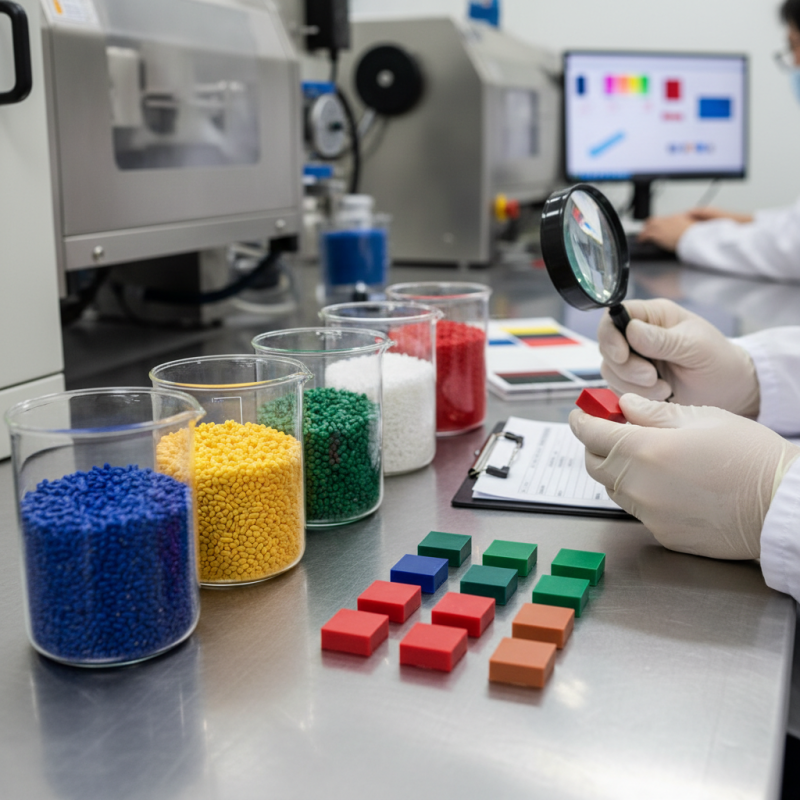
Essential Tips for Choosing the Right Color Master Batch?

Understanding Color Masterbatches and Their Importance

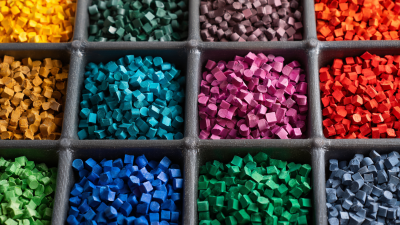
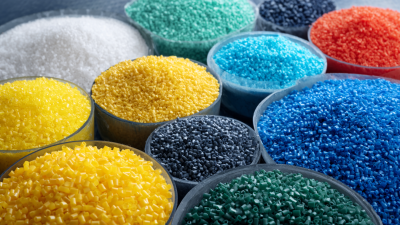
Color masterbatches play a crucial role in the plastic manufacturing industry. These concentrated mixtures of pigments enhance the color and properties of the final products. Using the right color masterbatch can significantly impact the aesthetic appeal and functionality of the items produced.

Selecting the right color masterbatch involves understanding a few essential factors. Start by assessing the type of plastic being used. Different materials interact with colors uniquely. It’s also vital to consider the end-use of the product. Will it be exposed to sunlight? Will it need to withstand wear and tear? These considerations can influence the choice of color and type of masterbatch.

However, the process isn't always straightforward. You might discover that certain colors don't perform as expected. Sometimes, they may fade, clash, or not deliver the intended result. Experimenting with samples is crucial. Ultimately, a little trial and error can provide insights into what works best for your specific needs.
Factors to Consider When Choosing Color Masterbatches

Essential Tips for Choosing the Right Color Master Batch?

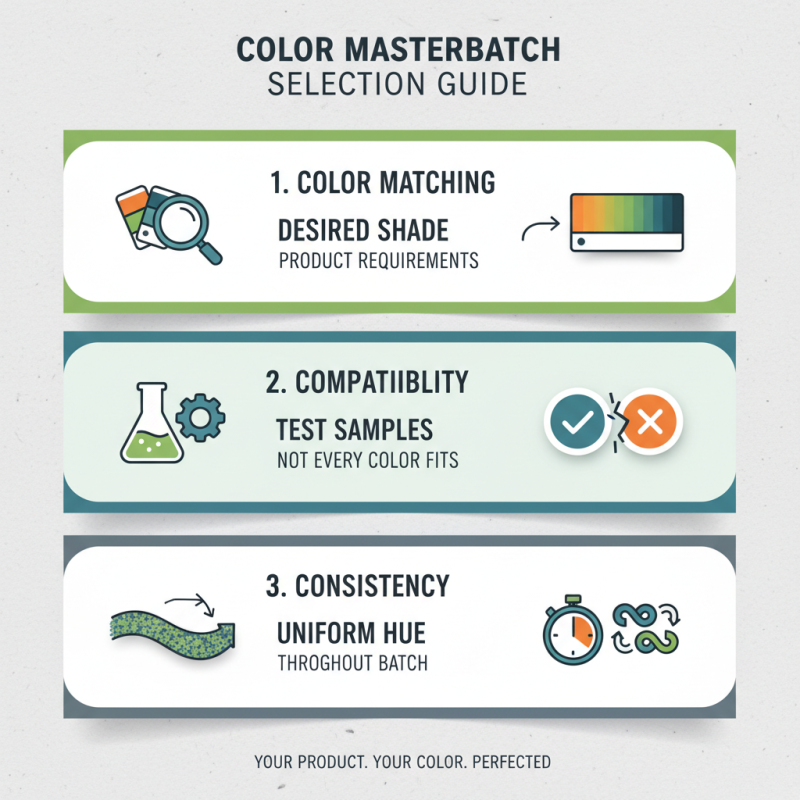
When choosing a color masterbatch, there are key factors to keep in mind. Color matching is essential. The desired shade should meet your product requirements. Not every product can accommodate every color. Test samples beforehand to ensure compatibility. You want a consistent hue throughout the batch.

The resin type used in the masterbatch impacts performance. Different plastics react differently to pigments. Consider the end-use of your product. For example, automotive parts may require specific colorants. They must withstand environmental stress. Evaluate the heat stability of the masterbatch. Some colors may fade under high temperatures.

Cost is another important aspect. Higher quality often comes at a higher price. However, cheaper options may lead to poorer quality. Scrutinize the long-term effects of your choice. Examine if the color masterbatch affects the physical properties. A balance between quality and cost should be sought. Always remember, the wrong choice could lead to costly mistakes.

Evaluating Color Consistency and Performance

Choosing the right color masterbatch involves careful consideration of color consistency and performance. Studies show that up to 30% of production rejects occur due to color variations. Ensuring consistent color is crucial for maintaining product quality.

Measuring color accuracy can be done using spectrophotometry. This method provides objective data on color differences. A deviation of just 1 or 2 Delta E units is noticeable to the human eye. In practical terms, this means that color consistency affects not only aesthetics but also customer satisfaction.

Performance is equally significant. Color masterbatches should withstand environmental factors without fading. Research indicates that formulas with UV stabilizers degrade slower under sunlight. However, many products sacrifice quality for cost. This often leads to colors that fade quickly. The industry trend emphasizes the need for better stability and more durable solutions.

Assessing Compatibility with Different Materials

When selecting a color master batch, compatibility with different materials is crucial. Different polymers respond uniquely to colors and additives. For instance, polyolefins may require specific methodologies for achieving consistent color. The interaction between the master batch and the base polymer can affect the final product's visual appeal and performance.

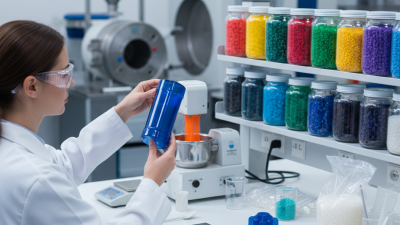
Testing is vital. Small sample batches can reveal how well the color integrates. Issues may arise if the colors do not disperse evenly, leading to streaks or unexpected shades. The choice of polymer and color can create unexpected results. Consider the processing temperature, too; high temperatures might change the hue or degrade the master batch.

Sometimes, desire for vivid colors doesn't align with the material's characteristics. A beautiful shade may not achieve the impact if it lacks proper adhesion or stability. Essential factors include the dye’s migration tendency and potential interaction with fillers. Aim for a color that not only looks amazing but also performs well in practical applications.

Essential Tips for Choosing the Right Color Master Batch? - Assessing Compatibility with Different Materials

Material Type Recommended Color Master Batch Compatibility Level Key Considerations
Polyethylene (PE) HDPE Color Masterbatch High Ensure UV stability for outdoor applications
Polypropylene (PP) PP Color Masterbatch Medium Check for heat stability in processing
Polyvinyl Chloride (PVC) PVC Color Masterbatch High Consider chlorine resistance
Polystyrene (PS) PS Color Masterbatch Medium Review compatibility with additives
Acrylic (PMMA) Acrylic Color Masterbatch Low Evaluate impact on transparency

Budgeting and Cost Considerations in Masterbatch Selection

Essential Tips for Choosing the Right Color Master Batch?

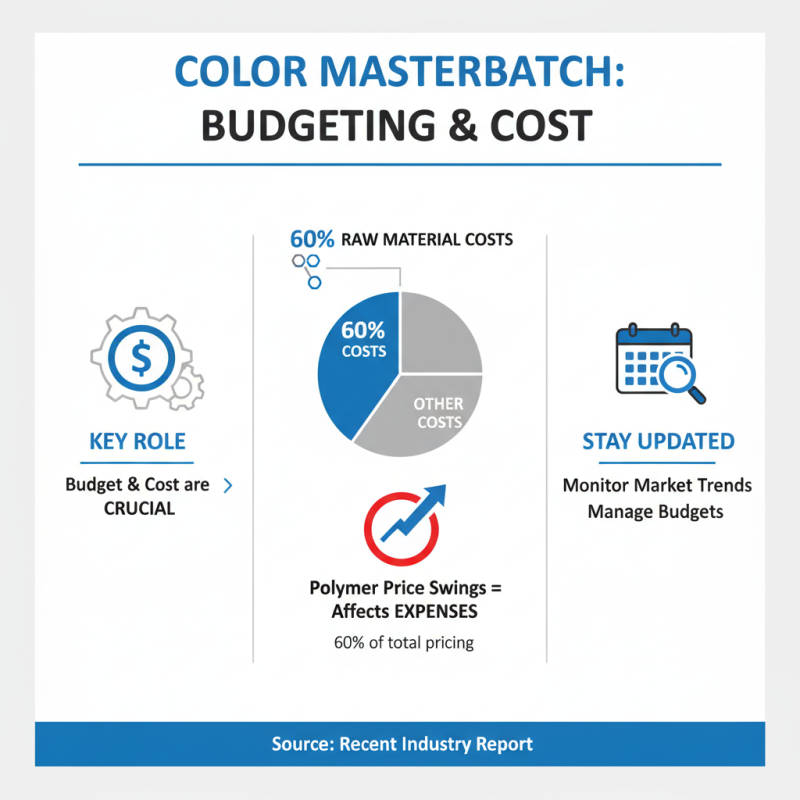
When selecting a color masterbatch, budgeting and cost considerations play a crucial role. According to a recent industry report, raw material costs constitute approximately 60% of the total masterbatch pricing. This means that even minor fluctuations in polymer prices can significantly affect overall expenses. Manufacturers must stay updated on market trends to effectively manage their budgets.

One must also consider the quality of the masterbatch. Lower-priced options might compromise on aspects like pigmentation and dispersion. A 2023 survey highlighted that nearly 30% of users have faced quality issues due to cheaper masterbatches. These issues can drastically lead to production delays and higher long-term costs. It's essential to balance quality with budget constraints carefully.

Another area to reflect on is the potential waste generated from poor color matching. A report indicated that up to 15% of production can be scrapped during color adjustments. This waste translates directly into increased costs and resource depletion. Therefore, investing in a higher-quality masterbatch can save money in the long run. It's a complex decision that requires careful consideration of both immediate costs and potential long-term implications.