Top 5 Tips for Choosing the Best Wastewater Flocculant?
In the world of wastewater treatment, selecting the right Wastewater Flocculant is crucial. According to a report by the Water Environment Federation, improper selection can lead to increased operational costs and lower efficiency. An expert in the field, Dr. Emily Turner, emphasizes, "Choosing the right flocculant directly impacts the treatment process and overall sustainability."
Flocculants play a vital role in clarifying water by agglomerating particles. This makes it easier to remove contaminants. With a projected market growth of over 7% annually, the demand for effective flocculants is climbing. Yet, many facilities struggle with this choice, often overlooking critical factors.
Proper assessment of application requirements is necessary. Many underestimate their specific needs and capabilities. Not all flocculants perform equally in every situation, leading to inefficiencies. When investing in wastewater treatment, reflecting on past decisions could save significant resources in the long run. Ensuring the right selection is essential for operational success and environmental stewardship.
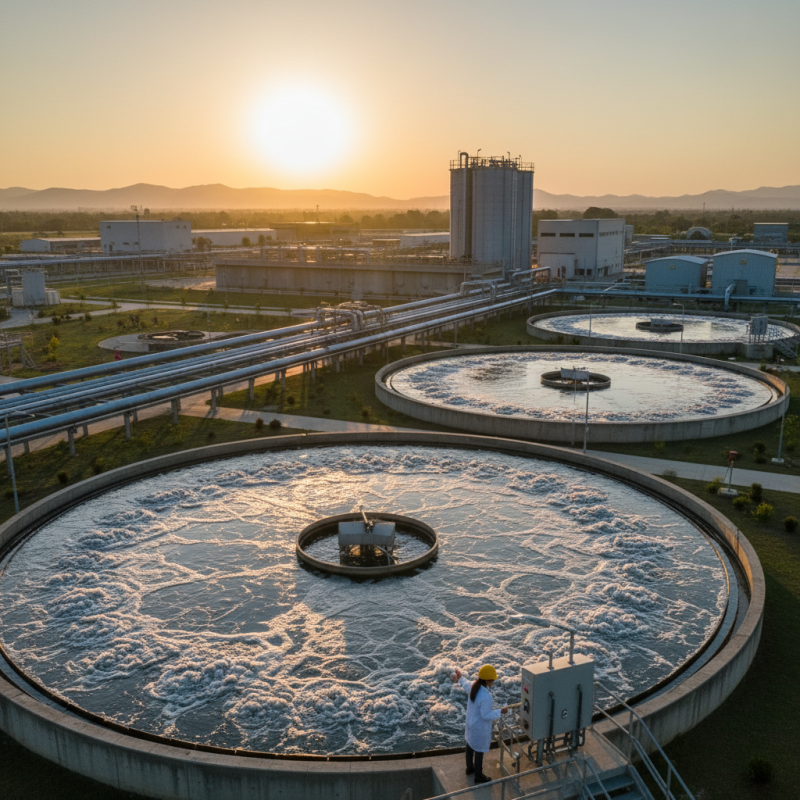
Identifying the Specific Wastewater Treatment Needs
Choosing the right flocculant is crucial for efficient wastewater treatment. Different types of wastewater have unique treatment requirements. For instance, industrial wastewater often contains heavy metals, requiring a specific flocculant type that can bind these contaminants effectively. According to a recent industry report, improper selection of flocculants can reduce treatment efficiency by up to 30%.
Understanding your specific treatment needs can guide your choice. Collect data on your wastewater composition. Analyze parameters like turbidity, pH, and chemical oxygen demand (COD). This step is vital for identifying the most suitable flocculant.
Tip: Test various products in small batches before large-scale implementation. Evaluate their performance to see which offers the best results. Remember, not all flocculants work well together. Some may hinder each other's effectiveness.
Also, consider local regulations and environmental impacts. Certain flocculants may not be compliant with discharge standards. An industry study showed over 15% of facilities faced penalties due to non-compliance. Continuous evaluation is important; what works today might not work tomorrow. Keep adjusting based on performance data.
Understanding Different Types of Flocculants Available
When it comes to wastewater treatment, selecting the right flocculant is crucial. Different types are available, and each serves a unique purpose. Common options include inorganic flocculants like aluminum sulfate and organic polymers such as polyacrylamides. The industry often opts for inorganic flocculants for quicker results, while organic ones provide better efficiency in certain conditions.
A recent study indicated that using the appropriate flocculant can improve sedimentation rates by up to 75%. However, not all facilities achieve this. Some struggle with the correct dosage. Overuse can lead to unwanted residue, affecting water quality. The right choice depends on the specific characteristics of the wastewater being treated. Factors like pH level, turbidity, and presence of particular contaminants should guide your decision.
Additionally, understanding the environmental impact of each flocculant is vital. Some may introduce harmful byproducts during the treatment process. Recent reports show that wastewater facilities need to adapt their flocculant choice based on ongoing assessments. Making an informed decision is essential, but it can be daunting. Analysis and continuous monitoring are necessary to refine flocculant applications and enhance overall treatment efficiency.
Evaluating Flocculant Efficiency and Performance Metrics
When evaluating flocculant efficiency, consider sedimentation speed. Faster settling leads to improved water clarity. Measure this by observing how quickly the particles fall in a controlled environment. Visual tests can reveal significant differences. Some flocculants may appear effective but lack speed. A careful approach is needed to ensure desired results.
Another important metric is the flocculant dosage. Too little may not yield satisfactory results. Too much can lead to excess residue. Finding the right balance is crucial. Trials should be conducted in varying conditions to refine this dosage. Documenting these experiments can highlight areas for improvement.
Lastly, assess the final water quality. Turbidity readings provide quantifiable data on flocculant performance. Sampling at different intervals can show consistency. Results may differ from expectations. Reflection on these data can guide future choices and adjustments. Understanding these metrics leads to better decision-making in wastewater treatment.
Top 5 Tips for Choosing the Best Wastewater Flocculant
This chart displays the performance metrics of various wastewater flocculants based on efficiency, cost, sedimentation rate, environmental impact, and ease of use.
Considering Environmental Impact and Regulations
When selecting a wastewater flocculant, it's crucial to prioritize environmental impact. Many flocculants can affect local ecosystems. Understanding how they interact with water bodies is essential. Some may introduce harmful substances, disrupting aquatic life. Thus, researching the chemical makeup of flocculants is a fundamental step.
Consider regulations that govern wastewater treatment. Compliance with local and national laws is paramount. Non-compliance can lead to severe penalties. Regularly reviewing regulations ensures that the chosen flocculant meets necessary standards. However, staying updated on these can be challenging, as regulations often change.
Selecting a flocculant isn't solely about efficiency. It also requires an awareness of sustainability. Some options might yield better results but could be detrimental in the long term. Evaluating trade-offs between effectiveness and environmental safety is vital. Making informed choices can drive responsible wastewater management. Balancing these factors demands continuous reflection and adjustment.
Assessing Cost-effectiveness and Supplier Reliability
When selecting a wastewater flocculant, assessing cost-effectiveness is crucial. According to a recent industry report, effective flocculants can reduce treatment costs by up to 30%. This is significant for businesses looking to optimize budgets while maintaining quality. Nonetheless, one must consider the potential hidden costs of cheaper options. Lower-priced flocculants may require higher dosages, leading to increased operational expenses over time.
Supplier reliability is equally important. A dependable supplier can ensure consistent quality and timely deliveries. In the wastewater treatment sector, delays can result in compliance issues and increased overall costs. Research shows that 70% of facility managers prioritize supplier reliability when choosing chemicals. It’s vital to check supplier certifications and customer reviews to avoid disappointing experiences. However, relying solely on online ratings can be misleading. It's beneficial to directly communicate with suppliers for better insights.
Ultimately, while price and supplier reliability matter, the flocculant's performance should never be compromised. Flocculants that perform poorly can lead to inefficient sludge management. This increases disposal costs and may trigger environmental regulations. Balancing cost with performance and reliability can be tricky but is essential for successful wastewater treatment.
Top 5 Tips for Choosing the Best Wastewater Flocculant
| Criteria | Importance Level | Estimated Cost (per kg) | Supplier Reliability Score |
| Performance Efficiency | High | $3.50 | 9/10 |
| Environmental Impact | Medium | $2.80 | 8/10 |
| Cost-effectiveness | High | $1.00 | 9/10 |
| Ease of Use | Medium | $2.00 | 7/10 |
| Supplier Support | High | $4.00 | 10/10 |