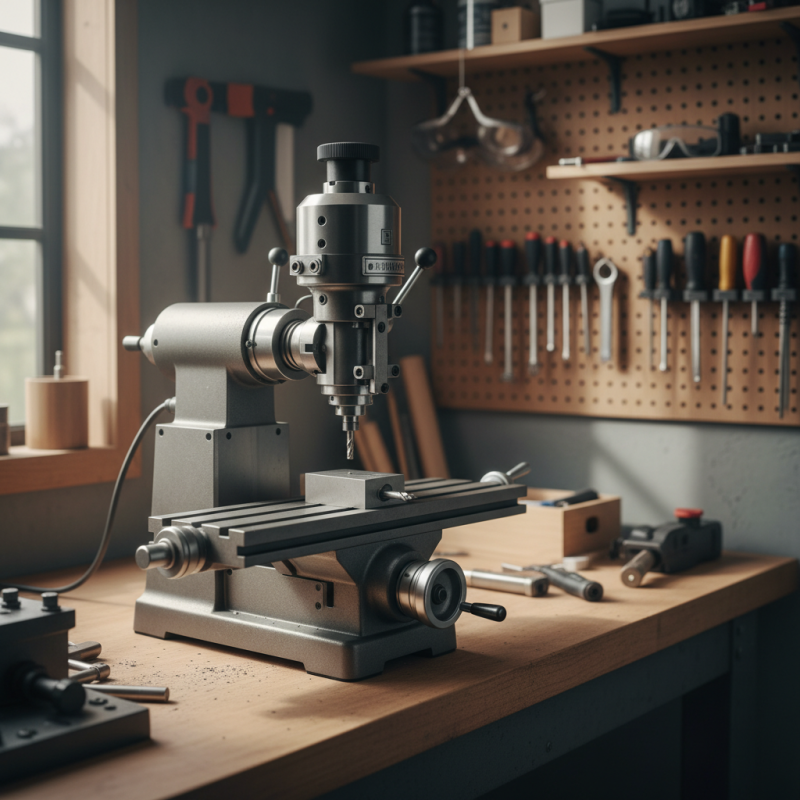
Top Tips for Choosing a Bench Top Milling Machine?
Choosing the right Bench Top Milling Machine is crucial for your projects. It can enhance precision and efficiency. However, many factors influence this decision, which can be overwhelming.
Consider the size and weight of the machine. A compact design is ideal for small spaces. Check the power and speed options available. These features will directly impact your milling capabilities. Examine the machine's versatility too. Can it handle different materials?
Also, think about your budget. High-quality machines can be expensive. Yet, cheaper options might lack essential features. Take time to research various models. Read user reviews to gather insights. Reflect on your specific needs and skills. This will help you make a more informed choice. Selecting the perfect Bench Top Milling Machine may take effort, but it is worth it for your success.
Understanding Bench Top Milling Machines: An Overview
Bench top milling machines are vital tools in workshops. They provide precision and versatility for various tasks. These machines are compact and designed for limited spaces, making them popular among hobbyists and small businesses.
When choosing a bench top milling machine, understanding its specifications is crucial. Look for features like cutting capacity and spindle speed. A machine with a higher spindle speed allows for faster and more efficient work. However, it’s essential to consider your specific needs. Sometimes, powerful machines can be overwhelming for smaller projects.
Pay attention to build quality and ease of use. A sturdy machine ensures stability during operation. Some may find advanced features useful, but others might struggle with complexity. Balancing functionality with user-friendliness is important. If you feel unsure, seek advice from experienced users. It’s normal to feel confused at first.
Key Specifications to Consider When Selecting a Milling Machine
When selecting a bench top milling machine, several key specifications should take priority. The size of the work area is crucial. A typical bench top machine offers a work surface between 24 inches to 32 inches. Machines with larger tables may provide additional versatility. However, they often come with a higher price tag and may require more space. Thus, assess your workspace before committing.
Another essential specification is the spindle speed. Most milling machines have a spindle speed ranging from 1,000 to 4,000 RPM. A higher speed is beneficial for softer materials, while lower speeds are needed for harder materials. Manufacturers report that a range of 2,000-3,000 RPM is optimal for general use, allowing for a balance between speed and torque.
Power consumption plays a significant role too. Machines typically operate on 110V to 220V, with power usage from 0.5 to 3 HP. It's essential to match your power supply accordingly. Some users overlook this, leading to underperformance. A machine that’s underpowered may struggle with tougher cuts, resulting in frustration and wasted materials. Users should routinely evaluate their machine's performance to ensure it meets operational standards.
Assessing Intended Use: Hobby vs. Professional Applications
When assessing intended use, distinguishing between hobby and professional applications is critical. Hobbyists often require versatility and portability in milling machines. A machine weighing around 50-150 pounds tends to be more manageable. Reports indicate that around 60% of hobbyists choose machines with a worktable area of about 19" x 8". This size is adequate for small projects and can fit in a home workshop without sacrificing space.
On the other hand, professionals prioritize durability and precision. A milling machine should ideally have a spindle speed range between 80 to 2000 RPM. Professional applications demand machines that can withstand extended use, often exceeding eight hours a day. Data shows that 70% of professionals prefer machines capable of handling heavier materials, like aluminum and steel. Machines with rigid construction and larger work areas tend to lead the market here.
Reflecting on the differences, it's essential to remember that choosing the right machine often requires compromise. Hobbyists may find themselves frustrated if they later need to upgrade. Professionals might struggle to balance cost and quality when selecting robust equipment. Both groups should consider future needs and potential growth in their projects.
Top Tips for Choosing a Bench Top Milling Machine
| Feature | Hobby Use | Professional Use |
| Motor Power | 0.5 - 1 HP | 1.5 - 3 HP |
| Table Size | 15" x 8" | 20" x 10" |
| Weight | 100 - 150 lbs | 200 - 400 lbs |
| Accuracy | ±0.005" | ±0.001" |
| Speed Range | 100 - 2000 RPM | 100 - 6000 RPM |
| Control Type | Manual | CNC or Manual |
| Price Range | $500 - $1500 | $2000 - $8000 |
Budgeting for Quality: Finding the Right Price Point
When budgeting for a bench top milling machine, quality often comes at a price. It's tempting to pick the cheapest option, but you might regret it later. A low-priced machine may lack durability. Its performance might frustrate you over time. You could end up spending more on repairs or replacements.
Find a balance between price and quality. Consider features that matter most to you. Do you need precision? Or is versatility your priority? Research user reviews to gauge long-term satisfaction. A mid-range price may offer a reliable option that meets your needs effectively. Think about the tools and accessories you might need later. These can add to your costs if overlooked.
Pay attention to the machine's specifications closely. A low initial price can hide future expenses. You may find that a slightly higher investment gives you better efficiency. Reflect on what you genuinely require versus what looks attractive. Sometimes, it's not just about the purchase; it's about how well it fits your specific tasks.
Maintenance and Support: Ensuring Longevity and Performance
Choosing the right bench top milling machine involves more than just purchasing. Maintenance and support are crucial for ensuring longevity and performance. Studies indicate that nearly 40% of machinery failures are directly tied to inadequate care. Regular maintenance can significantly reduce these risks.
One key tip is to develop a routine inspection schedule. Check all moving parts for wear and tear. Small issues can escalate quickly if not addressed. Lubricate components as recommended to prevent unnecessary friction. This simple step can extend the lifespan of your machine by up to 25%.
Don’t overlook the importance of proper storage. A dry, dust-free environment makes a difference. Dust buildup can lead to overheating, affecting performance. Invest in covers to protect your machinery when it’s not in use. Lastly, don’t hesitate to reach out for professional support when needed. Access to qualified assistance can save both time and money, ensuring your milling machine operates at peak efficiency.
Top Tips for Choosing a Bench Top Milling Machine
This bar chart represents the importance rating of key factors to consider when choosing a bench top milling machine. Durability is rated highest, followed by ease of use and maintenance requirements, highlighting crucial aspects for ensuring longevity and performance.