What is Polycarbonate Material and Its Benefits for Buyers?
Polycarbonate Material has gained significant attention in various industries. Its unique properties make it a preferred choice among manufacturers and consumers alike. This versatile plastic is known for its strength, durability, and lightweight nature. For buyers, understanding polycarbonate material is crucial before making decisions.
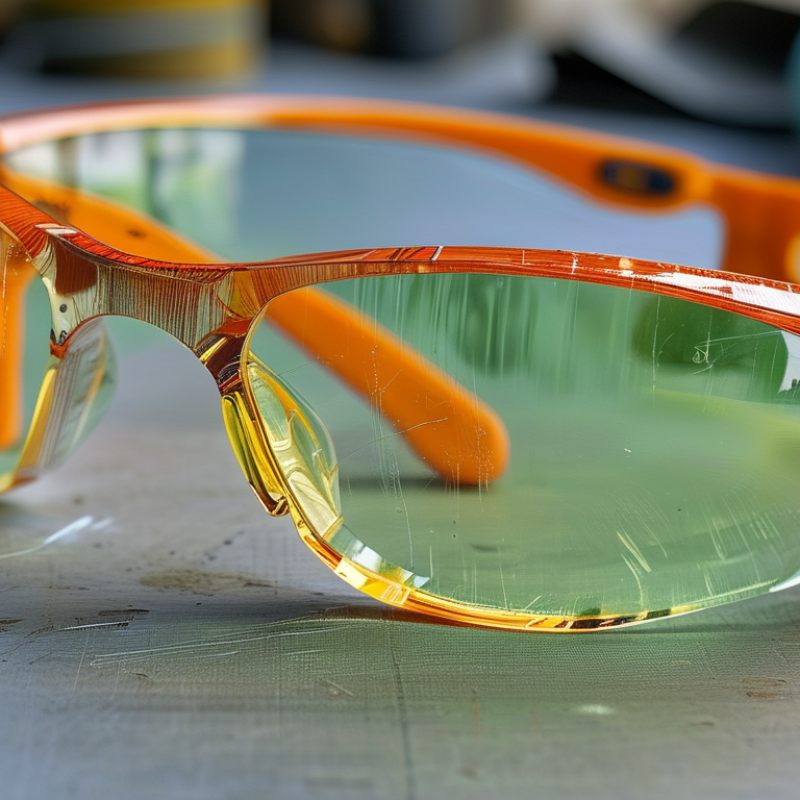
Advantages of polycarbonate material are numerous. It offers excellent impact resistance and high clarity, making it ideal for applications like eyewear and safety equipment. Despite its benefits, potential buyers should consider some drawbacks. The material can be prone to scratches, and its UV resistance may fade over time.
Educating yourself about polycarbonate material can lead to informed purchasing choices. With proper care, the advantages often outweigh the negatives. By exploring its applications and benefits, buyers can appreciate the value of polycarbonate in their projects and daily use.
What is Polycarbonate Material?
Polycarbonate material is a type of plastic known for its strength and versatility. It consists of polycarbonate resin, which is produced through polymerization. This resin has unique properties that make it suitable for various applications. According to the American Chemical Society, polycarbonate is five to ten times stronger than glass, yet much lighter. This property makes it a preferred choice in construction, automotive, and electronics industries.
One notable feature of polycarbonate is its high impact resistance. This material remains unbroken even under significant force. Additionally, it can withstand a range of temperatures. A report from Research and Markets indicates that polycarbonate demand is expected to grow by 6.2% annually through 2026. This growth is fueled by increased adoption in sectors like solar energy and consumer goods.
Tips: When selecting polycarbonate, consider thickness and UV resistance. Thicker sheets provide enhanced strength. Look for options with UV coatings to prevent yellowing. Polycarbonate can scratch easily, so choose protective films when necessary. Remember, not all polycarbonate products have the same properties, so evaluate them per your project needs.
What is Polycarbonate Material and Its Benefits for Buyers?
| Property | Description | Benefits |
| Durability | Impact-resistant material that can withstand high stress. | Long lifespan and reduced replacement costs. |
| Transparency | High optical clarity similar to glass. | Great for applications requiring visibility and light transmission. |
| Weight | Lightweight compared to glass of similar thickness. | Easier handling and installation in various applications. |
| Temperature Resistance | Can operate effectively in a wide range of temperatures. | Versatile for both hot and cold environments. |
| UV Resistance | Can be treated to resist UV rays. | Prevents yellowing and degradation over time. |
| Versatility | Used in various applications from safety glasses to greenhouses. | Adaptable for many industries and purposes. |
The Composition and Properties of Polycarbonate
Polycarbonate is a high-performance thermoplastic that is widely used in various industries. Its unique composition consists of carbonate groups, which provide strength and durability. This material is transparent, allowing for excellent visibility while also offering great impact resistance. Reports show that polycarbonate can withstand impacts up to 250 times stronger than glass. This makes it an ideal choice for safety applications.
The properties of polycarbonate include high temperature resistance and low moisture absorption. It remains stable across a wide range of temperatures, which enhances its longevity. Additionally, polycarbonate is lightweight, making it easier to handle and install. However, it can be prone to scratching, necessitating careful handling and appropriate surface treatments. This characteristic can sometimes be overlooked, raising concerns about long-term performance.
With impressive optical clarity and versatility, polycarbonate is used in eyewear lenses, protective gear, and architectural structures. Industry analyses indicate that the demand for polycarbonate in construction and automotive sectors is growing. Though the material offers many benefits, it is essential to consider its limitations. Balancing performance with potential vulnerabilities is crucial for any buyer evaluating polycarbonate solutions.
Advantages of Using Polycarbonate in Various Applications
Polycarbonate is a thermoplastic known for its durability and lightweight properties. It boasts high impact resistance, making it a preferred choice in various industries. According to a report by the Global Market Insights, the polycarbonate market is projected to reach USD 4 billion by 2026, emphasizing its growing significance. This material is commonly used in safety glasses, greenhouses, and even electrical components, thanks to its ability to withstand harsh environments.
One compelling advantage of polycarbonate is its excellent transparency. It allows up to 90% of light transmission, akin to glass but with half the weight. This feature is crucial for applications like skylights and safety barriers. Additionally, polycarbonate is UV resistant, ensuring longevity without yellowing over time. This characteristic is paramount for outdoor use, as documented in industry research highlighting its durability under extreme weather conditions.
Tip: When selecting polycarbonate, consider its thickness. Thicker sheets provide better insulation and impact resistance. Also, explore options with anti-scratch coatings for added protection. It's important to acknowledge that while polycarbonate is versatile, it can be prone to surface scratching if not handled with care. Proper maintenance is essential to maximize its lifespan and performance.
Comparison of Polycarbonate with Other Plastics
Polycarbonate is a popular thermoplastic known for its strength and versatility. When comparing polycarbonate to other plastics like acrylic and polyethylene, polycarbonate shines in terms of impact resistance. A report from the Material Research Society indicates that polycarbonate can withstand impacts nearly 200 times better than standard glass. This makes it an ideal choice for safety applications, such as eyewear and protective gear.
We also see differences in UV resistance. Polycarbonate has inherent UV blocking properties, meaning it doesn’t degrade as quickly when exposed to sunlight. Acrylic, on the other hand, can become brittle and lose clarity over time. According to the Plastics Industry Association, polycarbonate retains its optical clarity for over ten years in outdoor environments, while acrylic typically lasts around five years under similar conditions. However, polycarbonate can scratch more easily than acrylic, indicating a trade-off between durability and optical quality.
Cost is another vital factor. Polycarbonate is often more expensive than polyethylene, but its long-term benefits justify the investment. It provides more significant energy savings due to better insulation properties, as noted in a study by the National Institute of Standards and Technology. Yet, buyers should carefully consider their specific needs. Depending on the application, a less durable material might serve temporarily, looking for an optimal balance between cost and performance.
Tips for Choosing Polycarbonate Products for Your Needs
When choosing polycarbonate products, understanding your specific needs is vital. Consider the product’s intended use. Are you looking for durability or flexibility? Polycarbonate is renowned for its impact resistance and lightweight nature. This makes it suitable for applications ranging from safety goggles to roofing materials. However, keep in mind that not all polycarbonate finishes provide the same UV protection.
Try visualizing your environment and how the product will perform under different conditions. For example, some polycarbonate sheets can warp under extreme temperature fluctuations. This could affect their transparency and longevity. Assessing temperature impact is crucial. Additionally, think about installation requirements. Some products may need special tools for cutting or fitting.
Price is an important factor, but it should not be the sole consideration. Sometimes, cheaper options compromise on quality or performance. Instead of rushing, take time to compare features versus costs. Engage with knowledgeable suppliers who can offer insights. Their expertise can help refine your choices and lead to better outcomes.