What is the Plastic Effect and How Does it Impact Our Environment
The increasing presence of plastic in our environment has led to the emergence of the "plastic effect," a phenomenon that describes how plastic materials impact ecosystems, wildlife, and human health. According to Dr. Emily Johnson, a leading expert in environmental science, "The plastic effect is not just a scientific concern; it’s a reflection of our consumption habits and their lasting implications on nature." This highlights the urgency with which we must address the proliferation of plastic waste, which has become one of the most pressing environmental challenges of our time.
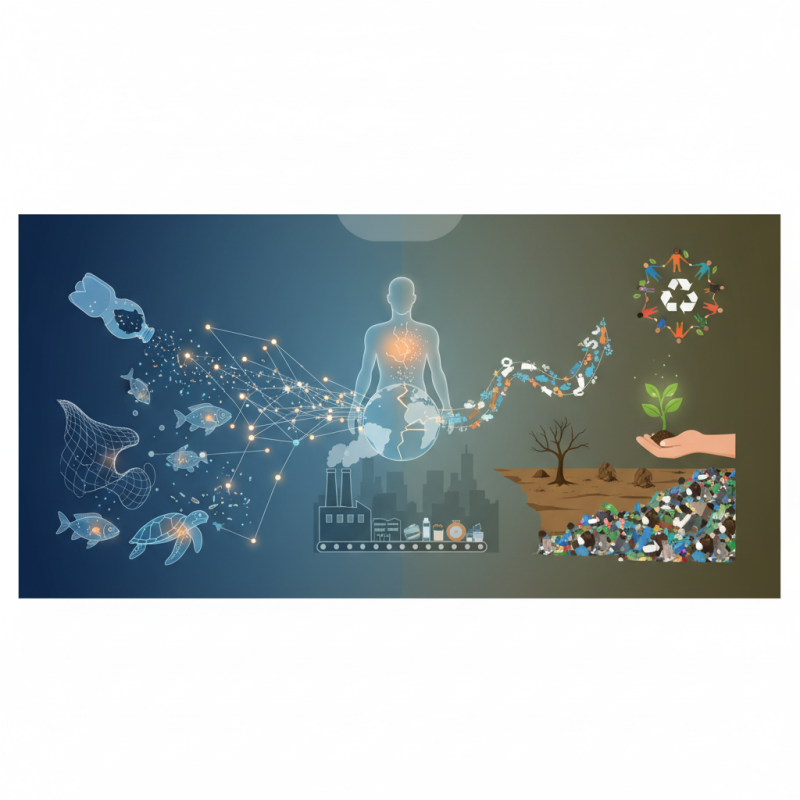
As plastics break down into microplastics and accumulate in various habitats, their effects ripple through food chains and ecosystems. The plastic effect extends beyond mere pollution; it encompasses the disruption of wildlife and the degradation of natural landscapes. In examining this phenomenon, we must consider both the environmental and social dimensions, as the consequences of plastic pollution are felt by communities worldwide. Understanding the plastic effect is crucial for developing sustainable solutions and fostering a collective commitment to reducing plastic waste.
Definition of the Plastic Effect and Its Mechanisms
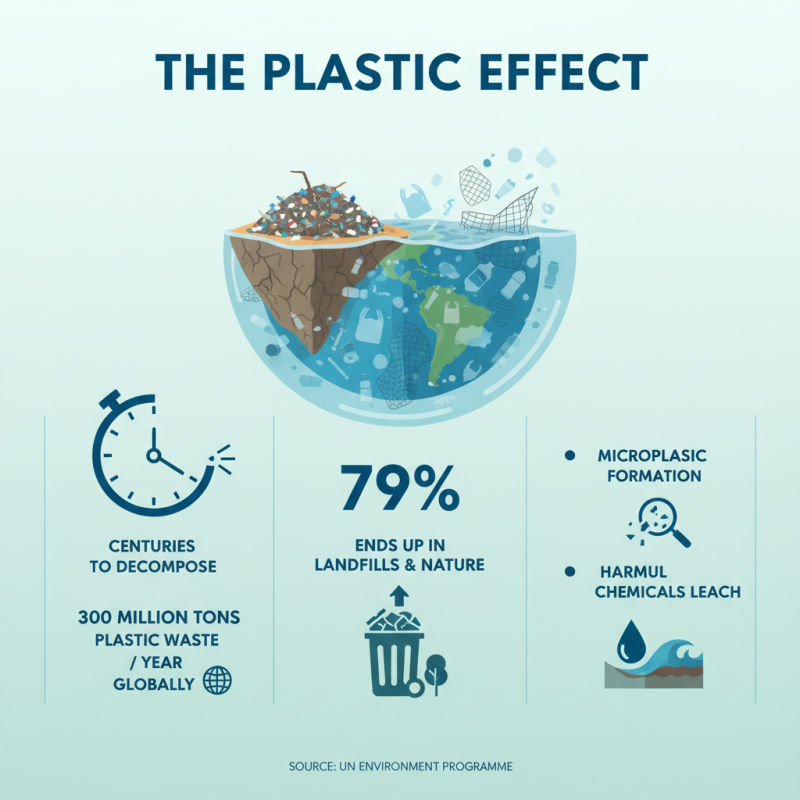
The Plastic Effect refers to the environmental consequences stemming from the persistent accumulation and degradation of plastics within ecosystems. This phenomenon is primarily driven by the long lifespan of plastic materials, which can take centuries to decompose. According to a report from the United Nations Environment Programme, approximately 300 million tons of plastic waste are generated globally each year, and it is estimated that 79% of this waste ends up in landfills or the natural environment. The mechanisms behind the Plastic Effect involve both physical and chemical processes, including microplastic formation and the leaching of harmful additives into soil and waterways.
These microplastics, which are tiny plastic particles measuring less than five millimeters in diameter, pose significant risks to marine life and food safety. A study published in the journal "Environmental Science & Technology" found microplastics in 93% of bottled water samples tested, indicating widespread contamination. Moreover, research conducted by the World Wildlife Fund indicates that marine species ingest microplastics at alarming rates, leading to potential bioaccumulation in the food web. This not only threatens biodiversity but also raises concerns for human health as these pollutants can transfer through the food chain, ultimately impacting global food security and environmental sustainability.
The Role of Plastic Materials in Modern Industries
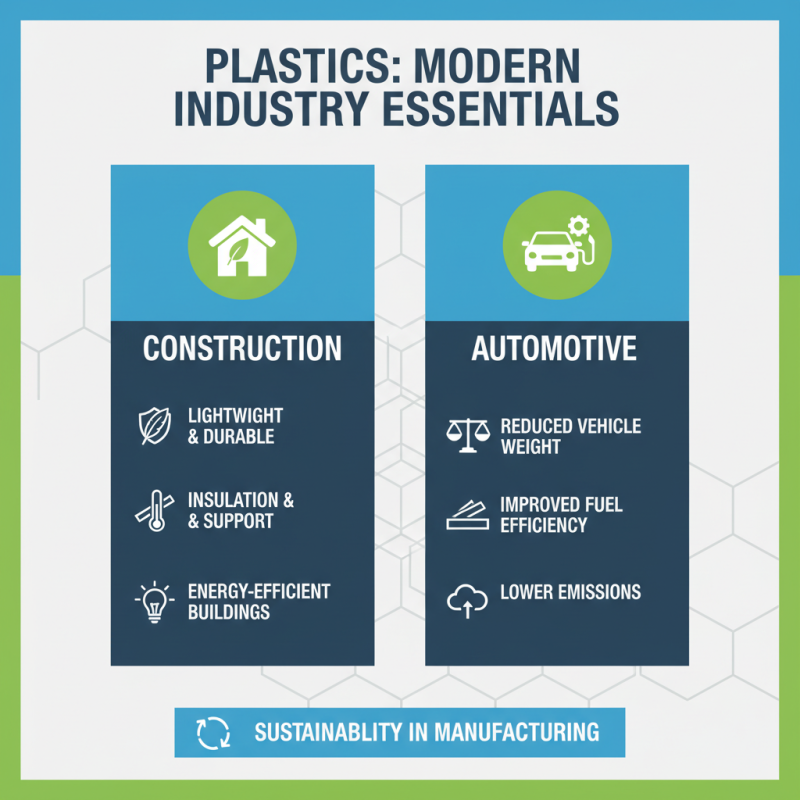
Plastic materials play a crucial role in modern industries, serving as essential components across various sectors. In construction, plastics are utilized for their lightweight and durable properties, offering advantages in insulation and structural support. They contribute to the development of energy-efficient buildings by enhancing thermal performance and reducing energy consumption. Moreover, in the automotive industry, plastics help in reducing vehicle weight, which directly correlates to improved fuel efficiency and lower emissions. This transformation towards lighter materials is indicative of a broader trend aiming to enhance sustainability in manufacturing processes.
In addition to construction and automotive applications, plastics significantly influence the medical sector. They are used to create sterile devices, packaging, and components that are crucial for patient safety and procedural efficiency. The ability to mold plastics into various shapes and sizes allows for innovation in medical technology, facilitating advancements in treatments and diagnostics. However, the reliance on plastic materials also raises concerns regarding environmental impact, highlighting the need for developing biodegradable alternatives and enhancing recycling processes to mitigate plastic waste. The balance between leveraging the benefits of plastic and addressing its environmental consequences remains a pressing challenge for industries today.
Environmental Consequences of Plastic Pollution
Plastic pollution has emerged as one of the most pressing environmental challenges of our time, affecting ecosystems, wildlife, and human health. According to a 2021 report by the United Nations Environment Programme (UNEP), at least 800 species worldwide are impacted by marine debris, primarily plastics. Marine animals often ingest or become entangled in plastic waste, leading to injury and death, and this has raised alarms about the broader ramifications for biodiversity and food chains.
The consequences of plastic pollution extend far beyond the ocean. Microplastics are now found in soil, freshwater, and even the atmosphere. A study published in Environmental Science & Technology estimates that around 2 million tons of microplastics are released into the environment each year. These tiny particles can enter the body through food and water, posing potential health risks to humans, contributing to issues ranging from immunological effects to harmful chemicals leaching into food sources.
Tips: To mitigate plastic pollution, consider adopting a zero-waste approach. Start by reducing single-use plastics in your daily life—carry reusable bags, bottles, and utensils. Additionally, participate in local clean-up events to help remove plastic waste from the environment while raising awareness in your community about the importance of cleaner ecosystems. Every small action counts in the fight against plastic pollution.
Strategies for Mitigating the Plastic Effect in Ecosystems
The plastic effect refers to the environmental impact caused by plastic pollution, which disrupts ecosystems and threatens biodiversity. To mitigate this effect, various strategies can be implemented. One effective approach is the reduction of single-use plastic. According to a report by the United Nations, around 300 million tons of plastic are produced every year, with approximately 50% being disposable. Encouraging the adoption of reusable alternatives, such as cloth bags and stainless-steel containers, can significantly decrease the amount of plastic waste entering our ecosystems.
Another strategy involves enhancing recycling processes and facilities. The World Economic Forum's report highlights that only about 9% of plastic produced globally is recycled. Improving recycling technology and expanding awareness regarding proper recycling habits can help divert plastics from landfills and oceans. Communities can implement local recycling programs that educate residents on sorting plastics effectively and reducing contamination, which hampers recycling efforts.
Tip: Consider participating in community clean-up events to help remove plastic waste from local habitats.
Additionally, promoting the use of biodegradable materials can also contribute to minimizing the plastic effect. Materials derived from natural sources, such as cornstarch and sugarcane, can serve as eco-friendly alternatives to traditional plastics. Policy initiatives that incentivize businesses to develop and use these sustainable materials can play a crucial role in the transition toward a greener future.
Tip: Support businesses that demonstrate sustainable practices and prioritize eco-friendly products.
The Future of Plastics: Innovations and Sustainable Alternatives
The future of plastics lies in the pursuit of innovative solutions and sustainable alternatives that can help mitigate their adverse environmental impact. Advances in material science are leading to the development of biodegradable plastics made from natural sources such as cornstarch and sugarcane. These bio-based materials are designed to break down more quickly in the environment compared to traditional petroleum-derived plastics, significantly reducing their long-term footprint. Additionally, innovations in recycling technology are enabling us to transform plastic waste into new products, creating a circular economy that minimizes resource extraction and waste generation.
Furthermore, researchers are exploring various alternatives to conventional plastics, such as biopolymers and even mushroom-based materials. These alternatives not only aim to reduce dependency on fossil fuels but also encourage the use of organic waste, boosting sustainability efforts. Educational initiatives and policy changes are also playing a crucial role in promoting awareness about these new materials, urging consumers and businesses alike to invest in eco-friendly options. As society shifts towards more responsible practices, the development of sustainable alternatives is essential for a future where plastics do not pose a threat to our ecosystems and health.
The Impact of Plastic Waste on the Environment
This chart illustrates the significant impact of plastic waste on various aspects of the environment, measured in millions of tons per year. As we can see, ocean pollution and landfill space are among the highest concerns, highlighting the urgent need for sustainable alternatives to plastics.