What is Master Batch and its Role in the Plastics Industry?
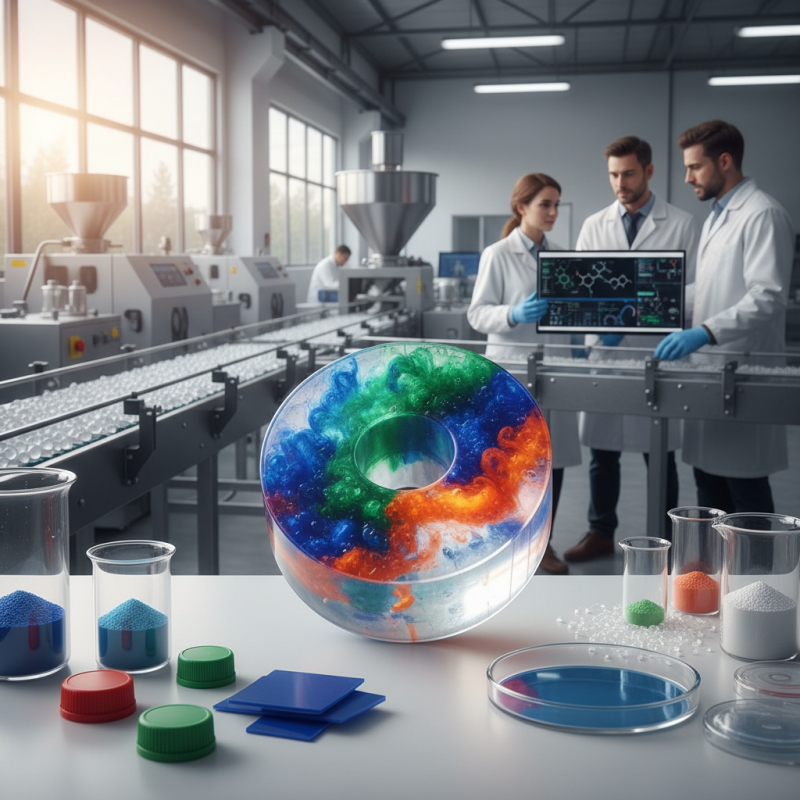
Master batch plays a crucial role in the plastics industry. It is a concentrated mixture of additives or pigments. These components are masterfully blended into a polymer carrier. This combination enhances the properties of plastic products.
In the era of sustainability, the importance of master batch is rising. It allows manufacturers to achieve precise color and performance. By using master batch, plastic processors can improve efficiency. However, poorly formulated master batches may lead to inconsistent quality. This can be a challenge for companies striving for excellence.
Moreover, the selection of master batch can affect the final product. Quality control is essential in this process. Master batch suppliers should have a solid reputation. Reliability in sourcing can impact production and costs. Understanding master batch is vital for anyone serious about the plastics industry. This journey invites reflection on balancing quality and innovation.
What is Master Batch?
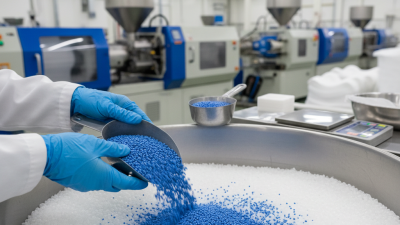
Masterbatch is a concentrated mixture of pigments and additives distributed in a carrier resin. It plays a crucial role in the plastics industry by enhancing the color and properties of plastic products. By using masterbatch, manufacturers can achieve vibrant colors and specific functionalities without compromising the quality of the base resin.
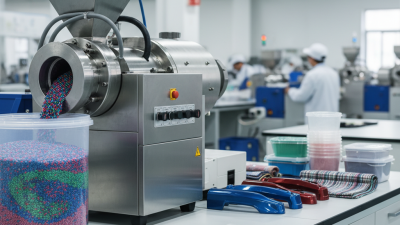
The application of masterbatch simplifies the production process. Instead of mixing raw materials individually, a manufacturer can add a masterbatch, which ensures uniform distribution of color and additives. This leads to more consistent product quality. However, not all masterbatches perform equally. Some may not disperse well, causing issues with coloration and physical properties. Selecting the right type and quality requires careful consideration.
Moreover, the environmental impact of masterbatch production is an important issue. While it can promote more sustainable manufacturing practices, the sourcing of raw materials can still raise ethical questions. The challenge lies in balancing performance and eco-friendliness. Considering the evolving market demands, the role of masterbatch will likely continue to evolve, making it essential for industry players to stay informed.
Composition and Types of Master Batches
Master batches are crucial in the plastics industry. They enhance the physical and aesthetic properties of plastic products. These concentrated mixtures simplify the production process. Master batches contain additives, pigments, and fillers. They enable the efficient coloring of polymers.
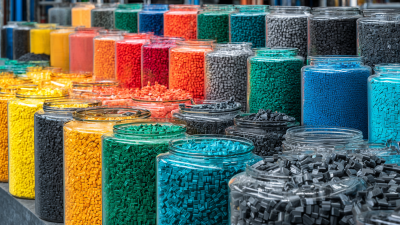
There are several types of master batches. Color master batches are the most common. They consist of pigments in a polymer carrier. These help achieve consistent color in finished goods. Additive master batches improve material properties. For example, they can enhance UV resistance, flame retardancy, or anti-static characteristics. According to a recent industry report, the market for master batches is expected to surpass $14 billion by 2025.
Komposite master batches combine multiple functions. They can include both color and specific additives in one product. This versatility is appreciated by manufacturers. However, ensuring uniform dispersion in the master batch can be challenging. It often requires careful testing and adjustment. The industry constantly evolves, emphasizing sustainable practices. More eco-friendly alternatives are being developed, responding to environmental concerns. Balancing performance and sustainability remains an ongoing challenge in the sector.
Functions and Benefits of Master Batches in Plastics
Master batches play a critical role in the plastics industry. These formulations enhance the properties of polymer materials, making them more versatile and functional. According to a recent report from Grand View Research, the global masterbatch market is projected to reach approximately $14.5 billion by 2026. This growth highlights their significance in improving manufacturing processes.
One of the key functions of master batches is their ability to impart color and improve the aesthetics of plastic products. Master batches allow for precise color matching without the need for large quantities of pigment, hence reducing waste. They also enhance the physical characteristics of plastics. For instance, adding specific fillers can improve strength and heat resistance. However, there are challenges. Not all master batches produce uniform results, leading to potential inconsistency in end products.
The benefits of using master batches extend beyond aesthetics. They can offer functional advantages such as UV protection and flame retardancy. The integration of these additives can lead to better durability and improved performance of plastic items. Yet, companies must find a balance. Over-reliance on master batches can complicate recycling efforts. In some cases, they may hinder the environmental benefits of recycled plastics.
Applications of Master Batches in Various Industries
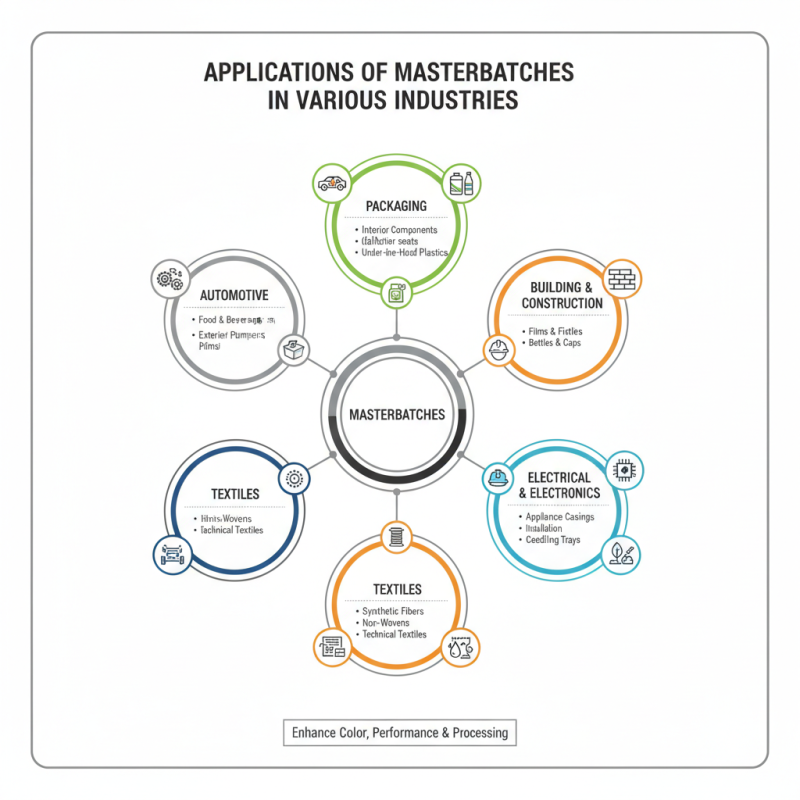
Master batches are concentrated mixtures used to enhance plastics production. They contain pigments, additives, or fillers pre-dispersed in a carrier resin. These mixtures improve color consistency and performance properties. Various industries utilize master batches extensively, tailoring their features for diverse applications.
In the automotive industry, master batches provide color and functional benefits. They can improve UV resistance, ensuring longevity under harsh conditions. Additionally, they allow for easy color changes during production. In packaging, they enhance visual appeal while adding properties like anti-static and antimicrobial effects. This versatility makes master batches essential in packaging materials.
Tips: Choose the right master batch for your application. Test different formulations for optimal results. Stay updated on industry trends for innovations in master batch technology. Consider sustainability in your choices; bio-based master batches are gaining popularity.
Future Trends and Innovations in Master Batch Technology
Master batch technology is evolving rapidly within the plastics industry. Innovations in colorants and additives are enhancing the performance and aesthetics of plastics. The shift towards sustainable materials is increasingly relevant. Companies are seeking eco-friendly master batches made from biodegradable elements. This innovation not only reduces waste but also meets consumer demand for greener products.
Additionally, advancements in technology are making master batch production more efficient. Automated processes improve consistency and reduce errors. However, challenges remain. Not all manufacturers have access to these technologies, leading to disparities in product quality. It opens a conversation about the industry’s need to bridge this gap.
Looking ahead, the importance of customization grows. Master batches tailored for specific applications can deliver enhanced properties. For instance, tailored UV resistance or flame-retardant features are increasingly required. This movement towards personalization challenges businesses to innovate. However, it also requires careful management of resources and supply chains. Balancing customization with environmental responsibilities will shape the future of master batch technology.