Ultimate Guide to Using Plastic Filler for Perfect Repairs and Projects
When it comes to achieving flawless repairs and projects, understanding the use of plastic filler is essential. This versatile substance is a go-to solution for a wide range of applications, from automotive repairs to home improvement tasks. Whether you're patching up dents, filling gaps, or smoothing out surfaces, mastering the techniques associated with plastic filler can significantly enhance the quality of your work. By learning how to select the right type of filler and apply it correctly, you can achieve professional results that stand the test of time.
In this ultimate guide, we will explore the various aspects of working with plastic filler. From preparation to application and finishing techniques, we will provide you with invaluable tips and insights to tackle any project with confidence. Understanding the properties of plastic filler and its ideal uses will empower you to make informed decisions that elevate your repair skills. Whether you are a DIY enthusiast or a seasoned professional, this guide aims to unlock the full potential of plastic filler, ensuring your projects not only meet but exceed expectations.

Understanding Plastic Fillers: Types and Applications
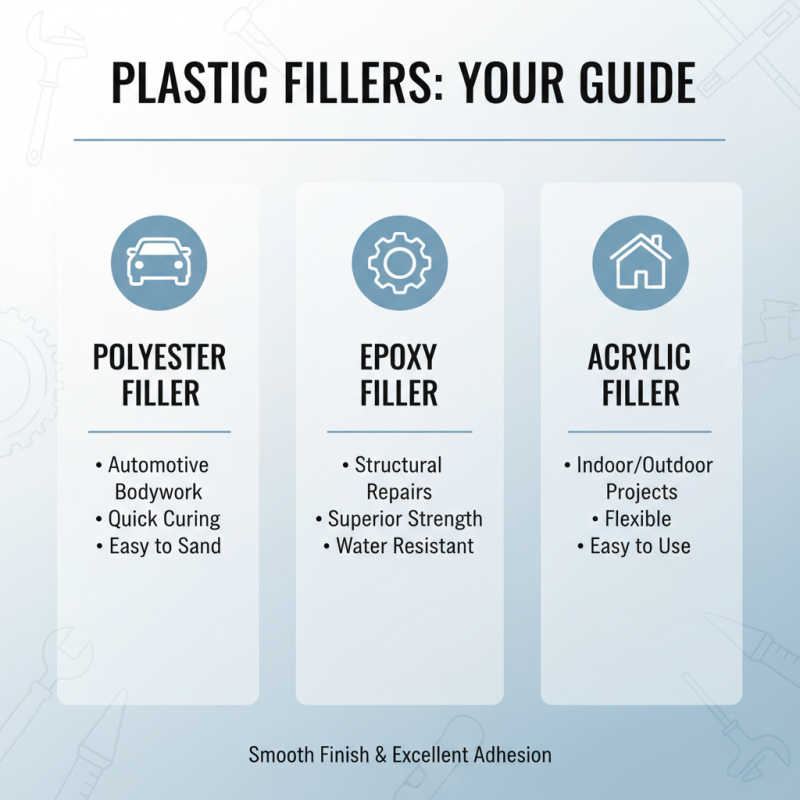
Plastic fillers are versatile materials used in various repair and crafting projects, offering a smooth finish and excellent adhesion. There are several types of plastic fillers, each designed for specific applications. Common types include polyester fillers, epoxy fillers, and acrylic fillers. Polyester fillers are widely used for automotive bodywork due to their quick curing time and ease of sanding. Epoxy fillers, on the other hand, provide superior strength and water resistance, making them ideal for structural repairs. Acrylic fillers are often favored for their flexibility and ease of use, suitable for both indoor and outdoor projects.
When selecting a plastic filler, consider the nature of your project and the materials being repaired. For instance, if you're working on wood, an acrylic filler that matches the flexibility and expansion of the wood can yield the best results. For metal surfaces, epoxy fillers are often the go-to option given their robust bonding capabilities. Additionally, the application method can influence your choice; for example, some fillers require power tools for optimal application, while others can be effortlessly applied with a putty knife. Understanding these different types of plastic fillers and their corresponding applications will empower you to make informed decisions for achieving flawless repairs and high-quality finishes in your projects.
Essential Tools and Materials for Effective Plastic Filler Use
When undertaking repairs and projects that involve plastic filler, the choice of tools and materials can heavily influence the outcome. According to a recent study by the Plastic Industry Association, approximately 70% of professionals emphasize that the right application tools can make a noticeable difference in the ease and quality of the repair process. Essential tools include a versatile putty knife, which allows for precise application and smoothing of the filler, ensuring a seamless finish. Additionally, various grades of sandpaper, such as 120-grit for initial sanding and finer grits for finishing, are crucial for achieving a polished surface that blends well with the surrounding area.
Moreover, the type of plastic filler used also plays a vital role in the success of the project. Reports indicate that fillers with superior adhesion properties can reduce the occurrence of cracks or separations post-application. It’s advisable to select fillers that are specifically formulated for the type of plastic being repaired—whether it's PVC, ABS, or another variety. Industry standards suggest that utilizing fillers with compatible chemical properties enhances durability and extends the lifespan of the repair, ultimately making the endeavor more cost-effective. Therefore, understanding which tools and materials to use is essential for anyone looking to execute flawless repairs with plastic filler.
Plastic Filler Usage Analysis
Step-by-Step Guide to Preparing Surfaces for Plastic Filler
Preparing surfaces for plastic filler is a crucial step to ensure a smooth and durable repair. Begin by cleaning the area thoroughly to remove any dust, grease, or old paint. Use a mild detergent mixed with water or a suitable solvent to wipe the surface clean. After cleaning, rinse the area with water and let it dry completely. This step not only helps in adhering the filler but also prevents future issues like peeling or flaking.
Once the surface is clean and dry, inspect it for any imperfections such as holes, cracks, or scratches. For larger holes, it’s essential to reshape the damaged area by using a suitable tool, like a scraper or chisel, to create a clean edge. This will help the filler bond more effectively. If the surface is textured, consider roughing it up slightly with sandpaper to promote better adhesion. Finally, apply a primer if necessary, especially on porous surfaces, to create a strong foundation for the plastic filler. Following these preparation steps will enhance the quality of your repair project and ensure that the filler sets correctly for a professional finish.
Ultimate Guide to Using Plastic Filler for Perfect Repairs and Projects
| Step |
Preparation Task |
Materials Needed |
Estimated Time |
Tips |
| 1 |
Clean the Surface |
Soap, Water, Cloth |
15 minutes |
Ensure no dust or dirt remains. |
| 2 |
Sand the Area |
Sandpaper (80-120 grit) |
10 minutes |
Create a smooth, rough surface for adhesion. |
| 3 |
Apply Plastic Filler |
Plastic filler, Putty knife |
5-10 minutes |
Work quickly for even results. |
| 4 |
Let It Cure |
None |
30-60 minutes |
Check the packaging for exact times. |
| 5 |
Sand Smooth |
Sandpaper (220 grit) |
10 minutes |
Ensure a uniform finish. |
| 6 |
Paint or Finish |
Paint, Brush or Spray |
15-30 minutes |
Choose the right paint for the surface. |
Techniques for Applying and Smoothing Plastic Fillers
Applying and smoothing plastic fillers is a crucial skill for achieving seamless repairs in various applications, from automotive bodywork to household repairs. According to the American Composites Manufacturers Association, the global composite materials market is projected to grow to $32 billion by 2025, highlighting the increased reliance on versatile materials like plastic fillers. Mastering the techniques of application and finishing can significantly impact the durability and appearance of your repairs.
To successfully apply plastic filler, it is important to start with proper surface preparation. Clean the area thoroughly to remove dirt and grease, ensuring that the filler adheres effectively. Once prepped, use a plastic spreader to apply the filler evenly, working it into any cracks or voids. An optimal application thickness is typically between 1/8 to 1/4 inch, as excessive thickness can lead to cracking during the curing process. According to industry reports, fillers that cure too quickly can shrink, causing imperfections; thus, selecting the right product for your project is vital.
After application, smoothing the filler is the next critical step. Once cured, use sandpaper or a sanding block to shape the filler to match the surrounding surface. Start with a coarser grit paper (around 80 to 120) for initial shaping, then gradually move to finer grits (220 to 400) to achieve a smooth finish. Studies show that proper sanding technique can reduce the time spent on finishing by up to 30%, allowing for more efficient project completion while still achieving professional results. By mastering these techniques, you can ensure that your plastic filler projects lead to flawless and lasting results.
Curing and Finishing: Ensuring Durable and Flawless Repairs
When working with plastic filler for repairs and projects, proper curing and finishing techniques are crucial to achieving durable and flawless results. Curing is the process by which the filler hardens and bonds with the surface, and it’s essential to follow the manufacturer’s recommended drying times and conditions. Factors such as temperature and humidity can significantly impact the curing process, so it is vital to work in suitable environmental conditions. Allowing sufficient time for the filler to cure not only enhances its strength but also prevents issues like shrinkage or cracking once the repair is complete.
Finishing touches are equally important to ensure an aesthetically pleasing appearance. Once the filler has cured completely, sanding it down to a smooth and even finish is critical. A progressive approach, starting with coarse sandpaper and gradually moving to finer grits, will result in a seamless blend with the surrounding material. After sanding, a thorough cleaning of the area helps remove any dust or debris that could interfere with the final appearance. Applying a primer before painting can further enhance the finish, providing a consistent base for color application and ensuring that the repair remains vibrant and intact over time. With careful attention to both curing and finishing, the quality of your repairs will be significantly improved, leading to more professional and long-lasting results.