
Choosing Water Supply Tanks is not simply a matter of comparing capacity and price. A tank may look suitable in a product photo, yet fail under ultraviolet exposure, freezing temperatures, or irregular water pressure. Global buyers must examine the complete operating environment.
The WHO and UNICEF Joint Monitoring Programme reported that 2.2 billion people lacked safely managed drinking water in 2022. This figure highlights the importance of secure storage, especially where supply interruptions are common. The UN World Water Development Report 2024 also connects water stress with climate change, population growth, and rising competition between users. Tank demand is becoming more practical, not merely commercial.
Material safety matters. For potable applications, buyers should request evidence aligned with recognized requirements such as NSF/ANSI/CAN 61, WRAS, or relevant national standards. Installation guidance from organizations such as the American Water Works Association also emphasizes access, inspection, overflow control, and hygienic maintenance. These details affect real performance. A poorly positioned inlet can disturb sediment. An unprotected vent can introduce dust, insects, or contaminated air.
There is no perfect specification sheet. This guide cannot remove every uncertainty. However, it can help buyers ask sharper questions about material, volume, fittings, warranty, transport, and after-sales support. A 10,000-liter tank is not automatically better than a 5,000-liter model. It may create unnecessary structural loads, cleaning costs, and unused water. The right decision depends on demand patterns, climate, site conditions, regulatory expectations, and credible supplier evidence.
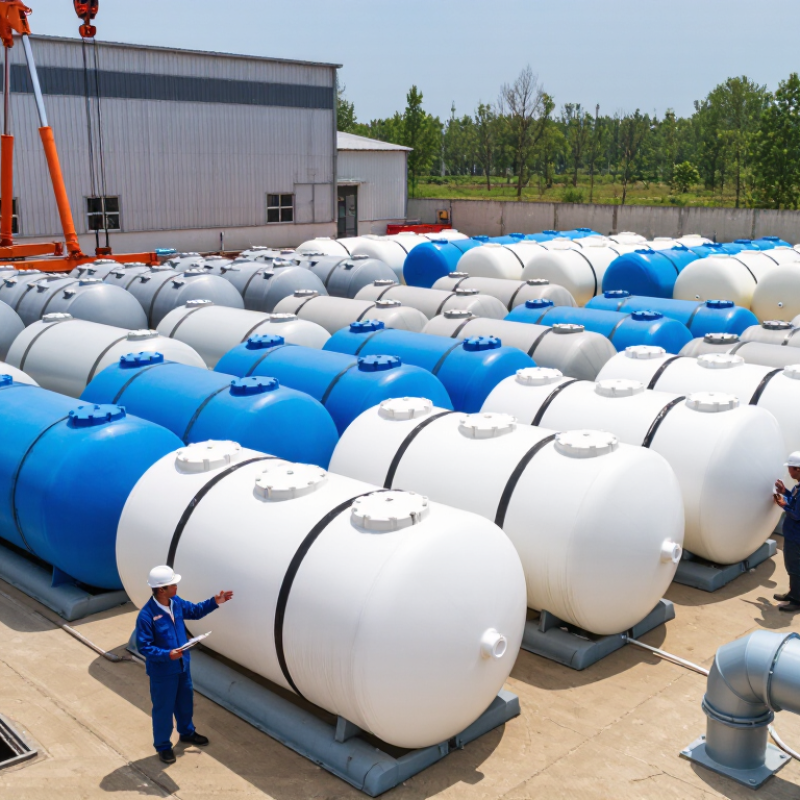
For global buyers, tank selection starts with measured water demand, not tank shape. The WHO’s Domestic Water Quantity, Service Level and Health report often uses 50–100 litres per person daily for basic household needs. Actual use varies with climate, hygiene habits, livestock, and business activity. The WHO and UNICEF Joint Monitoring Programme reported that 2.2 billion people lacked safely managed drinking water in 2022. Reliability matters.
List every demand source. Include drinking, toilets, washing, cleaning, irrigation, and process water. For example, 20 users at 80 litres daily need 1,600 litres before losses. Add a reserve based on delivery delays and supply interruptions. Do not simply purchase the largest available tank. Oversizing increases structural loads, stagnant-water risk, and cleaning costs. This estimate is not perfect. Measure real consumption for several weeks when possible.
Installation conditions can change the correct tank completely. Check roof loading, foundation strength, access for lifting, pipe routes, overflow discharge, drainage, and maintenance clearance. Hot climates may accelerate biological growth, while freezing conditions can damage valves and connections. AWWA Manual M42 highlights the importance of site assessment, structural design, and inspection for water-storage systems. The WHO Guidelines for Drinking-water Quality also stress preventing contamination during storage and distribution. Keep the tank shaded where practical, protect vents, and separate potable-water fittings from non-potable systems. A rushed site survey creates expensive surprises.
Tank material should match the water, climate, and installation site. Polyethylene tanks resist many chemicals and suit lightweight installations. Steel tanks provide strong capacity, but coatings and corrosion control require regular attention. Concrete tanks handle large volumes well, yet they need careful waterproofing and foundation design. For drinking water, request documented compliance with the destination market’s safety standards. Never rely on a generic “food-grade” statement alone.
Shape affects both capacity and maintenance. Vertical tanks save ground space, while horizontal tanks may suit low-clearance sites. Cylindrical walls usually distribute water pressure more evenly than sharp-cornered designs. Check access openings, outlet height, overflow routing, and cleaning space before ordering. I have seen buyers choose a tank by volume alone, then discover that a forklift or service worker cannot reach the site. That mistake is costly.
Tips: Confirm wind, snow, seismic, and underground pressure requirements with a qualified engineer. Ask for wall-thickness calculations, support details, and material certificates. Inspect the foundation plan, especially on soft or uneven soil. Leave room for thermal movement and future fittings. A larger tank is not always safer. Poor anchoring can still cause movement, cracking, or pipe damage. Be cautious with imported dimensions; metric and imperial fittings may not match. Local water conditions can also change material performance over time.
When buying a water supply tank across borders, quality paperwork matters as much as capacity. Ask for current test reports, material traceability, and production inspection records. Confirm the tank meets recognized standards for potable-water contact, structural strength, and hygiene. Requirements differ by country. A certificate alone is not enough. Check its scope, test date, and issuing laboratory. If documents use unclear translations, request the original files. Small gaps deserve attention.
Safety features should be visible, not hidden in a sales sheet. Look for a secure access cover, screened vents, overflow control, level indicators, and a drain for cleaning. Tanks installed outdoors may need anchoring against wind, vibration, or earthquakes. Ask how the design handles thermal expansion and repeated filling cycles. Check seals and fittings for compatible, non-toxic materials. Buyers often focus on volume and overlook maintenance access. That mistake becomes expensive. A narrow opening can turn routine cleaning into a difficult job.
Environmental suitability begins at the installation site. Compare the tank material with sunlight, heat, freezing weather, humidity, soil conditions, and local water chemistry. UV-resistant surfaces help, but they do not replace shade or proper support. In cold regions, insulation and freeze protection may be essential. In coastal areas, corrosion-resistant fittings deserve closer review. Consider transport distance, repair availability, and end-of-life recycling. My own checklist is not perfect. Rechecking assumptions with a local engineer often reveals one overlooked risk. Good buying decisions require evidence, not attractive promises.
10 Water Supply Tank Buying Tips for Global Buyers
Evaluate suppliers before comparing quotes. The WHO/UNICEF Joint Monitoring Programme reported that 2.2 billion people lacked safely managed drinking water in 2022. Storage reliability therefore affects real public health outcomes. Ask for factory audit records, material traceability, and recent quality-control results. Confirm where resin, steel, seals, and fittings originate. A polished brochure proves very little.
Manufacturing quality deserves physical evidence. Request wall-thickness maps, welding procedures, leak-test records, and ultraviolet-resistance data. For potable applications, require testing against relevant drinking-water-contact standards. Check tank dimensions, inlet positions, access covers, and transport protection. Small design errors create difficult installation problems. Pricing must include freight, unloading, foundations, valves, taxes, and replacement parts. The cheapest quotation is rarely the cheapest project.
Warranty terms need careful reading. Require written coverage for structure, coating, fittings, and workmanship. Ask whether labor and international shipping are included. Define inspection duties, claim evidence, response times, and exclusions. Some warranties look generous but exclude sunlight, poor foundations, or water chemistry. That matters. The Global Water Intelligence market outlook has repeatedly highlighted rising investment needs across water infrastructure, but budgets remain pressured. A supplier should explain price changes openly. I would still leave room for doubt: laboratory data may not predict every field condition, and one reference call is not enough. Verify independently.
Buying a water supply tank requires more than comparing capacity and price. Plan delivery before placing the order. Confirm road access, unloading equipment, door widths, and the final storage area. A tank may fit the site but fail to pass through a narrow gate. Measure twice. Leave room.
Use a level, load-bearing foundation designed for the tank’s full operating weight. Installation should follow the manufacturer’s technical instructions and local engineering requirements. Keep outlets accessible for inspection and valve replacement. A qualified installer should check supports, connections, overflow routes, and leak protection. During inspection, examine seams, fittings, internal surfaces, and visible damage from transport. Record photographs, test results, and installation dates. These records help resolve problems later.
Cleaning plans should match the stored water, tank material, and operating environment. Remove sediment carefully, use suitable cleaning tools, and rinse thoroughly before returning the tank to service. Never rely on appearance alone. Test water quality when the application requires it. Schedule inspections after severe weather, unusual pressure changes, or long periods of inactivity. Check covers, vents, ladders, seals, and corrosion points during routine maintenance. My own early planning once focused too heavily on delivery time and overlooked cleaning access. That mistake was inconvenient and avoidable. Build maintenance into the purchase decision, not as an afterthought. A lower initial cost can become expensive when workers cannot safely reach the tank or replacement parts.
WhatsApp us