
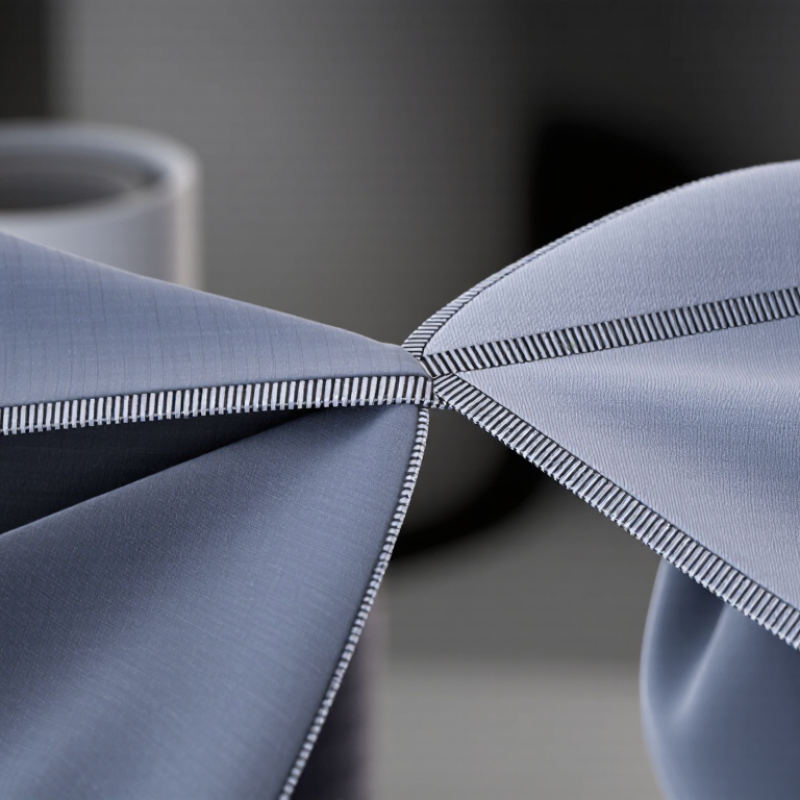
Flat Lock is a low-profile seam construction used in sportswear, underwear, base layers, and fitted garments. It joins fabric edges while keeping the seam relatively smooth against the skin. Unlike a raised overlock seam, a flatlock seam can reduce rubbing beneath a waistband, sleeve, or running vest. The result feels practical. Sometimes, comfort matters more than appearance.
Industrial sewing references commonly associate flatlock production with multi-needle coverstitch and specialized flatseam machines. ISO 4915 classifies stitch types, including coverstitch structures used in stretch garments. ISO 13935-2 also provides a recognized method for testing seam strength. These standards help manufacturers assess performance rather than relying only on visual inspection. A seam may look clean but still fail after repeated stretching.
Market research from Grand View Research and Technavio continues to identify activewear, athleisure, and performance apparel as important growth areas. Their reports emphasize comfort, stretch, and durability as major purchasing factors. Flat Lock supports those expectations when thread tension, needle selection, fabric recovery, and machine settings are correctly controlled. Textile Exchange’s materials reporting also highlights the need for more responsible textile production, reminding manufacturers to consider fabric waste and product lifespan.
The method is not perfect. It may require specialized equipment, careful sampling, and skilled operators. Thick fabrics can create uneven joins. Lightweight fabrics may show needle damage. A reliable process should include wash tests, stretch testing, and inspection under real movement. That is where experience matters. Flat Lock is more than a decorative seam; it is a performance decision shaped by fabric, construction, and end use.
What Is Flat Lock and How Is It Used?
What Is a Flat Lock Stitch?
A flat lock stitch joins fabric panels with a nearly level seam. The fabric edges meet or overlap, while looped threads secure both sides. Unlike a raised overlock seam, it feels smooth against the skin. This makes it useful for sportswear, underwear, base layers, and lightweight knit garments.
Industrial flat lock machines usually use several needles and loopers. Their thread formation spreads across the seam surface. Correct tension prevents ridges, skipped stitches, and irritating thread chains. ASTM D6193 identifies seam construction and evaluation methods for sewn products. However, a flat lock stitch is not automatically stronger. Stretch direction, thread choice, stitch density, and fabric recovery still control performance. Textile Exchange’s Materials Market Report 2024 recorded global fiber production at 132 million tonnes in 2023. That scale makes efficient, durable construction increasingly important, though seam efficiency alone cannot solve textile waste.
Tips: Test the stitch on the actual fabric first. Stretch the sample sideways and lengthwise. Check whether the seam opens, waves, or scratches. Reduce needle tension carefully. Excessive tension can damage fine knits. A practical fitting test matters more than a perfect machine setting. I have found that a seam can look clean on the table, then fail during movement. Allow room for that mistake.
A flat lock machine creates a low-profile seam by interlacing threads across fabric layers. Unlike a conventional seam, it leaves less bulk against the skin. This makes it useful for sportswear, underwear, knit garments, and stretch fabrics.
Inside the machine, feed dogs move the fabric beneath the needle area. One or more needles pierce the fabric and carry thread downward. Loopers catch and guide the threads under the material. On some machines, a spreader opens the loops before the next stitch forms.
The needle and looper movements must remain synchronized. Even a small timing error can cause skipped stitches or broken thread. Some machines trim the edge while sewing. Others work on pre-cut fabric. Differential feeding helps control fabric stretch. It can prevent wavy seams, but it cannot solve every feeding problem.
An operator normally tests thread tension, stitch width, and presser-foot pressure on a fabric sample. Watch the seam closely. A balanced flat lock should lie smoothly without tight ridges or loose loops. Excessive pressure may mark lightweight knits. Too little pressure can cause uneven feeding.
The best setting depends on fabric recovery, thickness, and thread type. In practical testing, careful adjustments often outperform fast production settings. The result is not always perfect. A machine may appear simple above the table, yet its underside largely controls the final seam.
Flat lock seams are low-profile seams made by joining fabric edges with minimal overlap. They reduce bulk and help prevent rubbing against the skin. This construction often uses multiple rows of thread, creating a smooth, slightly raised line on one or both sides. In practical garment testing, the inside seam matters most. A neat stitch can still feel rough after repeated movement. Flat lock is not automatically stronger than every other seam, either. Its real advantage is comfort, flexibility, and a clean finish.
Flat lock works especially well with stretch fabrics, including jersey, fleece, merino blends, and lightweight synthetic knits. These materials move with the body and benefit from seams that stretch without digging into the skin. Common garments include base layers, leggings, cycling clothing, underwear, sleepwear, and fitted sports tops. Flat lock can also add a visible design detail on the outside. It is less suitable for some heavy woven fabrics or unstable materials that fray easily. Fabric weight, stretch recovery, and seam direction should guide the choice.
A flat lock seam joins fabric edges with overlapping stitches, creating a smooth surface. It is common in sportswear, underwear, and lightweight knit garments. The seam reduces rubbing against skin, but it requires careful tension control. ASTM D6193 identifies stitch balance, seam appearance, and performance as important inspection points.
Begin with a stable fabric sample, preferably the same knit used in the garment. Mark a 1.5-centimeter seam allowance. Place the fabric edges together or slightly overlap them, depending on your machine setup. Select a two-needle or three-thread flat lock configuration. Reduce needle tension gradually, then test the looper tension. A balanced stitch should lie flat without curling the fabric.
Sew slowly along the marked line. Keep the fabric relaxed. Stretching it can create ripples after washing. Open the seam immediately and press it gently with your fingers. Check the reverse side for skipped stitches and loose loops. The first sample may look uneven. That is useful. I still retest settings when fabric weight changes.
WRAP’s Valuing Our Clothes research estimated that extending clothing life by nine months can reduce carbon, water, and waste footprints by about 20–30 percent. A dependable flat lock seam may support that goal, but durability depends on fabric, thread, laundering, and stitch density. Textile Exchange reported global fiber production at about 124 million tonnes in 2023, making careful construction increasingly important. Not every flat seam lasts. Testing remains necessary.
What Is Flat Lock and How Is It Used?
What Are the Main Benefits and Limitations of Flat Locking?
Flat locking joins fabric edges with a low-profile seam. The seam lies almost level with the fabric, so it feels smooth against skin. This construction is common in leggings, base layers, underwear, and lightweight sportswear. In production, operators often use two or three needles with several loopers. Seam width commonly ranges from 3 to 6 millimeters, depending on fabric weight and machine settings.
Comfort is the strongest benefit. A well-balanced flatlock reduces rubbing, bulky ridges, and pressure under tight garments. It can also cover raw edges, improving appearance and reducing fraying. WRAP’s Valuing Our Clothes report found that extending clothing life by nine months could reduce carbon, water, and waste footprints by about 20–30%. Flat locking cannot create that result alone. However, a stable seam may support longer wear when thread tension and fabric selection are correct.
There are limitations. Flatlock machines need careful adjustment, especially with stretch fabrics. Excessive tension can cause rippling, while weak tension may leave gaps. The seam may also snag more easily than a covered overlock seam. It is not the best choice for thick denim or highly loaded workwear. Textile Exchange reported global fiber production at about 124 million tonnes in 2023, making durability decisions increasingly important. Still, I would not promise that flat locking always lasts longer. Testing remains necessary. An ISO-based seam-strength test can reveal failures that a comfortable fitting session may miss.
WhatsApp us