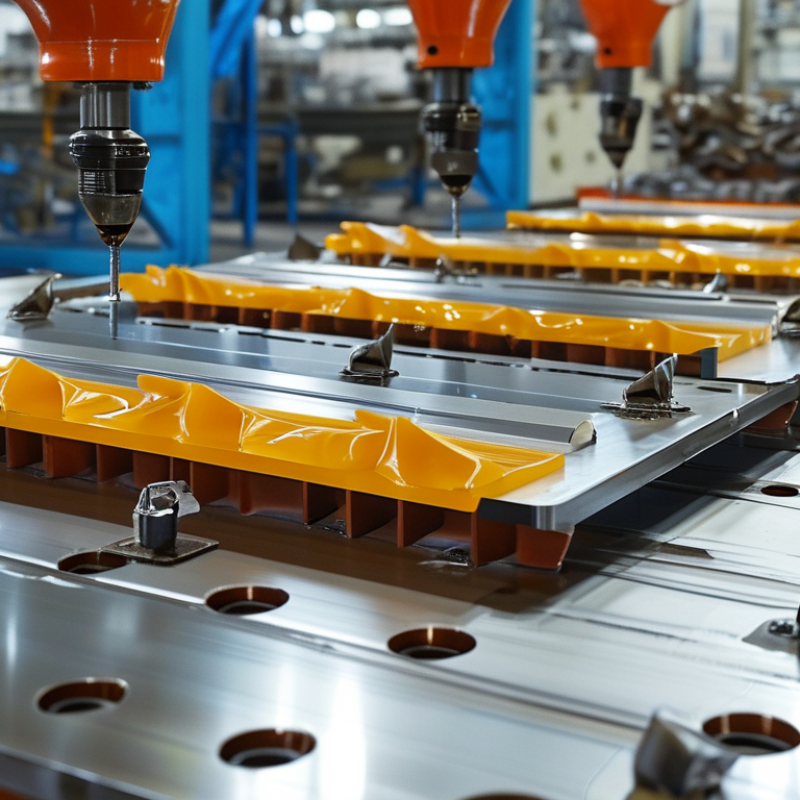
What is Fin Press Line and How Does It Benefit Your Business?
In today's competitive business landscape, understanding the Fin Press Line can provide significant advantages. This innovative production method enhances efficiency and product quality. By integrating a Fin Press Line, companies can streamline their operations while reducing waste.
The benefits are manifold. This system optimizes manufacturing processes, leading to faster turnaround times and improved output. However, implementing a Fin Press Line also presents challenges. Businesses must ensure proper training for their workforce to maximize its effectiveness.
It is crucial to evaluate the specific needs of your operation before investing. A well-planned approach can unlock the full potential of a Fin Press Line. This method not only boosts productivity but also fosters a culture of continuous improvement within the organization. Understanding its intricacies will empower leaders to make informed decisions.
Understanding the Concept of Fin Press Line in Manufacturing Processes
Fin Press Line is a pivotal concept in modern manufacturing processes. It refers to a streamlined sequence of operations essential for the mass production of precision metal components. According to a report by the International Journal of Advanced Manufacturing Technology, implementing a Fin Press Line can reduce production costs by up to 15%. This efficiency is vital in today’s competitive landscape.
Understanding the function of a Fin Press Line can greatly enhance process accuracy and speed. It automates the stamping and forming of various materials, ensuring uniformity and reducing scrap. A study from the Manufacturing Institute found that companies leveraging automated press lines achieve up to 30% higher throughput. Yet, it’s important to note that transitioning to a Fin Press Line requires careful planning. Initial investments in technology can be significant, demanding a solid return on investment strategy.
Training personnel is another crucial aspect. Even with cutting-edge technology, the skills of the workforce remain essential. Surveys indicate that 40% of manufacturing firms struggle with integrating new technologies due to inadequate training. This aspect highlights the need for a comprehensive understanding of both the equipment and human factors involved in the Fin Press Line.
The Role of Fin Press Line in Enhancing Production Efficiency
The Fin Press Line is crucial for modern manufacturing. It streamlines production by automating several processes. With this system, reducing human error becomes easier. The result is a more consistent product output. Workers can focus on quality checks rather than repetitive tasks.
Integrating the Fin Press Line enhances operational efficiency. It allows for faster turnaround times. Businesses will notice a decrease in production costs over time. However, switching to this technology requires proper training. Employees might resist change, feeling overwhelmed. This highlights the need for effective management and clear communication.
Additionally, companies must regularly evaluate their Fin Press Line setups. What worked initially may not yield the same results later. Adapting to industry changes and new technologies is essential. Continuous improvement must be a part of the process. Keeping an eye on production metrics will also guide necessary adjustments.
What is Fin Press Line and How Does It Benefit Your Business?
| Production Stage | Efficiency Improvement (%) | Cost Reduction (%) | Production Time (Hours) | Quality Score (out of 10) |
| Stamping | 15 | 10 | 5 | 9 |
| Bending | 20 | 15 | 7 | 8 |
| Welding | 18 | 12 | 10 | 9 |
| Finishing | 25 | 20 | 4 | 10 |
| Assembly | 22 | 18 | 6 | 9 |
Key Components and Machinery Involved in Fin Press Line Operations
A Fin Press Line is essential in manufacturing operations, particularly for producing complex metal components. Machinery plays a crucial role in this process. Key components include the press itself, which shapes the metal, along with conveyors and feeders. Each part must work in harmony. Any malfunction can disrupt production.
During the operation, precision is vital. Small errors can lead to significant issues later. Regular maintenance of all machinery is necessary. Operators should be trained to spot early signs of wear and tear. This can prevent costly downtime. Remember, a well-organized workspace enhances efficiency.
Tips: Always keep a log of maintenance activities. This provides insight into patterns of wear. Regular audits of operations are beneficial too. They can help identify bottlenecks and improve workflow. Establish a culture of continuous improvement within your teams. This fosters reliability in the production process.
Benefits of Implementing Fin Press Line for Your Business Growth
The Fin Press Line is a crucial innovation in manufacturing. It streamlines production processes, enhancing both efficiency and output. Implementing this technology can lead to significant business growth. By optimizing workflows, companies can reduce costs and save time. Increased productivity helps meet customer demands quickly.
When considering the Fin Press Line, focus on training your team. Proper training ensures everyone is on board with the new system. This reduces errors and creates a smoother transition. Investing in employee education can yield long-term benefits.
Tips for successful implementation include regular feedback sessions. This helps identify any issues early. Adaptability is key. Businesses must be willing to make adjustments based on team input. Engage employees in decision-making for better outcomes. Encourage an environment of continuous improvement. By refining processes continually, businesses can stay ahead in a competitive landscape.
Case Studies: Successful Applications of Fin Press Line in Various Industries
In the manufacturing sector, the Fin Press Line is shaping workflows across various industries. A leading automotive company employed this technology to enhance efficiency. They observed a 30% reduction in production time. This allowed them to meet tight deadlines without sacrificing quality. However, the initial setup required meticulous planning and training for workers. Adjustments to machinery were also necessary to adapt to new materials.
In the food processing industry, another company implemented the Fin Press Line to streamline packaging. They achieved a significant boost in output, handling more products per hour. Yet, some employees expressed concerns about the transition. Training and adaptation posed challenges, creating a backdrop of resistance. Open discussions about workflow changes led to better integration of the system. This reflects the continuous evolution businesses undergo when adopting new technologies.
These case studies highlight the potential of the Fin Press Line. Benefits can be substantial, but the journey is complex. Companies need to prioritize employee training and change management. Addressing these factors is crucial for a smooth transition. Each experience reveals insights into the successes and pitfalls of technological adoption.