
10 Essential Tips for Working with TPE Compound in Your Projects
When working with TPE compound, it’s essential to understand its unique properties. John Smith, a leading expert in polymer science, once said, "TPE compounds can transform your project, but only if you know how to handle them." This insight highlights the necessity of skillful application in any project involving TPE.
TPE compound, known for its versatility and adaptability, can present challenges. Choosing the right formulation is critical. Every project requires precise measurements and diligent mixing. Small errors can lead to significant consequences. The tactile nature of TPE compounds makes them distinct, but misjudgments can derail progress.
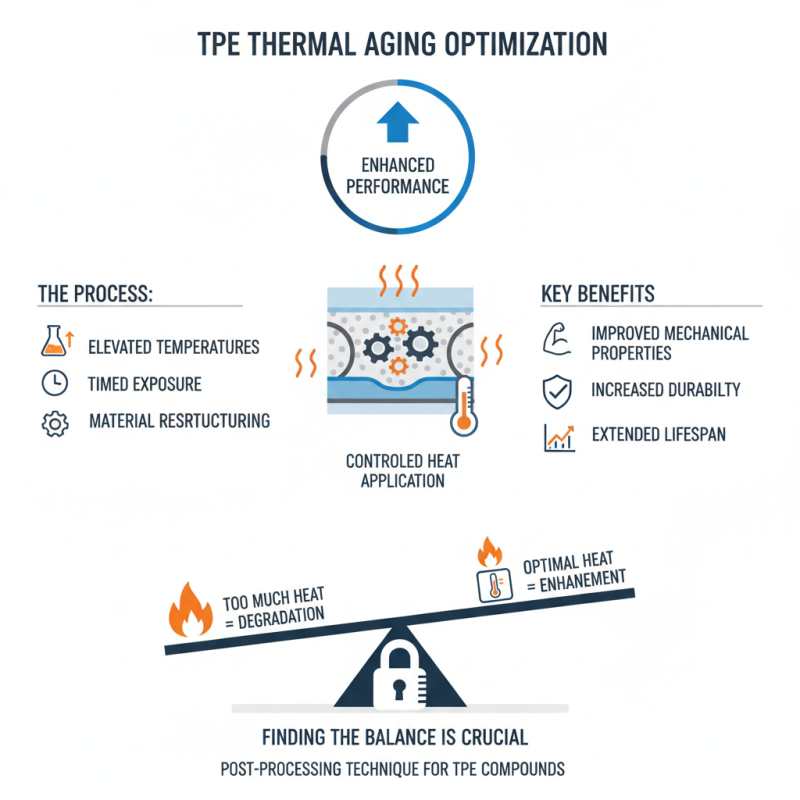
Furthermore, understanding the thermal properties of TPE is vital. Improper handling can affect performance. Many users overlook the importance of maintaining the optimal temperature during processing. Reflecting on past experiences, one can often find moments of mistake and learning. Each project with TPE compound offers lessons that contribute to better future outcomes.

Table of Contents
[Hide]
Understanding TPE Compounds: Characteristics and Applications
Thermoplastic elastomers (TPE) are versatile materials. They combine the properties of rubber with the ease of processing found in thermoplastics. TPE compounds exhibit excellent flexibility, durability, and resistance to various environmental factors. This makes them suitable for a wide range of applications. From automotive parts to consumer goods, TPE is everywhere.
Understanding the characteristics of TPE is crucial for effective project execution. The material can be produced in various hardness levels. However, not all grades are created equal. It can be challenging to choose the right grade for your project. Each application might require unique properties like heat resistance or chemical stability.
It's also important to consider the processing techniques. TPE can be molded or extruded, but each method has its own nuances. Sometimes, achieving the desired final product may require multiple attempts. Don't hesitate to experiment with different settings and parameters. This trial-and-error approach is essential in learning how to best work with TPE compounds. By fine-tuning your process, you can unlock the full potential of these materials in your projects.
10 Essential Tips for Working with TPE Compound in Your Projects
| Tip Number | Tip Description | Characteristics | Applications |
|---|---|---|---|
| 1 | Understand the material properties before use. | Flexible, durable, and rubber-like feel. | Footwear, seals, and electronic components. |
| 2 | Choose the right grade of TPE for the application. | Varies in hardness and flexibility. | Automotive parts, medical devices. |
| 3 | Consider the processing temperature for optimal performance. | Stable at a range of temperatures. | Molded parts and flexible tubing. |
| 4 | Ensure proper mixing if compounding with other materials. | Can blend well with other polymers. | Composite materials, multi-functional applications. |
| 5 | Conduct tests to evaluate mechanical properties. | Offers good tensile strength and elongation. | Automotive, construction, and consumer goods. |
| 6 | Be aware of the environmental impacts in application. | Often recyclable and less harmful. | Sustainable products, eco-friendly packaging. |
| 7 | Monitor for UV stability in outdoor applications. | Can degrade with prolonged sun exposure. | Outdoor furniture, automotive exterior parts. |
| 8 | Understand the significance of surface treatments. | Surface can be enhanced for better performance. | Grip surfaces, aesthetic finishes. |
| 9 | Evaluate the impact on user comfort and usability. | Soft touch and skin-friendly. | Consumer electronics, personal care items. |
| 10 | Stay updated on advancements in TPE technology. | New formulations and processing techniques. | Innovative product designs and applications. |
Related Posts
-

Exploring the Benefits of Using White Masterbatch in Sustainable Plastic Production
-

2025's Top 10 Plastic Filler Masterbatch Innovations for Enhanced Performance
-

Top 10 Benefits of Using Compound Masterbatch in Plastics Manufacturing
-
2026 Best HDPE Compound Options for Your Projects How to Choose?
-

Exploring the Fascinating World of Plastic Effects: How They Transform Our Everyday Materials
-

Revolutionizing Repair: Understanding the Science Behind Plastic Fillers and Their Environmental Impact