Top Tips for Sourcing TPE Compound Effectively?
The demand for TPE (thermoplastic elastomer) compounds continues to rise globally, driven by their versatility and performance characteristics. According to a recent report from Allied Market Research, the TPE market is projected to reach $28.12 billion by 2026, growing at a CAGR of 5.6%. This growth is attributed to TPE's applications in automotive, consumer goods, and medical sectors, highlighting the importance of effective sourcing strategies.
However, sourcing TPE compounds is not without challenges. Quality consistency and supplier reliability can fluctuate, impacting overall product performance. A survey by Research and Markets found that 40% of manufacturers face difficulties in sourcing high-quality raw materials. This situation calls for deeper insights into the sourcing process. Companies must evaluate their suppliers rigorously, considering factors like production capacity and environmental compliance.
Building strong relationships with suppliers can also enhance sourcing efficiency. Many companies overlook the importance of communication, which can lead to misunderstandings. Suppliers who understand technical requirements and quality standards are invaluable. Ultimately, optimizing sourcing practices requires a blend of strategic planning and continuous improvement, ensuring a steady supply of high-quality TPE compounds for diverse applications.

Understanding TPE Compounds and Their Applications
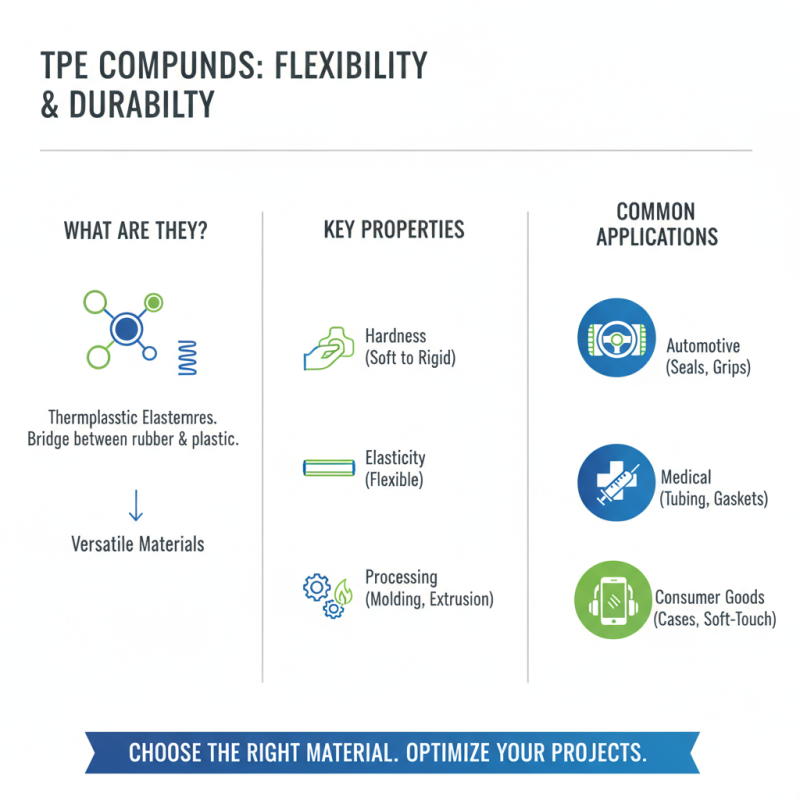
Thermoplastic elastomer (TPE) compounds are versatile materials often used in various applications. Their flexibility and durability make them suitable for industries like automotive, medical, and consumer goods. Understanding the specific properties of TPE compounds can significantly impact your sourcing decisions. Each type of TPE has unique characteristics, such as hardness, elasticity, and processing methods. Evaluating these properties will help you choose the right material for your project.
When sourcing TPE, consider these tips. First, establish clear requirements for your application, including thermal stability and chemical resistance. This clarity helps suppliers offer tailored solutions. Second, engage with suppliers who demonstrate expertise in TPE formulations. Their experience can guide you toward suitable options. Finally, be open to testing different samples before finalizing your choice. This trial-and-error approach may reveal unexpected benefits in material performance.
Despite the numerous advantages, sourcing TPE compounds does come with challenges. Price fluctuations can affect your budget. Additionally, not all suppliers maintain consistent quality. Regular communication with your supplier is essential to address any issues swiftly. Learning from past sourcing experiences can also lead to improved decisions in the future.
Key Properties to Consider When Sourcing TPE Compounds
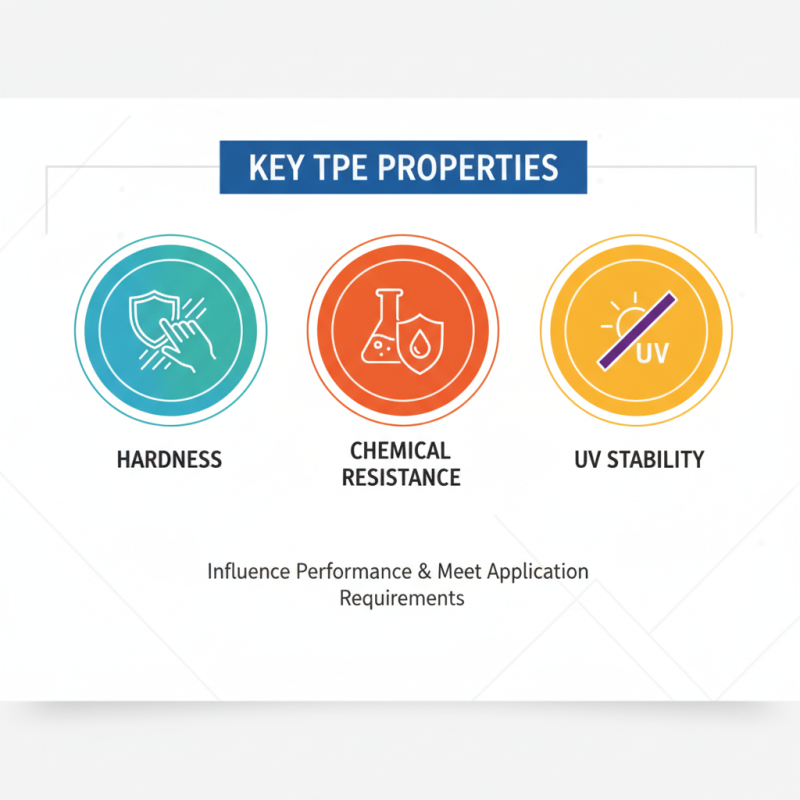
When sourcing TPE (thermoplastic elastomers) compounds, it's vital to focus on the key properties that influence performance. These properties include hardness, chemical resistance, and UV stability. Each property plays a crucial role in ensuring the compound meets specific application requirements.
Consider hardness ratings carefully. The Shore hardness scale defines how flexible or rigid a TPE compound will be. Choosing the right hardness can significantly impact product performance. If the compound is too soft, it might not withstand mechanical stress. Conversely, an overly hard compound may lead to brittleness, which can cause failures in use.
Chemical resistance is another essential factor. Depending on the application, the TPE may be exposed to oils, solvents, or varying temperatures. Testing the chemical resistance helps ensure longevity during use. Manufacturers often provide data sheets, but real-world testing is equally vital. This step highlights potential weaknesses in specific environments.
Also, look into UV stability. TPE compounds used outdoors must resist degradation caused by sunlight. This property can greatly extend the product's lifespan. Always discuss the environmental conditions your product will face during the sourcing process. Engaging with experts can help mitigate risks and enhance product reliability.
Identifying Reliable Suppliers for TPE Compounds
When sourcing TPE compounds, finding reliable suppliers is crucial. Start by researching various vendors in the industry. Look for suppliers with a strong reputation. Check their business history and client reviews. Engage in conversations with their past customers to understand their reliability.
Certifications also play a vital role in supplier selection. A supplier with ISO certifications shows commitment to quality. This can provide assurance about their production processes and safety standards. Visit potential suppliers if possible. Observing their facilities gives you insight into their operational capabilities.
Be prepared to ask questions. Inquire about their sourcing strategies and production timelines. Evaluate their customer service responsiveness. Unsatisfactory communication may indicate broader issues. Reflect on your specific needs and whether the supplier aligns with them. Finding the right partner requires careful evaluation and sometimes patience.
Top Tips for Sourcing TPE Compound Effectively - Identifying Reliable Suppliers for TPE Compounds
| Supplier Criteria |
Description |
Importance Level |
Contact Method |
| Industry Experience |
Years of experience in supplying TPE compounds. |
High |
Email/Phone |
| Quality Certifications |
ISO, RoHS, or other relevant certifications. |
Medium |
Contact Form |
| Customer Reviews |
Feedback from previous customers. |
High |
Social Media |
| Product Range |
Diversity of TPE compounds offered. |
Medium |
Website Inquiry |
| Lead Times |
Time taken from order to delivery. |
High |
Email/Chat |
| Price Competitiveness |
Comparison of prices with competitors. |
Medium |
Quote Request |
| Technical Support |
Availability of technical assistance. |
High |
Phone/Email |
Evaluating Cost-Effectiveness in Sourcing TPE Compounds
When sourcing TPE compounds, cost-effectiveness is crucial. Evaluating expenses involves more than just unit price. Understand the total cost of ownership. This includes shipping, storage, and processing expenses. Sometimes cheaper options lead to higher long-term costs. A thorough analysis helps avoid pitfalls.
Quality should never be compromised for a lower price. A well-made TPE can outperform cheaper alternatives, saving money down the line. Look for suppliers with a strong reputation. Check their certifications and past projects. This builds trust in your procurement process.
Consider potential hidden costs. Poor quality may result in increased waste or rework. This adds unforeseen expenses. Engage with multiple suppliers to compare offerings and performance. Be open to feedback from your production team. They know how the materials perform in real-life conditions. The key is to maintain a balance between cost and quality.
Best Practices for Quality Assurance in TPE Sourcing
When sourcing TPE (thermoplastic elastomers), quality assurance is crucial. Start by establishing clear specifications for the TPE compound. Detailing requirements ensures suppliers know what you need. Consider physical properties like hardness and tensile strength. This clarity facilitates better communication.
Engage in a thorough supplier evaluation. Look for manufacturers with a strong track record in producing TPE materials. Request samples for testing before finalizing any agreements. Testing samples in real-world applications can reveal potential issues. This hands-on approach can highlight any discrepancies early on.
Don't underestimate the importance of certifications. Ensure suppliers have necessary quality certifications. This can include ISO certifications or industry-specific standards. Regular audits can further maintain quality assurance. Even trusted suppliers can have inconsistencies. Regular checks help mitigate risks and maintain product standards.