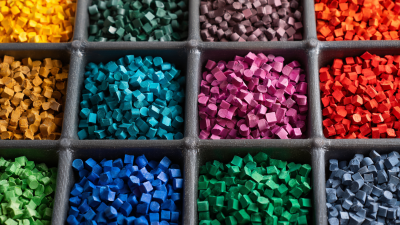
What is Color Master Batch and How to Choose the Best?
In the world of plastics, the term "color master batch" has become essential. It refers to concentrated mixtures of pigments or dyes used to color plastic products. According to Dr. Emily Carter, a leading expert in polymer additives, "Choosing the right color master batch can significantly enhance product appeal." Her insight highlights the importance of careful selection in the production process.
When selecting a color master batch, quality and compatibility are crucial. The right master batch should not only provide vibrant colors but also maintain the integrity of the base polymer. Often, manufacturers overlook the need for testing in real application conditions. This may lead to unexpected results, such as poor dispersibility or fading over time.
Additionally, the market offers various options, leaving many unsure of the best fit for their needs. Factors like processing temperatures and the intended use of the final product must all be considered. Overall, the quest for the ideal color master batch requires diligent research and understanding. With the right approach, companies can achieve striking results that elevate their products in a competitive market.
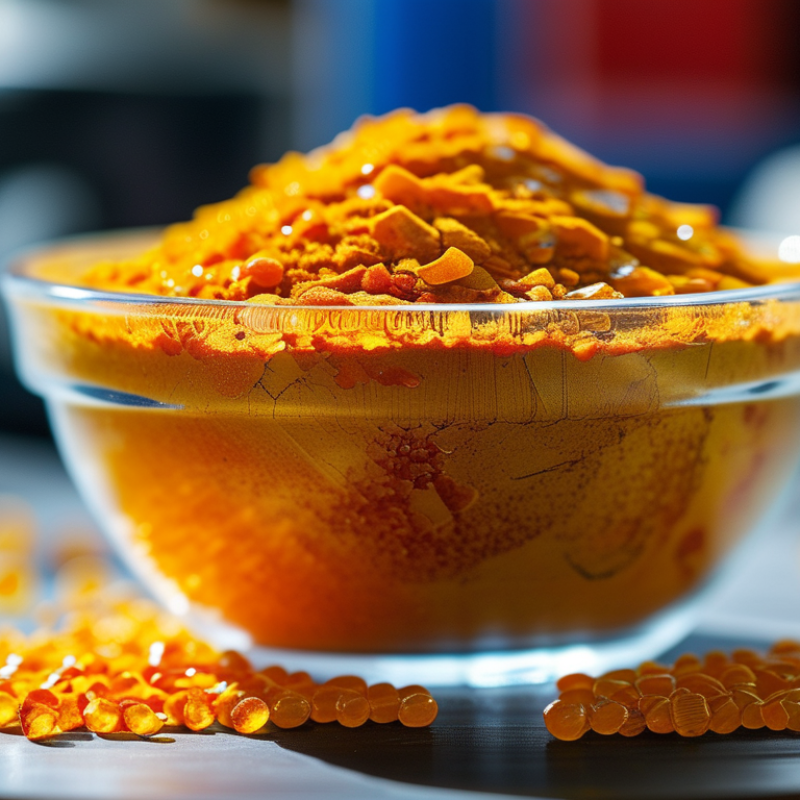
What is Color Master Batch and Its Composition
Color masterbatch is a concentrated mixture of pigments and carriers used to impart color to various materials. It plays a pivotal role in the plastics industry. The composition typically includes a pigment, a polymer carrier, and additives. Pigments can be organic or inorganic, each offering distinct properties. The choice of carrier polymer often depends on the base material being colored.
When selecting a color masterbatch, consider several factors. The pigment concentration should match your application needs. Higher concentrations provide intense colors but can affect processing. The thermal stability of the masterbatch is equally important. It ensures consistency during the manufacturing process. You also need to assess compatibility with your chosen polymers.
While there are numerous options available, not all are suitable for every application. Some might not perform well under specific conditions, like heat exposure or UV light. Too much focus on aesthetics could overshadow functional requirements. It's crucial to strike a balance between color and performance. Users should test masterbatches for their specific applications. This approach minimizes risks and ensures better outcomes.
The Role of Color Master Batch in Plastic Manufacturing
Color masterbatch plays a crucial role in plastic manufacturing. It is a concentrated mixture of pigments and additives, typically in a carrier resin. This mixture allows manufacturers to color plastic products efficiently. According to a recent study by Plastics Industry Association, over 70% of plastics produced globally use masterbatches. This highlights their importance in achieving consistent coloration and performance.
When selecting a color masterbatch, consider factors like compatibility with the base resin and processing conditions. Different applications may require specific formulations. For instance, packaging materials often need vibrant colors that retain stability under UV light. In contrast, automotive parts may necessitate colors that withstand high temperatures. Reports show that improper selection can lead to defects, such as color fading or poor dispersion, impacting product quality.
Another key aspect is the evaluation of supplier reliability. A trustworthy supplier often provides technical support and product data sheets. According to a survey by Smithers Pira, 65% of manufacturers emphasize that supplier expertise significantly influences their choice of color masterbatch. This illustrates the need for companies to fully vet potential suppliers, ensuring they can deliver the desired quality and performance.
What is Color Master Batch and How to Choose the Best?
| Feature |
Description |
Importance |
| Color Fastness |
The resistance of the color to fading over time and exposure to elements. |
High |
| Dispersion |
The even distribution of color particles in the polymer matrix. |
High |
| Compatibility |
The ability of the masterbatch to blend well with the base polymer. |
Medium |
| Heat Stability |
The resistance of the colorant to degradation at processing temperatures. |
High |
| Regulatory Compliance |
Adherence to safety and environmental standards in chemical use. |
High |
| Cost |
The price of the masterbatch compared to alternatives. |
Medium |
Factors to Consider When Choosing Color Master Batch
When selecting a color master batch, several factors come into play. The composition of the batch is crucial. It typically contains pigments, resins, and additives. These components determine the intensity and stability of the color. Understanding the type of resin used is essential. Different resins interact differently with pigments. This can affect the final appearance and durability of the product.
Another factor is the desired application. Different industries have unique requirements. For example, food packaging may need non-toxic practices, while automotive applications demand high-temperature resistance. Evaluating the performance of the master batch in specific applications can save time and resources. Testing a small sample beforehand is advisable to observe the actual color match and material compatibility.
It’s also vital to consider the supplier's reputation. A reliable supplier often provides consistency in quality. Their experience in the field can assure you regarding safety standards and product performance. However, not every supplier offers the same level of support. Some may lack responsiveness or fail to address concerns promptly. Engaging with different suppliers allows for a better understanding of the industry. This approach ensures a well-informed decision when choosing the right color master batch.
Types of Color Master Batches and Their Applications
Color masterbatches are crucial in the plastics industry. They provide vibrant hues and enhance product aesthetics. Understanding the types of color masterbatches can help manufacturers make informed choices.
There are several types of color masterbatches, each with unique applications. Universal masterbatches are versatile and suitable for various plastics. They offer an excellent color range but may lack in some specific applications. Concentrated masterbatches deliver intense colors. However, they require careful dosing to avoid color inconsistencies.
Specialty masterbatches cater to specific needs, such as UV resistance or flame retardation. These can be more costly and may not be as readily available. Producers should evaluate their production processes and desired outcomes. Finding the right balance between cost and quality can be challenging. Manufacturers often find themselves reflecting on their choices. Selecting an unsuitable type can lead to poor product quality.
Best Practices for Using Color Master Batch Effectively
Using color masterbatch effectively can significantly enhance the quality of your final product. Choose the right formulation based on your material type and the desired outcome. For instance, polyolefins require specific colorants compared to polyesters. Conduct preliminary tests to gauge the batch’s compatibility and dispersion. An inadequate match can lead to uneven coloration, affecting aesthetics and performance.
Pay attention to the dosage of color masterbatch. Adding too little may not achieve the desired hue, while excessive amounts can alter physical properties. Start with recommended guidelines, adjusting as necessary based on trial runs. Also, consider the temperature stability of the masterbatch during processing. High temperatures can degrade some pigment types, impacting color integrity. Keep a close watch on the blending process to avoid clumping.
Regularly review your mixing methods. In some cases, operators may not achieve consistent results due to inefficient mixing techniques. Evaluate whether a different type of mixer could improve uniformity. Finally, documentation of each batch's performance will help refine your methods. It’s essential to build a solid reference point for future projects. This ongoing process will enhance your understanding and application of color masterbatch over time.
Color Master Batch Usage in Different Industries
This chart illustrates the percentage of Color Master Batch usage across various industries, showcasing how critical color consistency is in sectors like packaging, automotive, and textiles.