What is a CNC Gantry Machining Center and How Does it Work?
In the world of manufacturing, precision is key. The CNC Gantry Machining Center represents a significant advancement in this field. It provides efficient and accurate machining capabilities for various materials. This technology embraces versatility, making it suitable for large-scale production and intricate designs.
At its core, a CNC Gantry Machining Center operates using advanced computer numerical control systems. Users can input complex designs, and the machine executes them with remarkable precision. This increases productivity while reducing the chance of human error. However, mastering its operation requires training and experience. Not all operators are familiar with its complexities, leading to potential mistakes.
Despite its advantages, this technology is not without drawbacks. Maintenance can be demanding, and setting up the machine for different tasks can be time-consuming. Users must weigh these factors carefully. Understanding the CNC Gantry Machining Center's capabilities and limitations is essential for successful implementation in any production environment.
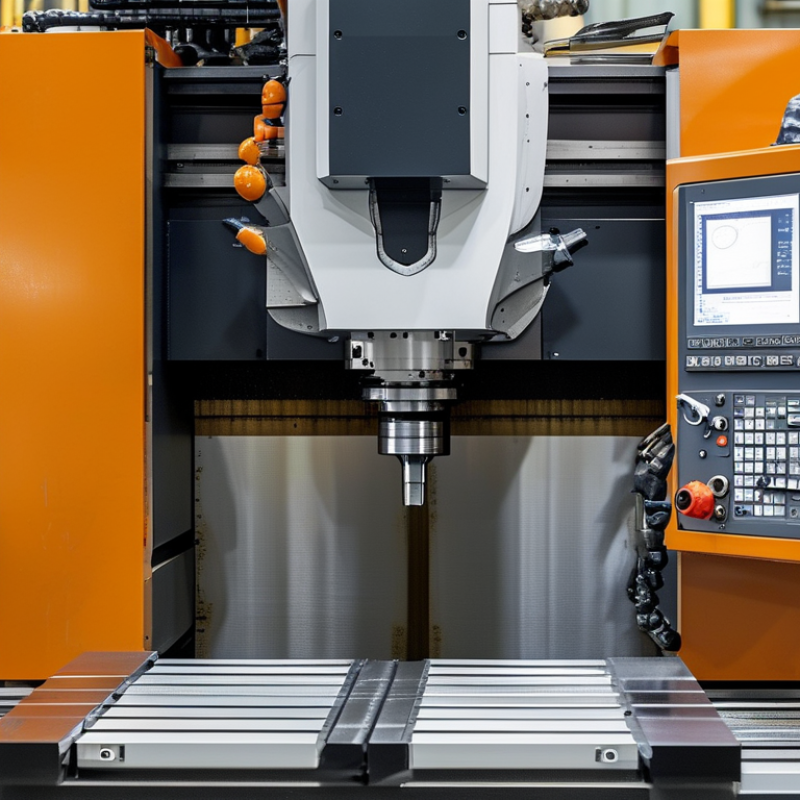
What is a CNC Gantry Machining Center?
A CNC gantry machining center is a versatile tool used in precision engineering. Its design features a bridge-like structure, supported by two or more columns. This unique configuration allows for large workpieces to be machined with high accuracy. The machine’s moving components include a spindle that travels along the X, Y, and Z axes, enabling complex shapes to be carved out of metal, wood, or other materials.
Operators of CNC gantry systems appreciate their large work areas. For heavy or bulky materials, this design offers stability that traditional machines struggle to achieve. However, setup and calibration can be challenging. The initial alignment needs to be precise, requiring attention to detail. An improperly configured gantry can lead to errors during machining, wasting both time and resources.
Tips: Always double-check alignments before starting a job. Consider using fixtures that enhance stability. Regular maintenance is essential. Lubricate the moving parts frequently to minimize wear. Dust and debris build-up can affect performance, so keep the workspace clean. These practices ensure longer machine life and better output quality.
Key Components of CNC Gantry Machining Centers
CNC gantry machining centers are sophisticated tools used in various manufacturing processes. Understanding their key components is crucial for effective operation. One primary part is the gantry structure, which supports the moving components. It allows for stability and precision during machining. A recent report from the International Federation of Robotics indicates that about 70% of machining mistakes are linked to structural weaknesses in these systems.
Another vital component is the CNC control system. This technology interprets programmed instructions and translates them into precise movements. Accurate control enhances productivity, making it a crucial feature. An analysis by the Association for Manufacturing Technology suggests that facilities using advanced CNC systems can improve efficiency by up to 30%. However, programming errors or software glitches can lead to costly delays. It's essential to implement regular software updates and training for operators.
The spindle is also a critical element, responsible for the cutting actions. A high-quality spindle can significantly boost machining speed and surface finish. However, lower-grade spindles can result in vibration and wear, affecting overall performance. The balance between cost and quality is a persistent challenge for manufacturers in this sector.
What is a CNC Gantry Machining Center and How Does it Work? - Key Components of CNC Gantry Machining Centers
| Component | Description | Function |
| Gantry Structure | A robust framework that supports the machining process. | Provides stability and rigidity during operations. |
| Drive System | Includes motors and control mechanisms for movement. | Enables precise control of the cutting tool’s position. |
| Cutting Tool | Interchangeable tools designed for various machining tasks. | Performs the actual cutting or machining of the material. |
| Controller | Computer system that interprets design files. | Directs the movements of the gantry and cutting tool. |
| Worktable | The surface on which materials are placed for machining. | Supports the workpiece securely during processing. |
| Coolant System | Circulates coolant to manage temperature during cutting. | Reduces heat and improves tool performance and lifespan. |
How CNC Gantry Machining Centers Operate
CNC gantry machining centers are powerful tools in modern manufacturing. They are capable of large-scale machining with high precision. These machines feature a bridge-like structure, which allows for stable support and movement across the X, Y, and Z axes. This design facilitates the machining of large parts, significantly reducing cycle times. According to a report from IMTS, the demand for CNC gantry machines is expected to grow by 7% annually.
Understanding how these machines operate is essential for maximizing their potential. Operators program the CNC system using CAD files, which guide the machine's movements. The control software translates the design into specific actions, precision guiding the cutting tools. Additionally, advanced types of CNC gantry centers can execute multiple operations in one setup, like milling and drilling. A study by TechSci Research highlights that manufacturing processes utilizing CNC gantry machines can increase productivity by up to 30%.
However, not all operations yield perfect results. Misalignment and tool wear can affect final product quality. Operators must regularly calibrate machines and inspect tools to ensure longevity and precision. While these centers provide remarkable efficiency, constant monitoring and adjustment are crucial to avoid costly errors in production, which aligns with findings from the Manufacturing Industry Council.
Advantages of Using a CNC Gantry Machining Center
A CNC gantry machining center is a versatile tool in modern manufacturing. Its design features a bridge-like structure that allows for greater stability during machining. This stability translates to higher precision, making it ideal for complex tasks. This machine can handle various materials, including metals and plastics, offering flexibility in production.
One major advantage is the large working envelope. This permits the machining of oversized components without the need for multiple setups. This efficiency reduces cycle times and increases productivity. Users often report a significant reduction in operational costs due to less downtime and faster processing.
However, some challenges exist. Proper calibration is crucial for optimal performance. The complexity of programming can overwhelm new operators. Training is essential for effective use. Regular maintenance is necessary to keep the machine running smoothly. Despite these hurdles, the CNC gantry machining center remains a key player in advancing manufacturing capabilities.
Common Applications of CNC Gantry Machining Centers
CNC gantry machining centers are versatile tools in manufacturing. They excel in machining large and heavy parts. These machines operate on a gantry structure. This design allows for stable movement and greater precision. Common applications of CNC gantry machining centers include aerospace and automotive industries.
In the aerospace sector, these machines produce components like fuselage frames and wing structures. Precision is vital here. Small errors can lead to significant issues in flight safety. The strength and accuracy of a CNC gantry machine help to mitigate this risk. In automotive manufacturing, these centers efficiently create parts such as frames and engine components. The ability to handle large materials makes them ideal for these applications.
Despite their advantages, CNC gantry machining comes with challenges. Operators must ensure proper calibration and maintenance. Neglecting this can lead to inaccuracies. Additionally, the programming skill of the machinist directly impacts the quality of the output. Investing in training for operators can yield long-term benefits. However, it requires a commitment from management. This reflection highlights the balance between technology and human expertise in machining processes.