How to Choose the Right Wire Mesh for Your Project?
When embarking on a project that requires Wire Mesh, choosing the right type can be daunting. Wire mesh is versatile, used in various applications, from fencing to filtration. With different materials and sizes available, understanding the options is crucial.
Consider the specific demands of your project. Are you focusing on strength, flexibility, or corrosion resistance? Each wire mesh type offers unique benefits tailored to various environments. For residential use, stainless steel may provide longevity, while galvanized steel can be more cost-effective. The choice impacts durability and functionality, and making the wrong decision could lead to unexpected challenges.
Reflect on your experience and the needs of your project. Testing samples can reveal shortcomings in earlier selections. Researching suppliers and materials ensures reliability. Reliable sources can provide valuable insights into wire mesh performance. Ultimately, a thoughtful approach to choosing wire mesh leads to successful project outcomes.
Understanding the Different Types of Wire Mesh Available
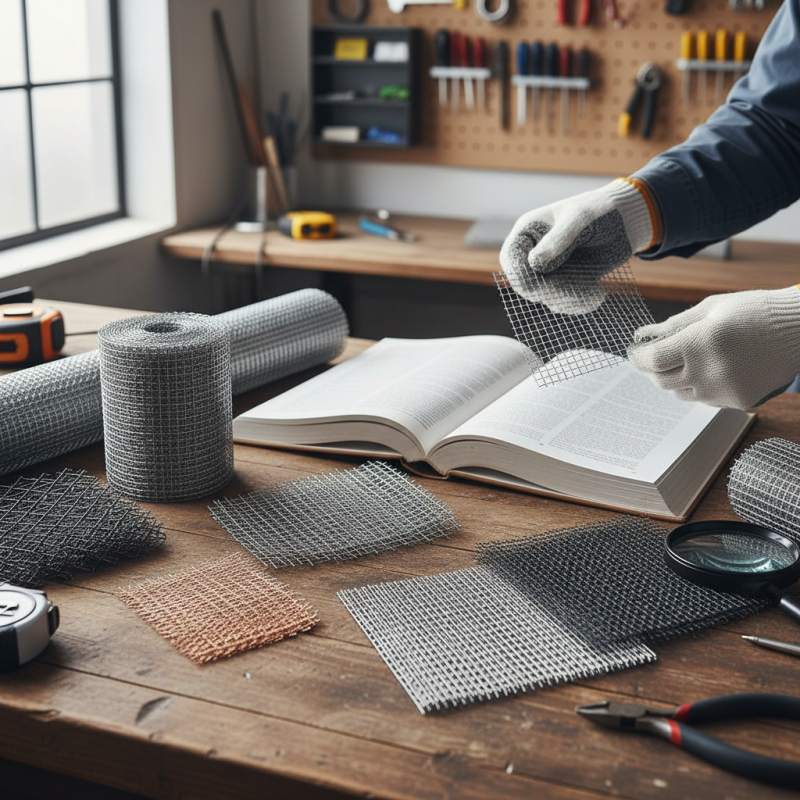
When choosing wire mesh for your project, understanding the different types is essential. Wire mesh comes in various materials, including stainless steel, aluminum, and galvanized steel. Each type has its unique properties. Stainless steel offers corrosion resistance, making it ideal for outdoor use. Aluminum is lightweight and resistant to rust, suitable for temporary structures. Galvanized steel is strong and cost-effective for many applications.
Different wire mesh types cater to specific needs. For instance, welded wire mesh provides strong durability and uniform strength, making it a popular choice for construction. On the other hand, square wire mesh is excellent for crafting or fencing due to its flexible design. Crimped wire mesh offers a unique texture and is often used in filtration systems. Consider the mesh size, wire gauge, and intended application when choosing.
It's important to reflect on your project's requirements accurately. Will it face harsh weather conditions? Is strength more crucial than weight? Understand that you might need to compromise between cost and quality. Each project is unique, which may require adjustments to your initial choice. Be open to learning as you explore different options. Always ask for samples when possible, as this can clarify your decision.
Evaluating Your Project's Specific Requirements
When evaluating your project’s specific requirements for wire mesh, several key factors must be considered. First, think about the type of materials you need. Different applications require different mesh materials, such as stainless steel, aluminum, or fiberglass. According to industry reports, stainless steel mesh is preferred for its durability and resistance to corrosion, while fiberglass offers lightweight properties ideal for insulation projects.
The size of the openings in the mesh also plays a crucial role. A project focusing on filtration will necessitate smaller openings, whereas a fencing requirement could allow for larger gaps. Research indicates that using incorrect opening sizes can lead to inefficiencies or project failure. It’s essential to match your wire mesh with the specific needs of your project, considering factors like strength, weight capacity, and environmental exposure.
In addition, cost considerations cannot be overlooked. Budget limitations may lead to compromises on quality, which could impact long-term performance. Studies suggest that investing in higher-quality materials can save money over time, reducing maintenance and replacement costs. Therefore, thoroughly assessing your needs will lead to better decision-making and project success.
How to Choose the Right Wire Mesh for Your Project? - Evaluating Your Project's Specific Requirements
| Mesh Type | Wire Diameter (mm) | Aperture Size (mm) | Material | Best Use Case |
| Welded Wire Mesh | 2.0 | 50 x 50 | Steel | Concrete reinforcement |
| Hexagonal Wire Mesh | 1.5 | 25 mm | Galvanized Steel | Garden fencing |
| Chain Link Fencing | 2.5 | 40 mm | PVC Coated Steel | Perimeter security |
| Stainless Steel Wire Mesh | 0.8 | 10 x 10 | Stainless Steel | Food processing and medical use |
| Fiberglass Mesh | 0.5 | 5 x 5 | Fiberglass | Building insulation and drywall |
Key Factors to Consider When Selecting Wire Mesh
Selecting the right wire mesh requires careful consideration of several key factors. One critical aspect is the material. Stainless steel is known for its strength and corrosion resistance, making it ideal for harsh environments. According to industry reports, galvanized steel mesh is more cost-effective but may not last as long under severe conditions. Understanding your project's specific needs will guide you in choosing the material wisely.
Another important factor is the mesh size. This affects both the strength and the intended use. A smaller mesh offers greater support but less visibility. Larger meshes, on the other hand, allow for better airflow. A recent study indicates that projects involving animal enclosures often benefit from a 2-inch square mesh. This size balances safety and comfort. Evaluate your project's goals carefully to determine the most suitable sizing.
Lastly, don't overlook the wire gauge. Thicker wires will provide more strength but may be heavier and more expensive. A proper gauge selection will enhance durability while keeping costs manageable. For instance, a 12-gauge wire mesh is robust yet flexible for many applications. Testing different combinations of material, size, and gauge can help you find the best fit for your unique project requirements.
Comparing Material Options for Wire Mesh Applications
When selecting wire mesh, the material choice significantly impacts performance and durability. Steel mesh is often favored for its strength and resilience. It can bear heavy loads, making it ideal for construction projects. Stainless steel offers corrosion resistance, suitable for outdoor applications. This option ensures longevity in harsh environments, like marine settings.
Other materials like aluminum mesh are lightweight and easy to handle. They work well for decorative purposes, adding a modern touch to projects. However, aluminum may not offer the same load-bearing capacity as steel. Plastic mesh is another alternative. It is resistant to rust and corrosion but typically lacks the strength of metal options. Reflecting on these choices is vital. Each material has its pros and cons. Identify your project's specific needs to make an informed decision. Don't overlook the importance of the mesh's weave pattern. It can greatly affect the intended use, so consider this detail carefully.
Wire Mesh Material Comparison for Projects
Assessing Wire Mesh Durability and Maintenance Needs
When selecting wire mesh, evaluating its durability and maintenance requirements is crucial. Different materials offer varied longevity and resistance to wear. For instance, stainless steel mesh generally has a life expectancy of more than 50 years, while galvanized options might only last 10 to 20 years under similar conditions. An industry report from the National Association of Wire Producers states that improper maintenance can cut the lifespan of wire mesh by almost half.
Maintenance plays a critical role in the longevity of wire mesh. Regular inspections are necessary to identify rust or corrosion early. A simple cleaning routine often prevents debris accumulation, which can weaken the mesh over time. Over 30% of wire mesh failures stem from neglect and lack of appropriate care. Choosing a design that allows for easy access can simplify maintenance efforts, yet many projects overlook this fact.
Consider environmental factors when assessing durability. Mesh installed in coastal areas faces salt exposure, leading to faster deterioration. Using coated wire can mitigate this risk. However, coatings may also require their own maintenance routine. Research indicates that nearly 25% of users underestimate the importance of environmental influence, ultimately leading to unexpected replacement costs.