
Choosing a Fusion Bonded Epoxy Pipe is not just a matter of comparing prices or coating thickness. The right choice depends on the fluid, operating temperature, pressure, pipe dimensions, and installation environment. A line carrying drinking water may need different documentation from one exposed to soil moisture or industrial chemicals. Small details matter.
Start by identifying the service conditions. Note the expected temperature range, pressure changes, flow requirements, and possible contact with corrosive substances. Then check the pipe’s base material, internal and external coating, and specified coating thickness. Ask how the coating is applied and inspected. For example, holiday testing can help reveal coating discontinuities, while adhesion checks provide useful evidence of coating performance. The method and acceptance criteria should be clear in the supplier’s technical documents.
Installation deserves equal attention. A sound coating can still be damaged by rough handling, poorly prepared joints, or careless field repairs. Confirm the recommended storage, lifting, joining, and repair procedures before delivery. Request traceable test reports and verify that the stated performance suits your actual project conditions. Supplier claims alone are not enough.
There is no universal best option. Sometimes a thicker coating seems safer, but compatibility and application quality may matter more. That distinction is easy to overlook. Compare technical evidence, installation needs, and lifecycle considerations before making a decision. If the service conditions remain uncertain, consult a qualified piping specialist and document the assumptions behind your selection.
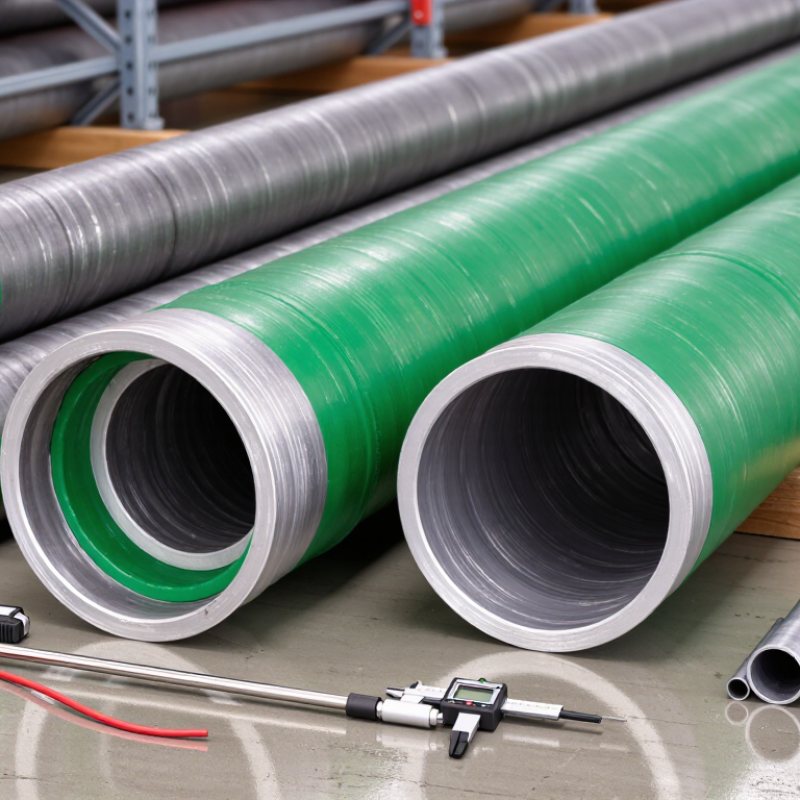
How to Choose the Right Fusion Bonded Epoxy Pipe?
Identify the Service Conditions and Operating Environment
Choosing a fusion bonded epoxy pipe starts with understanding what it will carry and where it will operate. Record the fluid composition, temperature range, pressure, and expected flow conditions. A pipe handling mildly corrosive water may face very different demands from one carrying abrasive slurry. Small details matter. Note occasional cleaning chemicals and temperature spikes, not only normal daily operation.
The installation environment also affects coating performance. Consider soil chemistry, moisture, external corrosion risks, and whether the pipe will be buried, exposed, or installed near other equipment. For example, rocky backfill can scratch a coating during installation. Repeated temperature changes may also stress the system. Check the pipe and coating specifications against the project’s design conditions, and ask a qualified engineer to review unusual or severe service conditions. Do not assume one coating thickness suits every site.
Tips: Gather fluid data and site details before requesting a pipe specification. Include operating and upset temperatures, pressure, abrasion, and installation method. Keep a record of assumptions; some conditions are easy to miss. If information is uncertain, say so and verify it before selecting the coating.
Start with the pipe’s service conditions, then lock down outside diameter and wall thickness. ASME B36.10M provides standardized dimensions for welded and seamless steel pipe; use its tables to check fit with existing supports and fittings. Measure the actual route, too. A drawing can miss a tight elbow or a narrow trench. Small details matter.
Select steel grade from pressure, temperature, and loading calculations, not habit. API Specification 5L lists a minimum yield strength of about 360 MPa for Grade X52. That figure is a reference point, not a complete design check. Confirm the required grade, toughness, and manufacturing requirements with the project engineer. I would revisit assumptions about soil movement; they are easy to underestimate. Then define the FBE coating’s service temperature, exposure, and inspection criteria. ISO 21809-2 sets qualification and testing requirements for external FBE coatings on pipeline systems. Specify coating thickness and verify adhesion, impact resistance, and holiday testing against the project specification. A thick coating is not automatically better. Fit the coating to handling conditions and operating needs, and document acceptance limits before procurement.
| Selection dimension | Example data or typical options | What to specify or verify |
|---|---|---|
| Nominal pipe size | Common pipeline sizes include NPS 4, 6, 8, 12, 16, 20, and 24. | Set the nominal size and confirm the required outside diameter and dimensional standard. |
| Outside diameter examples | NPS 4: 114.3 mm; NPS 6: 168.3 mm; NPS 8: 219.1 mm; NPS 12: 323.9 mm; NPS 16: 406.4 mm; NPS 24: 609.6 mm. | These are common ASME NPS outside diameters. Check the applicable pipe standard and project drawings before ordering. |
| Wall thickness | Specify the required wall thickness in millimetres or by the applicable schedule. The required value depends on design pressure, diameter, material, and service conditions. | Calculate wall thickness under the governing design code; account for corrosion allowance, manufacturing tolerance, and any mechanical loads where applicable. |
| Pipe length and ends | Define required individual pipe lengths, length tolerances, and end preparation, such as plain ends or beveled ends for welding. | Coordinate end preparation with the joining method and specify whether coating cutbacks are needed at pipe ends. |
| Steel grade | Common API 5L line-pipe grades include Grade B and X42, X52, and X60. | Select grade based on design calculations and the governing specification. Confirm the required product specification level, testing, and delivery condition. |
| Design pressure and loads | State design pressure, operating pressure, hydrostatic test requirements, and relevant external or installation loads. | Pressure capacity is not determined by steel grade alone; verify it using the design code, pipe dimensions, material properties, and applicable design factors. |
| FBE coating system | Specify a single-layer fusion bonded epoxy external coating and identify the governing project standard, such as ISO 21809-2 or CSA Z245.20, where applicable. | Define the coating thickness and acceptance criteria in the purchase specification; requirements vary by standard, coating class, and service. |
| Service temperature | Provide minimum and maximum operating temperatures, including any short-term temperature excursions. | Confirm that the selected coating formulation is qualified for the project temperature range and exposure conditions; do not assume one universal FBE temperature limit. |
| Corrosion and exposure conditions | Describe the environment, such as buried soil, freshwater, marine exposure, or plant service, and identify relevant chemicals or abrasion risks. | Check coating suitability, surface preparation, handling requirements, and any project-specific testing for the expected environment. |
| Inspection and testing | Define inspection for coating continuity, thickness, adhesion, and appearance, together with the required frequency and acceptance limits. | Use the specified standard and approved inspection procedures. State whether holiday detection and other tests are required and how results must be documented. |
| Handling, storage, and field joints | Set requirements for lifting, stacking, transport protection, coating repair materials, and field-joint coating. | Make sure repair and field-joint systems are compatible with the pipe coating and the planned installation procedure. |
Note: The examples are for selection guidance only. Final dimensions, steel grade, coating requirements, testing, and acceptance criteria should be confirmed against the project design and applicable standards.
Choosing a fusion bonded epoxy pipe starts with the service conditions, not just the coating name. A standard single-layer FBE coating provides corrosion protection when surface preparation, application temperature, and film thickness are controlled. Dual-layer systems add a functional topcoat, often to improve abrasion resistance during handling or installation. Internal linings may use different formulations and qualification tests from external coatings. Details matter.
Compare standards by scope. ISO 21809-2 addresses external FBE coatings for buried or submerged pipeline applications. AWWA C213 covers FBE coatings for steel water pipelines, while CSA Z245.20 sets requirements for external coatings on steel pipelines. These documents are not interchangeable. Check the current edition and confirm that its scope matches the pipe, fluid, operating temperature, and installation method.
Then review the actual acceptance criteria: coating thickness, adhesion, impact resistance, cathodic disbondment, and holiday testing. Test methods and limits can vary between standards and project specifications. Ask for qualification records and production inspection results, not only a certificate naming a standard. Field joints also deserve attention; a sound factory coating can still be compromised at a poorly prepared joint. A coating schedule may look complete on paper, yet miss a handling or repair detail. Recheck it against the installation plan.
How to Choose the Right Fusion Bonded Epoxy Pipe?
A suitable FBE pipe starts with its service conditions, not a catalog description. Record the fluid, operating temperature, pressure, soil exposure, and expected installation damage.
For buried or submerged pipelines, ISO 21809-2 provides requirements for external FBE coatings; water-pipe projects may use AWWA C213. Check that the selected standard matches the pipe’s actual use.
Details matter.
Application quality is visible in the preparation records. Ask for abrasive-blast cleanliness, surface-profile readings, steel temperature, and humidity logs.
Then review coating thickness, cure checks, and holiday-test results for each production lot. ASTM G8 testing can assess cathodic disbondment resistance.
A holiday test finds coating discontinuities, but it does not prove long-term performance by itself.
That gap deserves attention.
Supplier qualifications should include traceable batch records, calibrated instruments, trained operators, and written inspection procedures. Request test reports tied to the pipe serial or production batch, not generic sample certificates.
The AMPP/NACE IMPACT study estimated global corrosion costs at US$2.5 trillion annually, or 3.4% of global GDP, and reported that corrosion-control practices could save 15–35% of those costs. These figures show why verification matters, though they cannot predict one project’s results.
If records are incomplete, pause and ask for clarification.
A neat coating can still hide a weak process.
How to Choose the Right Fusion Bonded Epoxy Pipe?
Confirm Installation, Handling, and Lifecycle Requirements
Choosing a fusion bonded epoxy pipe starts with the actual service conditions. Record the operating temperature, conveyed fluid, pressure, and expected exposure to soil or moisture. These details help determine whether the coating suits the environment. Check the project specification and the coating manufacturer’s technical data, rather than relying on a general claim of corrosion resistance. Conditions matter.
Plan how pipes will be moved, stored, and installed. Use padded slings or other approved lifting methods, and keep pipe surfaces clear of sharp edges and dragging contact. Inspect the coating before installation, especially near pipe ends and supports. Ask for the specified repair procedure and inspection method for damaged areas and field joints. A small scrape can become a bigger problem once buried. It is easy to underestimate handling damage.
Consider the full service life, not just delivery and installation. Confirm that expected temperatures and exposure remain within the coating’s stated limits. Where cathodic protection is used, check that its design is compatible with the project requirements. Request coating inspection records, repair documentation, and clear acceptance criteria. These records make later maintenance decisions easier. I would also question any specification that leaves inspection responsibilities vague; that gap is easy to miss when schedules get tight.
Confirm installation, handling, and lifecycle requirements before comparing pipe systems.
How to read this chart: Ratings are illustrative planning priorities on a 1–5 scale, not measured product performance or specification limits. Check project conditions, applicable standards, and supplier guidance for the final selection.
WhatsApp us