How to Choose the Right Color Coated Steel Coil?
Choosing the right Color Coated Steel Coil affects appearance, service life, and project costs. The decision starts with the building environment, not the color chart. A coastal warehouse may need stronger corrosion protection than an inland workshop. Roof panels also face different stresses from wall cladding.
A reliable selection considers the substrate, coating system, paint thickness, surface finish, and steel grade. Galvanized or galvalume substrates can offer different protection levels. Polyester coatings suit many general applications, while PVDF coatings often perform better under strong sunlight. Color retention matters when the facade must remain consistent for years. Ask suppliers for coating test reports, technical datasheets, and traceable production records.
Details matter. A qualified supplier should explain coating performance in practical terms. This includes salt spray results, adhesion, hardness, and recommended forming limits. Coil width, thickness tolerance, and edge quality also affect installation. Poor storage can damage excellent material, especially when moisture becomes trapped between coils. It is not simple.
Experience suggests that the cheapest coil may create higher costs later. Yet premium coating is not automatically the best choice. Specifications should match the exposure, forming process, maintenance plan, and expected service period. Buyers should compare verified samples instead of trusting photographs alone. Color can change between batches, so approval samples deserve careful attention. Some advice may need revision when local weather, processing equipment, or building codes differ. This guide presents a practical framework for making a sounder decision, while recognizing that every project requires professional review.
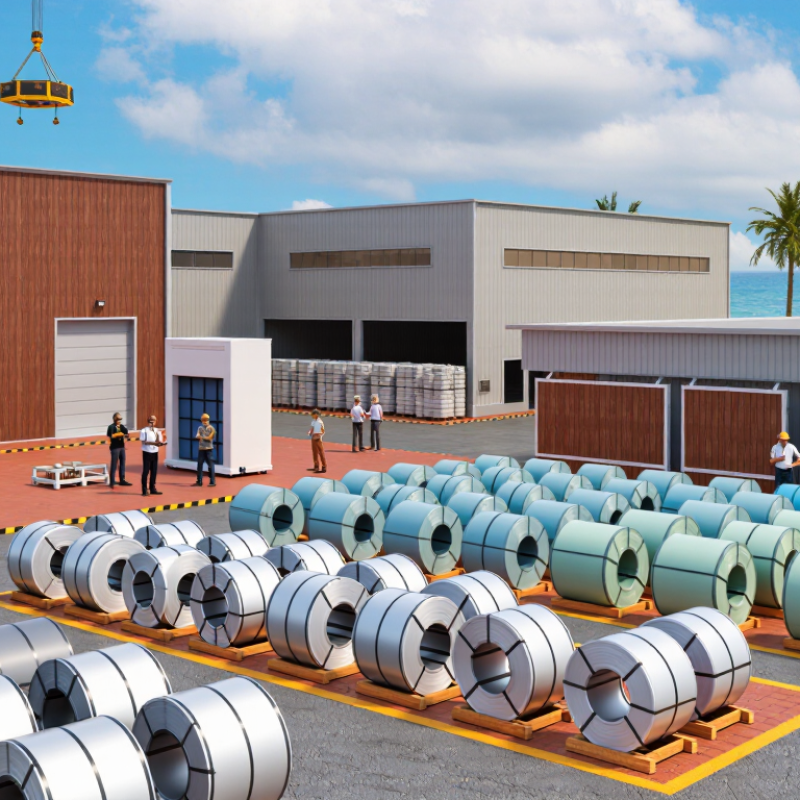
Define the Purpose and Service Conditions of the Steel Coil
Choosing the right color coated steel coil begins with its intended job. A roofing panel faces rain, sunlight, wind, and repeated temperature changes. An indoor partition may need a different coating, even when both products look similar. Define the purpose before comparing color, gloss, or price.
Ask where and how the coil will be used. Will it be roll formed, cut, bent, or stamped? Tight forming can stress the coating and expose weak adhesion. For a warehouse roof, confirm the span, panel profile, drainage design, and maintenance access. Small details matter.
Service conditions should be documented, not guessed. Record humidity, salt exposure, industrial pollutants, UV intensity, and operating temperature. Coastal air can accelerate corrosion at cut edges and fastener points. Condensation inside an unheated building can also damage an unsuitable system. Test samples under realistic forming and exposure conditions when the project is critical. Technical selection should match the substrate, coating type, thickness, and corrosion category required for the environment. Request traceable test data, inspection records, and handling guidance. Experienced engineers can review these details against applicable construction standards. A reliable supplier should explain limitations, not promise that one coil suits every application.
Practical judgment still matters. I have seen attractive finishes fail because storage was damp or edges were scratched during handling. Keep coils dry and protected from standing water. One overlooked condition can undermine a sound specification. Recheck the choice when installation plans change.
How to Choose the Right Color Coated Steel Coil?
Define the Purpose and Service Conditions of the Steel Coil
The chart shows typical metallic coating designations used as starting points for color coated steel coil selection. Values represent the total zinc or zinc-alloy coating mass on both sides, expressed in g/m², consistent with EN 10346 designation levels. Dry indoor applications generally require less protection, while exterior, industrial, coastal, and high-humidity environments require higher coating mass. Final selection should also consider forming, temperature, UV exposure, condensation, pollutants, and the required service life.
Match the Coil Color with Design and Environmental Requirements
Choosing the right color coated steel coil starts with the building’s design and surroundings. A color that looks balanced indoors may appear harsh under direct sunlight. Request a physical sample, not only a digital color chart. Screen settings can distort tone.
Warm colors, such as deep red or bronze, can add visual weight to warehouses and public buildings. Light gray, white, and muted blue often support a cleaner, cooler appearance. Consider the roof, wall panels, windows, and nearby materials together. Small differences become obvious across large facades.
The environment matters just as much. Coastal projects need coating systems suited to salt, moisture, and strong wind exposure. Industrial areas may require better resistance to chemicals and airborne dust. Dark colors absorb more solar heat, which can increase panel temperature and thermal movement. Orientation also changes performance; south-facing surfaces usually receive stronger sunlight. Check the coating specification, gloss level, weathering data, and color tolerance before ordering. A trial panel can reveal unexpected glare. It may also expose a poor color choice early.
During site reviews, I have seen approved colors look different after installation because of lighting, panel direction, and nearby surfaces. This is easy to underestimate. Keep samples beside actual masonry or concrete, preferably outdoors, and inspect them in morning and afternoon light. Batch consistency deserves attention too. Slight variation may be acceptable, but uncontrolled variation can weaken the finished appearance. A practical choice is not always the most attractive one.
Compare Suppliers, Costs, Certifications, and Long-Term Value
How to Choose the Right Color Coated Steel Coil?
Choosing color coated steel coil requires more than comparing colors and quoted prices. Supplier quality affects consistency, delivery, and technical support. A reliable supplier should explain the steel grade, coating type, coating thickness, and production controls clearly. Ask for recent mill certificates, coating test reports, and traceable batch numbers. I prefer suppliers who answer technical questions directly, even when problems appear. That matters. Request samples before ordering, then inspect the surface, edges, gloss, and color under natural light.
The cheapest quotation can hide important costs. Compare the full purchase cost, including freight, slitting, packaging, inspection, storage, and possible replacement risks. A thicker coating may cost more but provide better resistance in humid or coastal environments. However, avoid accepting vague performance promises. Check the paint system, substrate thickness, gloss tolerance, and warranty conditions in writing. I once focused too heavily on unit price. It looked efficient. The later adjustment cost more than expected.
Certifications deserve careful checking, not simple collection. Confirm the issuer, certificate scope, validity period, and connection with the actual production site. ISO 9001 can indicate controlled processes, while project-specific standards may require additional testing. For outdoor applications, request evidence of corrosion, adhesion, and color-retention performance. Field experience still matters. Speak with the supplier’s engineers about forming, cutting, storage, and installation conditions. No checklist is perfect. A supplier may hold excellent documents but provide weak after-sales support. Compare verified evidence, practical communication, and expected service life before selecting a coil.