How to Choose the Best Structural Steel Manufacturer for Your Needs?
Choosing the right Structural Steel Manufacturer is crucial for any construction project. Expert James Turner, a leading figure in the steel industry, emphasizes, “Quality in steel manufacturing ensures durability and safety.” With numerous manufacturers available, selecting the best can be challenging.
It's essential to consider factors like experience, expertise, and reliability. Remember that not all manufacturers offer the same quality of materials or service. For instance, a manufacturer known for its excellent customer support might not excel in timely delivery. This inconsistency can affect your project timeline and costs.
Moreover, the landscape of structural steel manufacturing is ever-evolving. New technologies and processes emerge frequently. Therefore, a company that was reliable five years ago may not meet today’s standards. Researching potential partners is vital. Seek out those with a solid reputation and positive reviews in the industry. Taking the time to assess your options can pay off in the long run, ensuring your project's success.
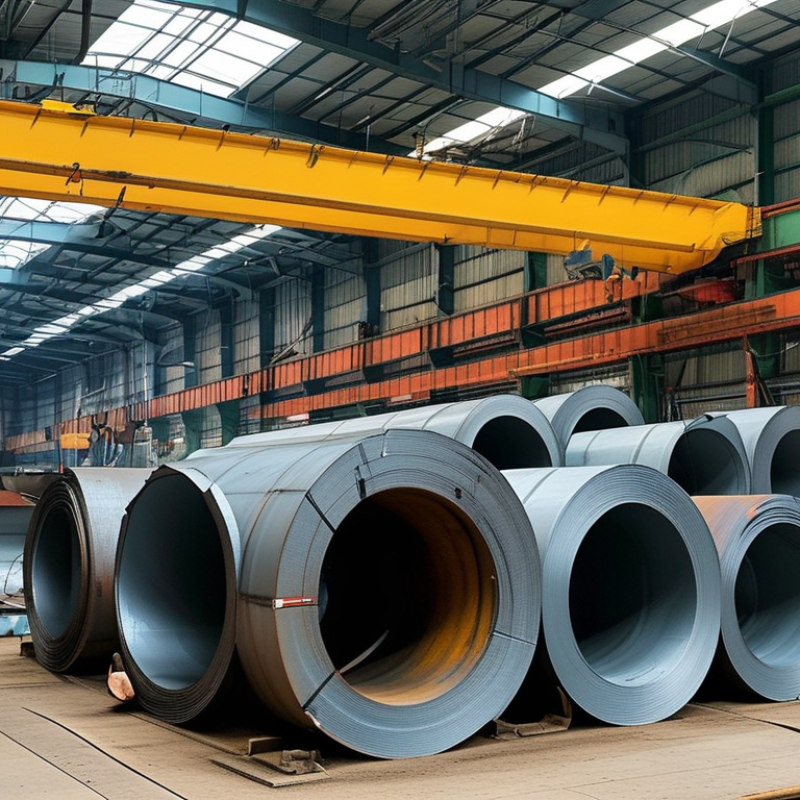
Understanding Your Project Requirements for Structural Steel
When embarking on a structural steel project, understanding your specific requirements is paramount. Structural steel is versatile and widely used in construction. According to a recent report by the Steel Construction Institute, approximately 60% of commercial buildings utilize structural steel due to its strength and durability. However, not all projects are the same, and each has unique specifications.
Begin by determining the load requirements of your project. This directly impacts the type and amount of steel needed. Research indicates that underestimating load can result in costly modifications. Additionally, consider the project’s environmental conditions. For example, projects in coastal areas may need corrosion-resistant steel. Such details should influence your choice of manufacturers, as not all are equipped to handle these specifics.
Lastly, evaluate the manufacturer’s capability and experience. A survey by the American Institute of Steel Construction found that 67% of projects faced delays due to supplier issues. It’s essential to seek a supplier who can meet your timeline and quality standards. Carefully assessing these factors will ensure you select the right partner for your structural steel needs.
Evaluating Manufacturer Certifications and Quality Standards
When selecting a structural steel manufacturer, certifications and quality standards play a crucial role. Manufacturers should comply with applicable industry standards like ISO 9001, which assesses quality management systems. A report from Research and Markets shows that 70% of successful projects rely on certified materials. This highlights the importance of evaluating certifications.
When considering a manufacturer, check for certifications from recognized bodies. Look for compliance with standards such as ASTM A36 and A992. These certifications ensure that products meet performance specifications. Additionally, investigating a manufacturer’s quality management practices provides insight into their reliability.
Tips: Always ask for specific certification documents. Visit the manufacturer’s website for published quality reports. Don't hesitate to request references. Some manufacturers may claim high standards but lack the necessary documentation. This gap could lead to issues in your projects. Doing thorough research helps you avoid such pitfalls. It’s vital to ensure that your chosen manufacturer not only claims quality but also demonstrates it through tangible evidence.
Analyzing Production Capabilities and Technology Used
When selecting a structural steel manufacturer, production capabilities and technology play a crucial role. Recent industry reports indicate that manufacturers utilizing advanced technologies can significantly improve efficiency. Automation in steel production has led to a 25% reduction in operational costs over the last decade. Moreover, companies that invest in modern fabrication technologies often achieve better quality control standards.
A recent survey by the American Institute of Steel Construction (AISC) found that 80% of construction firms prioritize a manufacturer’s ability to adapt new technologies. This adaptability leads to quicker turnaround times. For example, companies using computer-aided design (CAD) systems can reduce design cycles by up to 40%. However, not all manufacturers embrace technology at the same pace. This inconsistency can impact project timelines and budgets.
Additionally, evaluating production capabilities is essential. The National Steel Bridge Alliance (NSBA) notes that manufacturers with diversified capabilities often cope better with market fluctuations. They can pursue various projects ranging from bridges to high-rise buildings. Yet, it’s vital to ensure that these capabilities align with specific project requirements. Some manufacturers may overstate their production capacity, leading to complications later. Addressing these aspects can lead to more informed choices for construction projects.
Comparing Pricing Models and Total Cost of Ownership
When choosing a structural steel manufacturer, understanding the pricing model is crucial. Different manufacturers adopt various pricing strategies, from fixed rates to customized quotes. Consider how these models impact your total project costs. A lower initial price might conceal hidden fees later. Analyze both direct and indirect costs over the lifecycle of the steel you purchase.
When assessing total cost of ownership (TCO), consider factors like installation, maintenance, and longevity. Higher-quality steel may have a higher upfront price, but it often lasts longer and requires less maintenance. Evaluate the performance history of the steel. Did previous projects encounter issues? If so, reflect on the reasons behind those problems.
Tips: Keep an eye on warranties. A strong warranty often indicates confidence in product quality. Research industry standards for steel grades. Expensive isn't always better, but cheap can lead to regret. Talk to experienced professionals for insights. Their practical experience can guide your decision-making process.
Researching Customer Reviews and Industry Reputation
When selecting a structural steel manufacturer, customer reviews and industry reputation play crucial roles. Explore reliable online platforms where past customers share experiences. Look for consistent themes in these reviews. Some may praise a manufacturer’s timeliness, while others might highlight their quality standards. These insights offer a real-world glimpse into operational reliability.
Industry reputation is equally important. Manufacturers with a solid standing often engage in community initiatives or contribute to industry developments. This involvement demonstrates their commitment beyond profit. However, be cautious of overly positive reviews. Some might be filtered or sponsored. Genuine feedback tends to have both praises and critiques, reflecting a balanced view.
Check for industry certifications and affiliations. These certifications can indicate adherence to quality and safety standards. A well-regarded manufacturer invests in training and development. Their workforce should be knowledgeable in the latest technologies and practices. This expertise leads to better product quality and service reliability. However, newer manufacturers might offer innovative designs and competitive pricing but can lack experience. Balancing reputation with modern approaches is essential for informed decision-making.