Choosing the best slip masterbatch for 2026 starts with the film, not the sales brochure. A clear polyethylene pouch, a multilayer food wrapper, and a woven sack do not need identical slip performance. Resin type, film thickness, storage temperature, and converting speed all matter. So does the required coefficient of friction. A formulation that runs smoothly on one line may cause blocking or winding problems on another.
The OECD’s Global Plastics Outlook (2022) reports that global plastics production reached 460 million tonnes in 2019. It also estimates that 353 million tonnes of plastic waste were generated that year, with only 9% ultimately recycled. These figures do not measure slip masterbatch demand, but they underline why material efficiency and consistent processing deserve attention. Slip additives can help films move through converting equipment; they do not, by themselves, make packaging sustainable.
What should buyers compare in 2026? Active ingredient, carrier-resin compatibility, dosage range, migration behavior, and performance after aging. Ask suppliers for test conditions, not just a headline friction value. Then validate the grade on your own line. Small details matter: a roll stored overnight may behave differently from freshly made film. There is no universal winner. A named, verbatim quotation from a slip-masterbatch specialist was not included in the supplied material, so this introduction avoids inventing one.
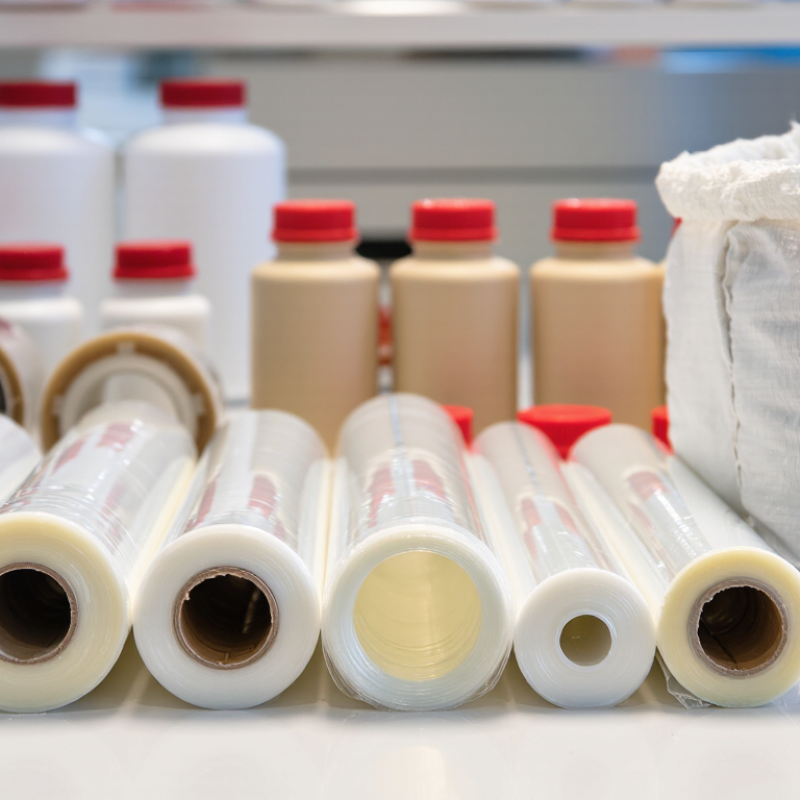
Slip masterbatch is a concentrated additive package mixed into plastic resin during film or part production. It usually contains a slip agent dispersed in a compatible carrier resin. During cooling and storage, some of that agent moves toward the plastic surface. There, it creates a thin, low-friction layer. That helps film layers slide apart and can make winding, unwinding, and bag opening easier.
The effect is not instant. A freshly made film may feel different after a day or two, as the additive migrates. Temperature, resin type, additive level, and storage conditions all influence the result. Too little may leave rolls tight or difficult to separate. Too much can cause haze, printing problems, or a slippery surface that feels wrong in use. Small changes matter.
For a practical trial, compare samples at the same thickness and processing conditions. Measure the coefficient of friction, then check roll handling and print adhesion after realistic storage. A low friction reading alone does not prove the formulation is suitable. It is easy to overestimate one test. The best balance depends on the package, line speed, and how long the material sits before conversion. Test carefully, and expect some adjustment.
Typical melting-point ranges of two common amide slip additives
Oleamide and erucamide migrate toward a film surface, where they can reduce friction. Their melting points are reference properties, not a performance ranking: the best slip masterbatch depends on the polymer, processing conditions, desired coefficient of friction, and application. Confirm performance with testing such as ASTM D1894. Typical values can vary with purity and supplier.
A high-performance slip masterbatch should reduce friction predictably without weakening the film or disrupting downstream converting. Its active additive must disperse evenly, so treated surfaces behave consistently across the roll. That matters. Too much slip can cause blocking, printing problems, or unstable sealing. The right balance depends on the resin, film thickness, storage time, and end use.
Migration behavior is central. The additive should reach the surface at a useful rate, then maintain a stable coefficient of friction during storage and handling. Compare friction readings at several intervals, not just immediately after production. Also check haze, tensile strength, seal performance, and whether the film runs smoothly on actual equipment. Lab results help, but line trials can reveal surprises. Small details matter.
Processing stability is another key property. The masterbatch should feed reliably, disperse at the intended let-down ratio, and avoid gels or visible specks. Compatibility with the base polymer matters; an impressive additive package is no benefit if it creates defects. There is no universal best grade for 2026. A packaging film needing fast slip may require a different migration profile than a bag stored for months. Treat “more slip” with caution: sometimes the target is dependable handling, not the lowest possible friction.
The best slip masterbatch in 2026 is not a universal recipe. Selection starts with the polymer. A carrier resin should blend well with the base material; poor compatibility can cause haze, uneven dispersion, or surface defects. Polyethylene and polypropylene films often use different formulations and let-down rates. More polar polymers may need extra compatibility checks. Small differences matter.
Processing conditions change how slip behaves. Melt temperature, screw shear, and residence time can affect dispersion and additive migration. A film that runs smoothly at one temperature may show a different coefficient of friction after cooling or storage. Not always obvious. Check the actual line settings, film thickness, and winding pressure before choosing a grade. A warm, tightly wound roll can behave differently from a loose sample on a bench.
Test under realistic conditions. Measure friction soon after production, then again after a defined aging period, since slip agents may take time to reach the surface. Record blocking, haze, printability, and seal performance alongside friction. A useful plant-floor check is to compare samples from the beginning and end of a production run. Results can be imperfect; humidity and handling may shift them. That is a reason to repeat trials, not to trust a single reading.
Comparing slip masterbatches starts with the film’s job, not a headline coefficient. A food pouch, stretch wrap, and agricultural film need different balances of surface slip, blocking resistance, seal performance, and clarity. Plastics Europe’s Plastics—the Fast Facts 2024 reports global plastics production of 413.8 million tonnes in 2023. That scale covers very different products, so one additive recipe cannot suit every line.
For packaging film, measure coefficient of friction using ASTM D1894, then test the actual film against its intended contact surface. Check results after conditioning, because slip additives can migrate over time. For bags that must open easily, include blocking and seal-strength tests; for clear film, inspect haze and surface appearance. Record additive dosage, film thickness, resin type, and test conditions. Otherwise, comparisons can mislead.
Ask suppliers for test data under conditions close to your process, then run a production-scale trial. Small lab samples may not reproduce winding pressure or storage temperature. That matters. I would also question a very low friction result if seals weaken or printed surfaces become difficult to handle. The “best” grade is the one that meets the converter’s operating window, though defining that window is not always straightforward.
What Is the Best Slip Masterbatch for 2026?
What Factors Matter Most When Choosing a Slip Masterbatch for 2026?
The best choice depends on the finished film, not a headline performance claim. Start with the resin, film thickness, sealing method, line speed, and end use. Slip additives can migrate to the film surface over time, so test both freshly made and aged samples. A low coefficient of friction on day one may not last.
Check static and kinetic friction using ASTM D1894, and record test conditions. Then run the film on your actual converting line. Watch roll release, bag opening, printability, and seal strength. A neat lab result can still disappoint on a fast line. This is where buyers sometimes over-trust one number. Ask for dosage guidance, technical data, and batch consistency information.
Sustainability also deserves attention. The OECD’s Global Plastics Outlook (2022) estimates that 353 million tonnes of plastic waste were generated worldwide in 2019, while only 9% was recycled after losses. This is broad context, not proof that any one additive improves recyclability. Still, it supports checking whether the masterbatch suits the film’s intended recovery pathway and whether its carrier resin matches the base polymer. Ask for relevant test evidence, and be specific about the film structure being evaluated. A small trial is often worth the extra time.
There is no single best option for every application. The right choice depends on the polymer, target friction, film use, processing conditions, and any printing, sealing, or regulatory requirements. The comparisons below are general guidance; confirm product-specific details with technical data and trials.
| Factor | What to Evaluate | Practical Guidance | How to Verify |
|---|---|---|---|
| Slip-agent chemistry | Common options include fatty-amide slip agents such as oleamide and erucamide, as well as silicone-based additives. | Oleamide generally develops surface slip more quickly; erucamide typically migrates more slowly. Silicone-based additives can provide durable slip, but may affect downstream surface operations. | Compare the additive type, active content, and carrier resin on the technical data sheet. Test finished material rather than selecting by chemistry alone. |
| Polymer and carrier compatibility | Compatibility with the base resin affects dispersion, surface performance, and processing stability. | Choose a carrier compatible with the production polymer and the required process. A mismatch can contribute to poor dispersion, visible defects, or inconsistent performance. | Run a trial using the intended resin, line conditions, and let-down rate. Check appearance and consistency across the roll or molded part. |
| Coefficient of friction (COF) | Static and dynamic COF describe different aspects of surface friction and may change over time. | Set a target based on the application—for example, film handling, bag opening, stacking, or winding. Lower COF is not always better if it causes handling or converting problems. | Measure film COF using a defined method such as ASTM D1894, and record test conditions, sample age, and whether static or dynamic COF is reported. |
| Migration and conditioning time | Many fatty-amide slip agents migrate toward the surface, so performance can develop or change after production. | Consider how soon the material must be converted or used. Faster surface development may suit short lead times; slower development may be preferable when gradual change is acceptable. | Measure COF at agreed intervals after production and after relevant storage or conditioning. Use the same temperature and test method for comparisons. |
| Blocking and antiblock interaction | Slip additives and antiblock agents can both affect film handling, but they serve different functions. | Antiblock helps reduce film-to-film adhesion; slip reduces surface friction. The balance can influence opening, winding, clarity, and surface feel. | Evaluate COF, blocking, haze, and handling together in the finished formulation instead of optimizing only one measurement. |
| Printing, coating, and sealing | Surface additives can affect ink or coating adhesion and heat-seal behavior, depending on chemistry, loading, and process conditions. | If the material will be printed, coated, laminated, or sealed, select a grade suitable for those steps and avoid assuming that a low COF automatically means good convertibility. | Test adhesion and seal performance using the actual inks, coatings, seal conditions, and converting process. |
| Optical and surface appearance | Additive dispersion and surface deposits can influence haze, gloss, clarity, or visible bloom. | For clear or high-gloss applications, prioritize appearance requirements and assess the material after conditioning, not just immediately after processing. | Measure optical properties with the relevant method and inspect samples after storage under representative conditions. |
| Processing conditions | Temperature, residence time, output, and mixing can change additive dispersion and performance. | Confirm that the masterbatch is suitable for the processing method and temperature range. Establish a stable let-down rate through controlled trials. | Record processing conditions and compare samples made under representative production settings. Follow the supplier’s handling and processing guidance. |
| Food-contact and regulatory requirements | Compliance depends on the specific formulation, intended use, market, and applicable regulations. | For food-contact applications, obtain current documentation for the exact grade and confirm suitability for the intended food type, contact conditions, and destination market. | Review supplier declarations and supporting documentation with the responsible regulatory or quality team before production. |
| Dosage and total cost | Masterbatch concentration and recommended let-down rate vary by grade; the lowest addition rate is not necessarily the most cost-effective choice. | Start within the supplier’s recommended range, then optimize against performance, scrap, process stability, and downstream requirements. | Compare cost-in-use at the required finished-part performance, and document the selected let-down rate for production control. |
WhatsApp us