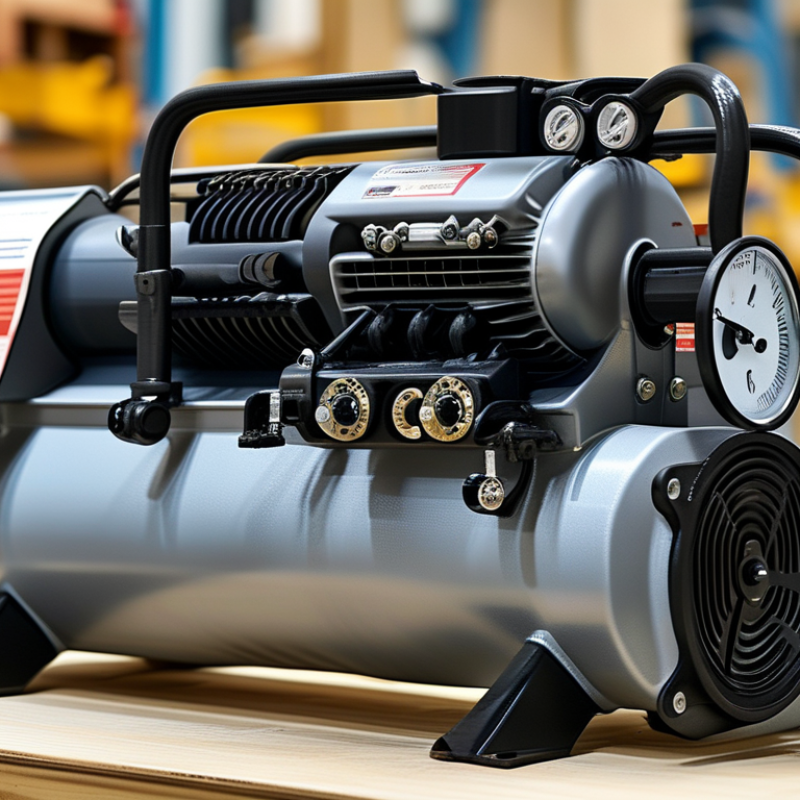
How to Choose the Best Screw Air Compressor for Your Needs?
Choosing the right Screw Air Compressor can be daunting. There are many options available, each with unique features. Understanding these details is crucial for making an informed decision.
When selecting a Screw Air Compressor, consider your specific needs. Different applications require varying capacities. Your industry, whether manufacturing or automotive, significantly influences this choice. Factors such as power consumption and noise levels are also important. Make sure to evaluate the long-term costs, not just the initial purchase price.
Expertise is essential in this process. Consulting with professionals can provide insights that are often overlooked. A reliable compressor is not only an investment in equipment but also in productivity. Taking the time to research thoroughly will yield better results. Remember, the goal is to find the perfect match for your operational demands.
Understanding the Basics of Screw Air Compressors and Their Mechanisms
Screw air compressors are popular due to their efficiency and durability. They use rotating screws to compress air, which creates a continuous and stable air supply. Understanding this mechanism is crucial for choosing the best model for your needs. These compressors typically have a higher efficiency than piston models, with energy savings of approximately 15% to 25% reported in industry studies.
Tip: Consider the specific compressed air requirements of your application. If you need a constant flow, a screw compressor will likely be optimal. However, if your demand is variable, you might reassess your choice based on performance needs. It's essential to look at the capacity and duty cycle of the compressor in relation to your tasks.
Compressed air costs can account for up to 30% of a facility’s energy bill. Wise selection and maintenance of a screw air compressor can reduce operational costs significantly. Monitoring system leaks and ensuring proper installation can further enhance efficiency. Regular service schedules can help maintain optimal performance, although some users neglect this aspect, leading to decreased reliability over time. Focus on these areas to ensure your system remains efficient.
How to Choose the Best Screw Air Compressor for Your Needs?
| Dimension | Details |
| Air Flow Rate | 5 - 1000 CFM |
| Pressure Range | 90 - 150 PSI |
| Power Consumption | 3 - 100 HP |
| Tank Size | 30 - 500 Gallons |
| Noise Level | 60 - 80 dB |
| Efficiency Rating | 85% - 95% |
| Application | Industrial, Commercial, Automotive |
Key Factors to Consider When Selecting a Screw Air Compressor
Choosing the right screw air compressor involves several key factors. Assess your air requirements first. Calculate the required flow rate in cubic feet per minute. This will guide you in selecting an appropriate size.
Next, consider the compressor's efficiency. Look for models that optimize energy consumption. This can lead to substantial cost savings over time. Additionally, noise levels matter, especially if the compressor will be in a workspace. A quieter unit can enhance the working environment.
Lastly, think about maintenance needs. Regular servicing is crucial for longevity. Some units may require frequent checks that could disrupt operations. It’s essential to ensure that spare parts are readily available. Reflect on your specific circumstances and needs to make the best choice. Choosing a compressor can feel overwhelming, but taking the time to evaluate these factors will pay off.
Evaluating Airflow and Pressure Requirements for Your Applications
When selecting a screw air compressor, understanding airflow and pressure requirements is crucial. Applications vary widely, from powering machinery to inflating tires. An industrial report from the Compressed Air and Gas Institute indicates that optimal airflow rates typically range from 100 to 500 CFM for most manufacturing processes. Knowing your specific needs will help narrow down your options.
Pressure requirements can significantly impact compressor selection. The general rule is to match the compressor's output with the system’s working pressure. For example, most pneumatic tools require between 80 to 100 psi. Falling below these specifications can lead to subpar tool performance and increased wear over time. Additionally, inconsistency in pressure may cause downtime and costly repairs.
It is essential to consider the total cost of ownership. Beyond initial purchasing costs, maintenance plays a vital role. Compressors may need regular servicing to maintain airflow efficiency. A study by the International Energy Agency suggests that poorly maintained systems can increase energy consumption by up to 30%. Investing in a reliable compressor requires weighing these long-term factors against immediate needs.
Analyzing Energy Efficiency Ratings and Operational Costs
When selecting a screw air compressor, energy efficiency ratings play a crucial role. The efficiency of these compressors is often measured by their specific power, typically expressed in kW/cfm. According to a report by the International Energy Agency, compressors can account for about 10% of a manufacturing facility's energy consumption. This highlights the impact of choosing an efficient model.
Operational costs extend beyond just purchase price. Maintenance, energy, and replacement components can accumulate quickly. For example, poorly maintained compressors can increase energy consumption by as much as 30%. Regular servicing can mitigate this and improve efficiency. Choosing the right compressor involves not only upfront costs but also understanding long-term operational expenses.
While high-efficiency compressors may seem like a larger investment, the return on investment is often significant. Studies indicate that the most efficient models can reduce energy costs by 25% or more over their lifetime. Still, one must consider specific needs and applications. Not all facilities will benefit from the highest-rated models. Tailoring choices to unique operational demands is essential for optimizing both performance and cost.
Energy Efficiency Ratings and Operational Costs of Screw Air Compressors
Assessing Maintenance Needs and Lifespan of Screw Air Compressors
When choosing a screw air compressor, understanding maintenance needs is crucial. Regular maintenance extends the lifespan and functionality of the compressor. Check the oil level and quality frequently. Neglecting these aspects can lead to costly repairs. Each compressor has specific maintenance requirements. Familiarity with these can prevent potential issues down the line.
Lifespan also depends on usage patterns. Overworking a compressor can diminish its life. It's advisable to monitor operating hours closely. Ensure proper ventilation and cooling to avoid overheating. Some users ignore these details, risking equipment failure. Understanding how your work environment impacts the compressor's durability is essential. Investing in scheduled maintenance can save time and money in the long run.