How to Choose the Right Master Batch for Your Needs?
Choosing the right master batch can significantly impact your production quality. Expert Jack Thompson, a specialist in polymer technology, emphasizes, “Selecting the right master batch is crucial for consistent results.” Understanding your needs will lead to better choices in materials.
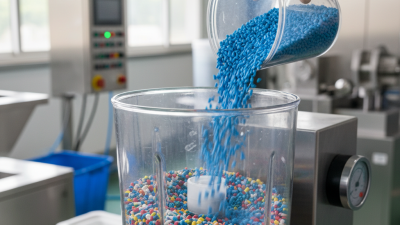
Master batches are concentrated mixtures. They blend colorants or additives with a carrier resin. It's vital to consider your specific application and desired properties. The selection process can be daunting. Mistakes in this area may result in unsatisfactory product performance.
Some companies overlook the importance of compatibility between master batch and base materials. This can lead to poor dispersion and unwanted defects. When evaluating different options, take the time to consult experts. The expertise can save money and time in the long run. Finding the right master batch can transform your production process for the better.
Understanding Masterbatches and Their Applications
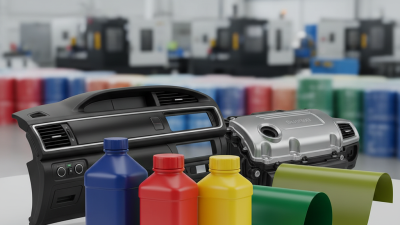
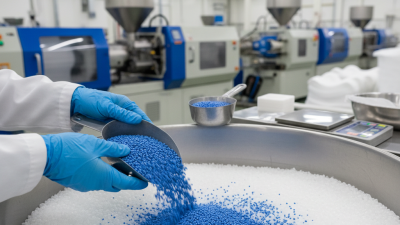
Masterbatches are concentrated mixtures used in manufacturing plastics. They enhance the properties of polymers. Commonly, they contain additives, colorants, and fillers. According to industry reports, the global market for masterbatches is expected to grow by 5% annually. This indicates the rising demand for tailored solutions in various applications.
Different applications require different types of masterbatches. For example, certain industries prioritize UV resistance, while others need flame retardancy. Understanding the core requirements of your application is essential. Yet, many manufacturers fail to assess these needs accurately. They often select masterbatches based purely on cost, overlooking performance factors.
Tips: Always test a small sample before a full-scale purchase. This helps you understand how the masterbatch interacts with your base material. Pay attention to the processing temperature and compatibility. Misjudging these factors can lead to defects or poor quality.
Another consideration is environmental impact. The trend towards sustainability is strong. Many companies are shifting to biodegradable masterbatches. However, transitioning can be complex. Improper integration can affect overall product quality. Monitor feedback during trials to ensure alignment with expected sustainability goals.
How to Choose the Right Master Batch for Your Needs? - Understanding Masterbatches and Their Applications
| Property |
Description |
Common Applications |
| Color |
The hue and intensity of the color. |
Consumer products, packaging, and automotive. |
| Additive Type |
Special compounds for enhanced properties like UV stability. |
Outdoor products, electronics, and construction. |
| Carrier Resin |
The base polymer used to hold the additives and pigment. |
Injection molding, blow molding, and film extrusion. |
| Melt Flow Index (MFI) |
Indicates the flow characteristics of the resin during processing. |
High-speed processing applications. |
| Concentration |
Ratio of masterbatch to base resin for achieving specific results. |
Custom blends for tailored applications. |
Identifying Your Specific Requirements for Masterbatch Selection
Choosing the right masterbatch
is crucial for achieving desired outcomes in plastic products. It starts with identifying your specific requirements. The type of polymer you are using can greatly influence the selection process. For instance, polyolefins often require different additives than PVC. Understanding the compatibility of various masterbatches with your base resin is essential.
Additionally, consider the functional properties you need. Are you looking for color, UV resistance, or flame retardance? A study by the European Plastics Converters Association indicates that around 70% of manufacturers prioritize color masterbatches due to aesthetic preferences. However, many neglect the impact of additives. These can significantly affect performance and cost.
Another aspect is the processing conditions. High temperatures and shear forces can alter masterbatch performance. If you're not aware of these parameters, you may face challenges during production. It’s essential to test samples under actual conditions. Manufacturers often overlook this step, which can lead to subpar results. Taking time to assess these specific needs can save costs and time in the long run.
Evaluating the Characteristics of Different Types of Masterbatches
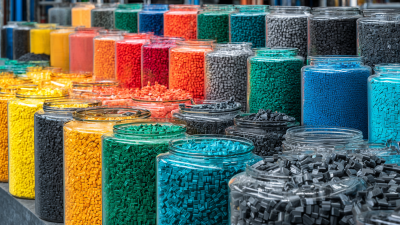
When choosing the right master batch, evaluating its characteristics is crucial. Master batches are concentrated mixtures intended for enhancing the properties of plastics. Depending on the application, different types of master batches can provide specific benefits. For instance, a recent market report indicates that color masterbatches dominate 50% of the market. They offer vibrant hues and shading options tailored for various applications.
The physical properties of master batches should not be overlooked. For example, the melt flow index affects how well the master batch integrates into the base resin. High melt flow master batches are easier to blend but may impact final product strength. In contrast, low melt flow options can enhance mechanical properties. Understandably, this balance can be tricky. Some manufacturers struggle to find this balance, leading to either inferior products or excessive costs.
Additives also play a significant role. UV stabilizers and anti-oxidants can prolong the lifespan of finished products. Data shows that 30% of companies cite durability as a primary factor in master batch selection. However, the effectiveness of these additives may fluctuate based on environmental conditions. As such, users should be mindful of their specific requirements, noting that not all master batches meet every need perfectly. This complex decision-making process highlights the importance of thorough testing and analysis.
Comparing Cost and Performance Factors in Masterbatch Options
Choosing the right masterbatch involves understanding cost and performance factors. Prices vary significantly across different formulations. Factors like pigment concentration and polymer type influence pricing. A higher cost does not always equate to better performance. Sometimes, a less expensive option can deliver satisfactory results for specific applications.
Performance can be evaluated through various metrics, such as color strength and dispersion quality. Users often overlook these elements, focusing solely on cost. In some cases, a low-cost masterbatch might lead to increased waste due to poor processing. This can add hidden costs further down the line.
Additionally, testing small batches can be crucial. Initial tests may reveal unexpected issues, such as color fading or inadequate durability. It’s important to reflect on these performance aspects during selection. Balancing cost against actual performance requires careful thought. A deep understanding of your needs will guide you toward the perfect match.
Consultation and Testing: Final Steps in Choosing the Right Masterbatch
Choosing the right masterbatch can be daunting. The right consultation is essential to clarify your specific needs. What products are you creating? How will they be used? This stage requires open communication with experts. Discuss your goals, material compatibility, and desired properties. Getting this right can save you time and money.
Testing is another critical step. It allows you to evaluate how the masterbatch performs in real settings. Start with small-scale trials to see results. Test different blends and processing conditions. Document everything carefully. Sometimes, the initial choice might not meet expectations. Don't hesitate to adjust your approach based on findings. Learning from these tests is invaluable. Each trial can provide insights that lead to better outcomes.