How to Choose the Best Wood Plastic Composites for Your Needs?
The Wood Plastic Composites Market has grown significantly in recent years. This growth is driven by the demand for sustainable and durable building materials. Consumers are increasingly looking for eco-friendly options that combine the strength of wood with the advantages of plastic.
Selecting the right wood plastic composites for your specific needs can be challenging. Different products offer varying levels of durability, aesthetics, and cost-effectiveness. Understanding these differences is essential for making an informed decision.
Moreover, not all wood plastic composites are created equal. Some may lack long-term reliability, while others could exceed expectations. It's crucial to assess your climate, usage, and maintenance preferences. Engaging with professionals and reviewing product specifications can enhance your decision-making process. In the end, finding the perfect composite is a journey, marked with reflection and consideration.
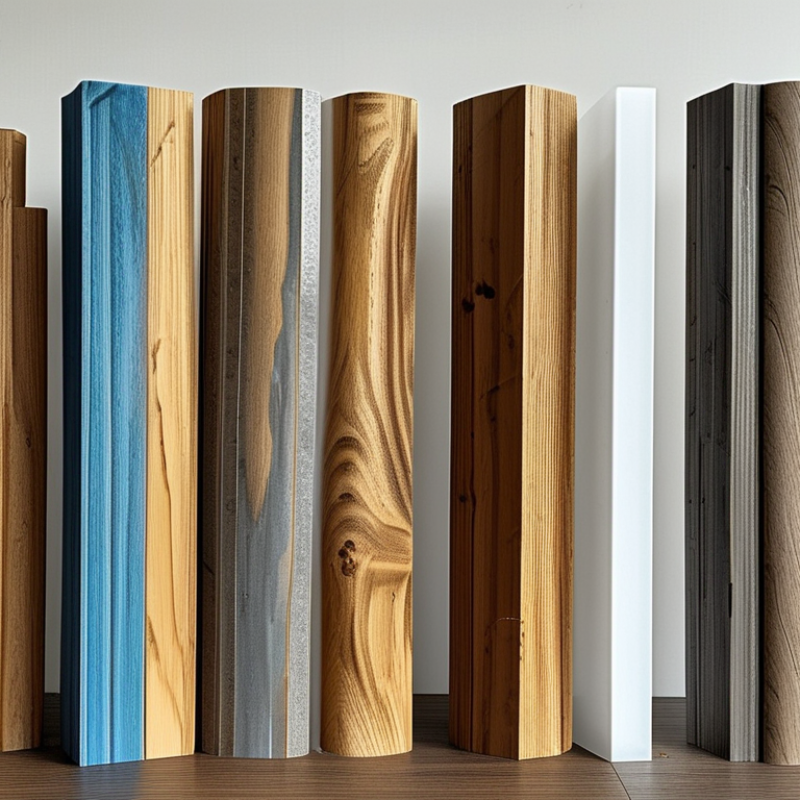
Understanding Wood Plastic Composites: Definition and Composition
Wood plastic composites (WPCs) are innovative materials that combine wood fibers with plastic. This unique blend offers advantages over traditional materials. WPCs are often used in outdoor decking and furniture. They resist moisture, insects, and fading, making them a reliable choice for various applications.
The composition of WPCs involves mixing wood flour or fibers with thermoplastics. Common plastics used include polyethylene and polypropylene. The exact ratio of wood to plastic can significantly affect the material's properties. A higher wood content may enhance aesthetics, while increasing plastic could improve durability. Understanding this balance is crucial.
Despite their benefits, WPCs are not perfect. They can warp or fade if not properly maintained. Environmental impact is a concern too, as some plastics are not recyclable. Consumers must reflect on these factors when selecting WPCs for their needs. Balancing aesthetics, functionality, and sustainability will guide you to the best choice for your project.
Comparison of Different Types of Wood Plastic Composites
Assessing Your Project Needs: Practical Considerations for Material Choice
Choosing the right wood plastic composites (WPC) requires a deep understanding of your project requirements. A study from the Plastic Wood Composites Market shows that the use of WPC has increased by nearly 25% in the last five years. This growth indicates a strong demand for versatile materials. However, not all WPCs are created equal. Factors like application, climate, and maintenance must be considered.
Assessing the specific environment your WPC will face is crucial. For instance, if it's outdoors, resistance to UV light and moisture is essential. The National Association of Home Builders reports that WPCs can last 25 years with proper care. This longevity is appealing, yet the initial costs can be high. Some users find that cheaper alternatives deteriorate faster, leading to higher long-term expenses. Evaluating the costs versus benefits can be challenging.
Think about the aesthetics of the composite as well. The variety in appearance can significantly affect project outcomes. Research indicates that consumers prioritize visual appeal, often overlooking durability. This oversight can result in dissatisfaction over time. It's important to balance looks with functional performance. Reflecting on these details will lead to a more informed decision.
Evaluating Performance: Key Characteristics of Wood Plastic Composites
When selecting wood plastic composites (WPCs), performance characteristics are crucial. Understanding these traits helps in making informed choices. Durability is key; WPCs often resist warping better than solid wood. This resistance comes from their unique blend of wood fibers and plastic. It is essential to evaluate the specific conditions they will face.
Another significant aspect is moisture resistance. WPCs can withstand exposure to water better than traditional materials. Yet, not all products are created equally; some may still absorb moisture. This can lead to decay over time. Checking the manufacturer's specifications and performance standards is vital to ensure longevity.
Aesthetic appeal is also important. WPCs offer various finishes and colors, providing flexibility for design. However, some may fade or show wear over time. This potential for aesthetic change should be weighed against the advantages of low maintenance. Understanding these factors can guide you in choosing the right WPC for your project needs, balancing durability, moisture resistance, and appearance.
Environmental Impact: Sustainability Factors in Material Selection
Choosing the right wood plastic composites (WPC) involves understanding their environmental impact. Sustainability plays a crucial role in material selection. Many WPCs incorporate recycled materials, which help minimize waste. However, not all composites are created equal. Some may still rely on non-renewable resources. It’s essential to investigate the source of materials used in the composite.
The carbon footprint is another significant factor. Production processes can vary widely. Some manufacturers prioritize eco-friendly practices, while others do not. Look for certifications that indicate responsible sourcing. Factories that prioritize renewable energy can further reduce environmental harm. Assess the durability of the product too; longer-lasting materials can mitigate the need for replacements.
WPCs also present challenges. The balance between performance and eco-friendliness can be tricky. Some options that are marketed as sustainable may not perform well for specific applications. Users must carefully evaluate their needs and seek reliable resources to guide their decisions. Reflecting on these factors can lead to more informed choices and a positive impact on the environment.
Comparing Costs: Budgeting for Quality in Wood Plastic Composites
When budgeting for wood plastic composites (WPC), understanding the cost factors is essential. A recent industry report indicated that high-quality WPC can range from $2.50 to $5.00 per square foot. This variation depends largely on the material composition and manufacturing process. More durable composite options often incur higher upfront costs but may lead to long-term savings through reduced maintenance.
Installation expenses can also fluctuate significantly. Some estimates suggest that labor can add an additional $1.50 to $3.00 per square foot. It's vital for homeowners to weigh these costs against the composite's lifespan and potential for replacement. A well-researched choice can prevent unexpected expenses, particularly regarding material degradation over time.
Quality should never be compromised for cost savings. Studies show that cheaper materials often require more frequent replacements, negating any financial benefits. For instance, low-cost options might offer a lifespan of 10 years, while higher-quality WPC can last two decades or more. Thus, investing in quality materials may ultimately save money in the long run.