How to Choose the Best Steel Stamping Dies for Your Needs?
Choosing the right Steel Stamping Dies is crucial for manufacturing efficiency. These tools determine the quality of your stamped parts. With various designs, materials, and specifications, the selection can be overwhelming. Understanding your specific needs can help narrow the options.
Consider the materials involved in your project. Certain steels are better suited for specific applications. The complexity of your design also matters. A more intricate design may require more advanced dies. Sometimes, it's beneficial to consult with experts who understand industry standards and best practices. Their insights can save you time and resources.
Reflect on the longevity and maintenance of your chosen Steel Stamping Dies. While some options are affordable, their durability might be in question. Investing in higher-quality dies may offer better long-term value. Always balance cost with performance to ensure your production process runs smoothly. Select wisely, as the right choice impacts both efficiency and product quality.
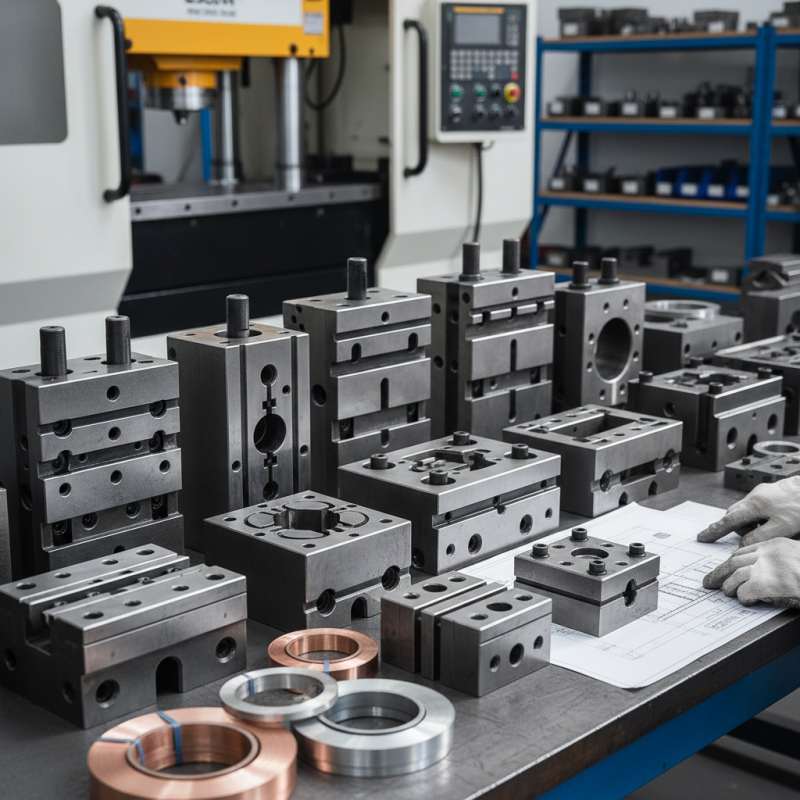
Understanding the Different Types of Steel Stamping Dies
When selecting steel stamping dies, understanding their types is crucial. There are several categories to consider. Progressive dies are ideal for high-volume production. They allow multiple operations on a single sheet in one go. This can save time and improve efficiency. However, they require a significant upfront investment.
Another type is compound dies. These work best for simple shapes and can perform multiple operations simultaneously. Their setup is easier, making them a good choice for smaller batches. But keep in mind that they may not be suitable for complex designs.
Tips: Consider your production volume and design complexity. High-volume needs lean towards progressive dies. For intricate shapes, opt for compound dies. Regularly assess your die condition to avoid unexpected downtimes. Maintaining dies properly can prolong their lifespan. Emphasize the importance of quality materials in die construction.
Be aware that no die will last indefinitely. Observe wear and tear critically. Frequent check-ups can prevent costly mistakes. In the end, understanding these die types means a better fit for your projects. Aim for a balance between cost, efficiency, and production needs.
Types of Steel Stamping Dies
This chart illustrates the different types of steel stamping dies and the estimated number of times each type might be used annually in various manufacturing settings. Progressive dies are used most frequently, while multi-slide dies are used the least.
Key Factors to Consider When Choosing Steel Stamping Dies
When selecting steel stamping dies, consider material quality as a primary factor. High-quality steel ensures durability and precision in the stamping process. Dies made from inferior material can lead to errors and short lifespans. Pay attention to wear resistance and strength in the materials used.
Design is another crucial element. Custom designs may be necessary for specific applications. Ensure the die’s design meets your operational requirements. A poorly designed die can result in production delays and increased costs. Evaluate existing designs and assess their efficiency.
Tip: Always verify the manufacturer’s reputation. Review their past projects and customer feedback.
Compatibility with your stamping machines is vital. Make sure the dies fit your equipment perfectly. A mismatch can cause mechanical failure and damage. Regularly updating your dies helps maintain production efficiency.
Tip: Keep a maintenance schedule for your stamping dies. A breakdown during production can hurt timelines.
Lastly, think about the die's factory support availability. Having a reliable support system can save time and money when issues arise. An absent support system can leave you scrambling for quick solutions, adding stress to your operations.
Assessing Your Production Volume and Application Requirements
Choosing the right steel stamping dies is crucial for any manufacturing process. Assessing your production volume and application requirements can help guide your decision. Understanding the specifics of your production needs is vital. For small-scale operations, simpler dies may suffice. However, high-volume production often demands more complex designs and materials.
When considering your needs, think about the types of materials you will be stamping. Different materials may require different die designs. This leads to variations in cost and longevity. High-strength metals might need more robust dies, while softer metals allow for more flexibility.
Tips: Establish a clear estimate of your production volume. This will streamline your die selection process. If you foresee growth in production, invest in versatile dies. Regularly review your application requirements as they can evolve over time. Remember, what works now may not be effective in the future. Analyze feedback from your production team to ensure relevance.
Material Selection: Evaluating Steel Grades and Hardness
When selecting steel stamping dies, material choice is critical. Different steel grades offer varying levels of strength, flexibility, and durability. Common grades include carbon steel, tool steel, and stainless steel. Each has unique properties. Carbon steel is cost-effective but may wear out faster. Tool steel is harder and ideal for high-precision work. Stainless steel resists corrosion but can be more challenging to machine.
Hardness is another essential factor in material selection. Hardness determines how well a die can withstand wear and tear during use. Harder materials generally last longer but can be more brittle. Finding a balance is crucial. Too much hardness might lead to cracks. Conversely, softer materials may not endure rigorous stamping processes.
Evaluating your specific needs is vital. Consider the production volume and the complexity of the parts. High-volume runs may benefit from harder, more durable dies, while low-volume production could use softer materials. Always assess your application requirements carefully. Even a small detail can significantly impact the final outcome.
Cost-Benefit Analysis: Balancing Quality and Budget for Dies
When selecting steel stamping dies, a cost-benefit analysis becomes crucial. The quality of dies often directly impacts production efficiency. High-quality dies may have a higher upfront cost, but they tend to last longer and require fewer replacements. According to industry reports, investing in durable dies can reduce operational costs by up to 30% over time. A long-lasting die minimizes downtime, which can be more costly than the initial investment.
While it’s tempting to choose the cheapest option, this approach can backfire. Lower quality dies might require frequent repairs and replacement, increasing costs in the long run. A study indicates that nearly 40% of manufacturers experience significant losses from using subpar tools. It’s essential to weigh the initial savings against potential long-term costs.
Budget constraints are valid, but compromising on die quality could lead to inefficiency. Consider the specific needs of your projects. A good balance between cost and quality is key. In some cases, investing a bit more upfront can yield better outcomes. The goal should always be to enhance productivity while remaining within budget. Engaging with experts can aid in making informed decisions, ensuring your investment pays off.