How to Choose the Best Power Loom Machine for Your Business?
Choosing the right Power Loom Machine is crucial for any textile business. A power loom can significantly enhance production efficiency and quality. However, selecting the best machine demands careful consideration.
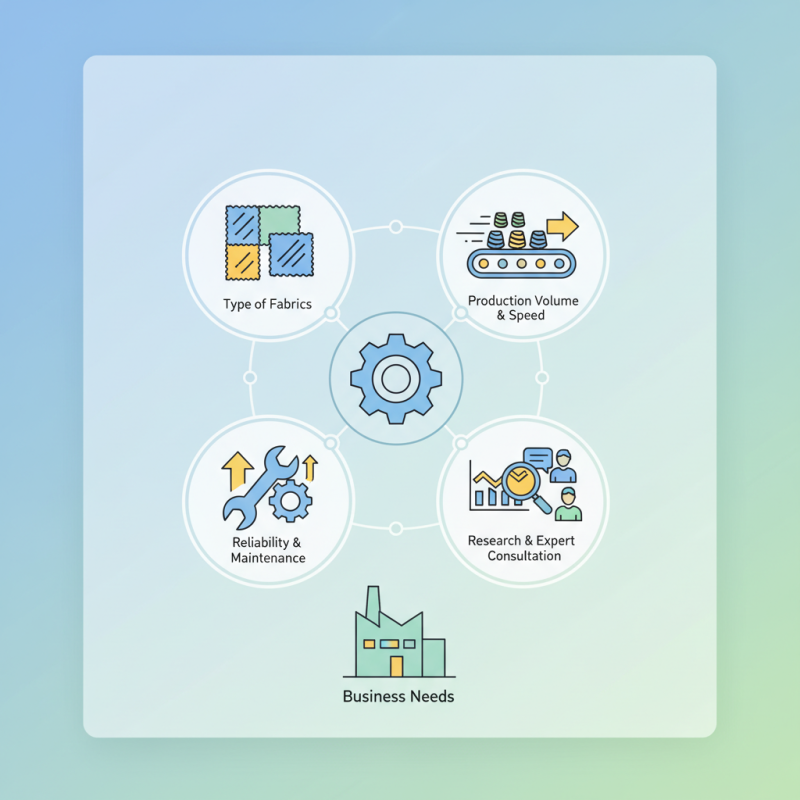
Various factors come into play when making this decision. First, think about the type of fabrics your business will produce. Different machines are designed for specific materials. Additionally, assess your production volume and speed requirements. A high-capacity power loom may be necessary for large-scale operations.
Moreover, don't overlook the machine's reliability and ease of maintenance. A dependable power loom minimizes downtime. Yet, it’s essential to acknowledge that no machine is perfect. Every model has its strengths and weaknesses. Therefore, thorough research and consultation with industry experts can help you make an informed choice that meets your business needs.
Factors to Consider When Selecting a Power Loom Machine
When selecting a power loom machine for your business, consider several key factors. The type of fabric you plan to produce is crucial. Different looms work best with specific materials. Understand the fabric characteristics you’ll be working with, like thickness and texture. This knowledge helps ensure that your chosen loom meets your production needs.
Machine speed is another essential factor. A faster loom increases productivity but may compromise quality. Determine your business's production demands before choosing the speed. Sometimes, slower machines offer better finishes.
Tips: Assess your budget carefully. A higher initial investment might lead to long-term savings through increased efficiency. Don’t overlook the importance of support. Reliable technical assistance can greatly impact your machine's productivity.
Consider the loom's setup and maintenance needs. Some machines are user-friendly, while others require in-depth knowledge. Think about your team’s skill level. Training might be needed, adding to your time and costs. Reflect on the long-term implications before making a decision.
How to Choose the Best Power Loom Machine for Your Business?
| Feature | Description | Importance Level |
| Machine Speed | The speed at which the machine can produce fabric, typically measured in meters per minute. | High |
| Fabric Types | The variety of fabrics that can be woven, including materials like cotton, polyester, and blends. | Medium |
| Electronic Features | Includes features such as automatic stop, pattern memory, and digital control. | High |
| Ease of Operation | How user-friendly the machine is, including setup, operation, and maintenance. | High |
| Budget | The total cost of the machine, including purchase price, installation, and any additional features. | High |
| Brand Support | Quality of customer service and support provided by the manufacturer. | Medium |
Types of Power Loom Machines and Their Applications
Power loom machines come in various types, each suited for different applications. Understanding these categories is crucial when selecting the right machine for your business. The two primary types include shuttle looms and shuttleless looms. Shuttle looms utilize a shuttle to carry the weft yarn back and forth. These machines produce high-quality fabrics but may be slower than shuttleless alternatives.
Shuttleless looms, on the other hand, offer increased speed and efficiency. They come in forms like rapier and air jet looms. Rapier looms use a flexible rapier to insert the weft yarn, allowing for a wide variety of fabrics. Air jet looms employ a jet of air to propel the weft. This method is faster and ideal for producing lightweight fabrics. Each type has its benefits and trade-offs.
When choosing a loom, consider your production needs. Are you focusing on high-quality, intricate designs or high-volume output? Sometimes, investing in a more advanced shuttleless loom may seem tempting. However, it’s essential to reflect on your business goals and budget constraints. Balancing cost and production capacity is key to making an informed decision.
Evaluating Machine Specifications and Features
When selecting a power loom machine, understanding its specifications is crucial. Consider the machine's speed and efficiency. A higher production speed can enhance your output but may also affect weave quality. Striking a balance is essential. Look for a machine that allows you to adjust settings. Flexibility can accommodate various fabric types.
Evaluate the machine's durability and maintenance requirements. Robust construction materials often translate to a longer lifespan. However, more durable machines may require specialized maintenance. Assess if your team has the expertise to handle this. Additionally, consider the features that enhance usability. An intuitive interface can simplify operations, reducing the learning curve for new operators.
Be cautious about how specifications align with your business needs. Sometimes, advanced features may complicate operations, leading to inefficiencies. Reflect on your production goals. If your focus is on diverse fabric styles, a versatile machine could serve you well. Balancing complexity and functionality is key.
Assessing Price Point and Budget Considerations
When considering a power loom machine for your business, budget plays a crucial role. It’s essential to determine how much you can invest without compromising quality. High-performance machines often come with a steep price tag, making it vital to set a realistic budget first. Avoid the trap of choosing the cheapest option. Sometimes, lower price points result in higher long-term costs due to repairs and inefficiencies.
Tips: Research the average costs of machines in your preferred category. This can provide insights into expected price ranges. Consider additional expenses, such as maintenance and operational costs, which can impact your overall budget. Don't forget to factor in potential training costs for your staff.
Assessing your financial capacity is crucial. You might need to secure a loan or find alternative financing options. Calculate the potential return on investment (ROI) before making a decision. This can help mitigate the risk associated with a significant purchase. Balancing quality and affordability is key. Consider used or refurbished machines as a viable option. However, ensure they meet your quality standards. Making an informed decision can save you from regret later on.
Tips for Maintenance and After-Sales Support
Choosing the right power loom machine involves careful consideration. Maintenance plays a crucial role in ensuring the machine’s durability and efficiency. Regular checks can prevent costly breakdowns. Data from the Textile Machinery Association indicates that proper maintenance can reduce downtime by up to 30%.
After-sales support is equally important. A reliable support system helps businesses troubleshoot issues quickly. Studies suggest that industries with strong post-purchase support experience a 20% higher customer satisfaction rate. This includes access to spare parts and technical assistance. Companies should ensure that their suppliers are committed to ongoing support.
Even with the best machines, challenges arise. Not all suppliers offer comprehensive maintenance advice. Inadequate knowledge can lead to operational inefficiencies. Businesses must be proactive in seeking guidance. Engaging with industry experts or consulting professional reports can provide invaluable insights. It’s essential to evaluate and reflect on support systems regularly.