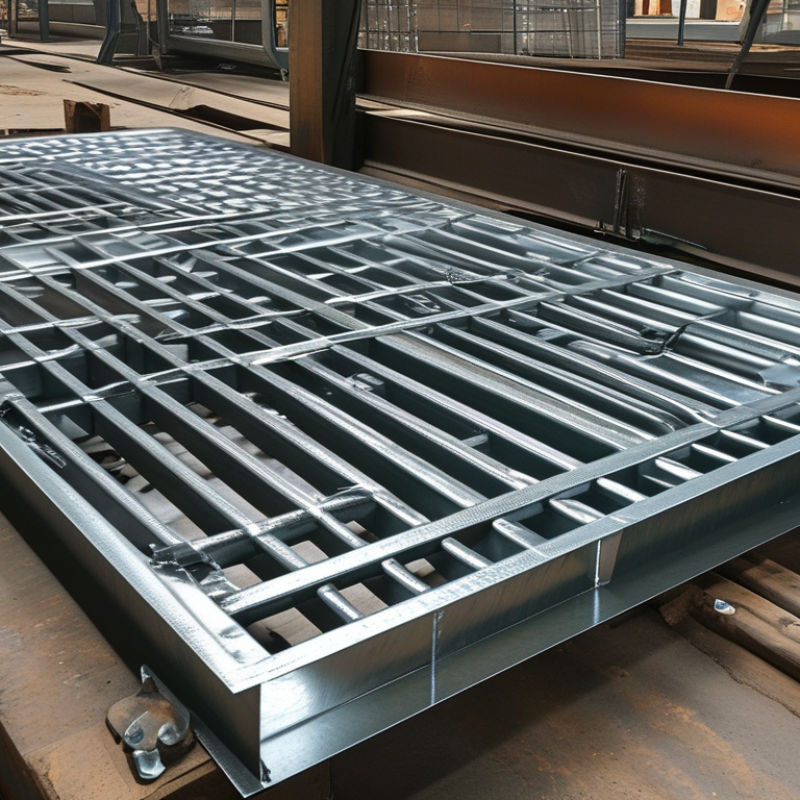
How to Choose the Best Galvanized Steel Grating for Your Project?
Choosing the right galvanized Steel Grating for your project can be challenging. There are many factors to consider. Your choice affects safety, durability, and overall design.
Galvanized Steel Grating is known for its strength and resistance to corrosion. It is widely used in industrial settings, walkways, and platforms. However, not all grating is created equal. Variations in thickness, spacing, and load capacity can complicate your decision.
It’s vital to assess your project needs carefully. What type of environment will the grating face? How much weight will it support? These details matter. Reflecting on your specific requirements will guide you to the best option.
Factors to Consider When Selecting Galvanized Steel Grating
Choosing the right galvanized steel grating requires careful consideration of several factors. First, the load capacity is crucial. Depending on your project, some grating can withstand heavier loads than others. Identifying the specific requirements can save you from unnecessary replacements later.
Another important factor is the size and spacing of the bars. Different projects require varying distances between bars. For instance, tighter spacing might be necessary for pedestrian walkways. This detail affects both safety and usability. Think about maintenance as well. Some designs collect debris quickly.
Finally, surface finish impacts both safety and aesthetics. A textured finish may provide better traction but can also accumulate dirt. Reflect on the maintenance needed for each type. It’s essential to weigh these factors against your project’s unique needs. There is often a trade-off between durability and appearance. Each choice carries its consequences.
Understanding the Different Types of Galvanized Steel Grating
Choosing the best galvanized steel grating for your project starts with understanding the different types available. Galvanized steel grating comes in various profiles and sizes, which can significantly impact the durability and performance of your project. Common types include welded, riveted, and swaged grating. Each type has its unique advantages, making it critical to assess your specific needs.
Welded grating is known for its strength and stability. It's often used in heavy-load applications. Riveted grating offers ease of installation and is suitable for environments where flexibility is required. Swaged grating, on the other hand, provides a lightweight option without compromising strength. The choice often depends on exposure to corrosive environments, load requirements, and safety regulations.
**Tips:** Always consider load capacity. According to industry reports, load ratings should match or exceed project demands. Review local codes too. They may dictate specific requirements for grating materials. Remember to check corrosion resistance. Not all galvanized coatings are equal, and some may not withstand harsh conditions.
Selecting the right type is crucial. Misjudging this can lead to expensive repairs or replacements. It’s worth investing time in understanding the nuances. Gathering data and insights from reliable sources ensures you make an informed decision. Each choice carries implications for safety and performance.
How to Choose the Best Galvanized Steel Grating for Your Project?
| Type of Grating | Load Capacity (psf) | Common Applications | Bar Spacing (in) | Thickness (in) |
| Heavy-Duty Grating | 1000 | Industrial flooring, Walkways | 1.0 | 0.25 |
| Light-Duty Grating | 500 | Walkways, Platforms | 0.5 | 0.1875 |
| Closed Grating | 750 | Safety equipment, Work platforms | 0.75 | 0.125 |
| Standard Grating | 600 | Drainage covers, General purpose | 0.75 | 0.1875 |
Analyzing Load Capacity and Safety Factors for Grating Choice
When selecting galvanized steel grating, analyzing load capacity and safety factors is crucial. Load capacity dictates how much weight the grating can support without bending or failing. This information is vital for projects such as walkways or industrial platforms. It’s essential to consider both dead loads and live loads. Dead loads are static weights, while live loads fluctuate. Understanding these can significantly impact your decision.
Safety factors are another critical aspect. They ensure that the grating can handle unexpected stresses. A higher safety factor provides greater assurance against failure. Experts recommend a safety factor of at least 1.5 for most applications. It’s wise to err on the side of caution. Factor in regular use and any potential overload scenarios. Oversizing the grating may sometimes seem excessive, but it can prevent costly accidents.
While galvanized steel grating is durable, it’s not infallible. Corrosion resistance is a distinct advantage, yet it can still degrade over time. Regular inspections are necessary to ensure safety. This dynamic nature of materials warrants ongoing assessment. Balancing load capacity and safety factors can be tricky, but it’s essential for project longevity.
Evaluating Corrosion Resistance and Maintenance Requirements
When selecting galvanized steel grating, corrosion resistance is fundamental. Corrosion can lead to structural failures, increasing maintenance costs. Assess the environment where the grating will be installed. Harsh conditions like coastal areas require higher resistance levels. Consider the thickness of the zinc coating. A thicker layer generally offers better protection against rust.
Maintenance needs vary based on usage. Regular inspections can help detect early signs of wear. Removing debris can prevent moisture accumulation. Some users might overlook these simple tasks, leading to costly repairs later. Keep in mind the potential for galvanic corrosion, especially if different metals are involved. This factor often complicates the maintenance routines and can affect durability.
It's essential to understand that galvanized steel grating is not completely maintenance-free. Users may find that after a few years, re-coating could be necessary. This can depend on exposure to elements or chemicals. Integrated planning for maintenance can mitigate sudden failures. Relying solely on corrosion resistance may not provide a foolproof solution. Thoughtful consideration of these factors not only enhances longevity but also ensures safety in the long term.
Cost Analysis: Comparing Price vs. Performance in Steel Grating
When selecting galvanized steel grating, performance and cost are critical factors. A recent industry report indicates that high-quality grating can range from $30 to $60 per square foot, depending on material thickness and load capacity. Budget projects might favor lower-cost options, which are typically less durable. In contrast, investing in superior grating can yield better long-term performance and safety.
The performance of steel grating significantly impacts its lifespan and maintenance costs. For example, heavier-duty gratings can withstand more weight and resist corrosion more effectively, even in harsh environments. One study showed that selected galvanized steel gratings reduced maintenance needs by over 40% compared to lower-grade alternatives. However, how much is your project willing to invest up front? Balancing cost against performance is not always clear.
While opting for cheaper options may seem wise, it often leads to higher expenses down the line. Regular repairs and replacements can accumulate costs quickly. Engineers and project managers may rethink initially low bids once they consider durability and reliability. It’s essential to weigh not just the initial financial outlay but also the long-term value of galvanized steel grating in your projects.