Why Choose a Single-Stage Compressor for Your Business Needs?
When considering the right equipment for your business, the choice of compressor is crucial. A Single-Stage Compressor often stands out as a reliable option. These compressors efficiently deliver air at a consistent pressure. They are easier to maintain and typically cost-effective. This can save businesses time and money.
However, it's essential to assess your specific needs. Not all operations require the same level of power or efficiency. The Single-Stage Compressor works well for many applications, but may not be suitable for more demanding environments. Reflecting on your business’s requirements is vital. Sometimes, a more complex solution could be better.
In summary, choosing a Single-Stage Compressor has its advantages. Its straightforward design adds reliability. Yet, understanding your operational demands can lead to better decisions. Weighing the pros and cons will guide you in making the right choice for your business's future.
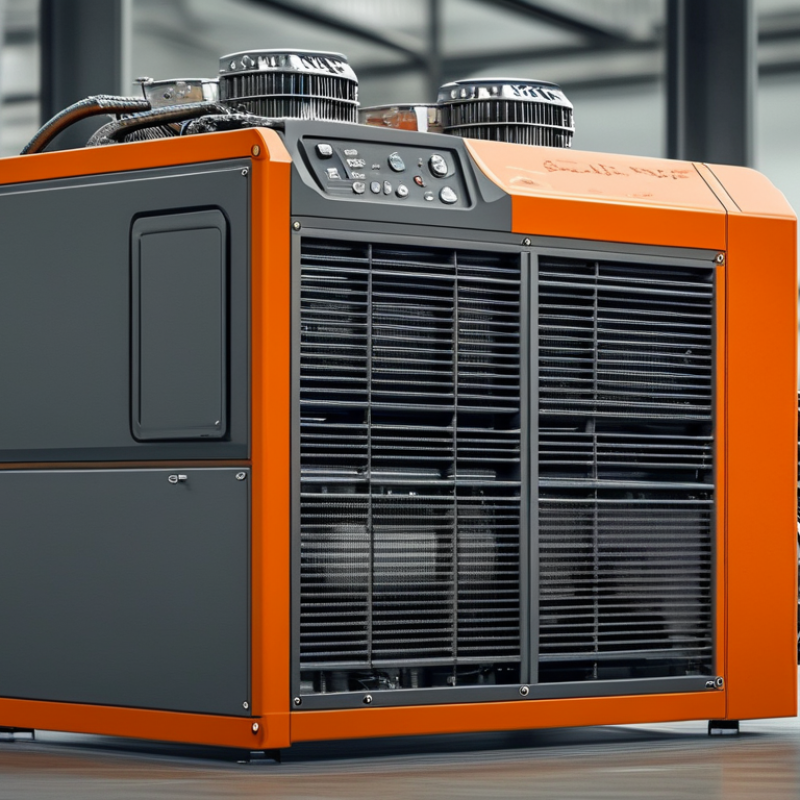
Benefits of Single-Stage Compressors in Industrial Applications
Single-stage compressors are increasingly popular in various industrial applications due to their efficiency and simplicity. These compressors operate by compressing air in a single stroke, making them ideal for smaller tasks or where high pressures are not as critical. According to recent industry reports, single-stage compressors account for over 60% of the compressor market, highlighting their widespread acceptance.
One of the key benefits of single-stage compressors is their energy efficiency. They typically consume less power than multi-stage models, leading to lower operational costs. A study by the Energy Efficiency Association indicates that switching to a single-stage compressor can save businesses up to 30% on energy expenses annually. Additionally, these compressors are easier to maintain, reducing downtime and repair costs.
Tips: Regular maintenance can enhance performance. Check for leaks and ensure proper lubrication. This practice not only prevents energy waste but also extends the compressor's lifespan.
Another appealing aspect is their compact size. Single-stage compressors can fit easily into smaller workspaces. This feature makes them suitable for various industries, from automotive to woodworking. However, businesses should evaluate their specific needs and consider pressure requirements. Sometimes, investing in a more robust option could be better for high-demand environments.
Comparison of Energy Efficiency: Single-Stage vs. Multi-Stage Compressors
When it comes to choosing a compressor, energy efficiency is crucial. Single-stage compressors operate at a single pressure level. This means they can compress air in one go, which generally requires less energy than multi-stage compressors. Their design is simpler and involves fewer components. This leads to reduced maintenance costs and downtime, a significant factor for any business.
However, one must consider the specific applications. In some cases, multi-stage compressors may provide higher efficiency for large-scale operations. Their ability to handle varying pressure levels can optimize performance. They can be ideal for demanding processes but may require more energy overall. It's vital to evaluate your particular needs before committing.
Single-stage compressors offer reliability and lower energy consumption for many tasks. Still, each option has its trade-offs. While a single-stage system may be easier to maintain, it might not be suitable for heavy-duty applications. Understanding these nuances will help businesses make informed decisions. Energy savings alone may not justify the choice.
Why Choose a Single-Stage Compressor for Your Business Needs?
| Features | Single-Stage Compressor | Multi-Stage Compressor |
| Initial Cost | Lower | Higher |
| Energy Efficiency | Moderate | High |
| Maintenance Frequency | Less frequent | More frequent |
| Air Pressure Output | Lower | Higher |
| Size & Weight | Compact | Bulkier |
| Best Use Cases | Small to medium tasks | High-demand applications |
Cost Analysis: Initial Investment and Long-Term Savings of Single-Stage Compressors
When considering a single-stage compressor for your business, cost analysis plays a crucial role. Initial investment can vary significantly. On average, single-stage compressors range from $3,000 to $12,000. This upfront cost is manageable for many operations. However, the key savings come into play through energy efficiency. According to industry studies, single-stage compressors can reduce energy consumption by up to 15%. Over time, these savings accumulate.
Long-term benefits are compelling. A report by the U.S. Department of Energy states that efficient compressors can cut energy costs by thousands annually. For a mid-sized facility, this might mean $4,000 to $6,000 saved each year. Moreover, maintenance costs tend to be lower. Single-stage compressors typically require less frequent servicing. They often use fewer parts than multi-stage units. This simplicity can lead to fewer breakdowns.
It's essential to weigh these factors carefully. While some businesses gravitate towards more advanced systems, a single-stage compressor may fit the bill. An upfront investment needs consideration, but long-term gains deserve equal attention. Balancing initial costs with future savings can lead to wiser financial decisions.
Performance Metrics: Ideal Pressure Ranges for Single-Stage Compressors
Single-stage compressors are designed for efficiency and reliability in various business applications. These units typically operate in an ideal pressure range of 5 to 15 psi. According to industry reports, maintaining pressure within this range ensures optimal performance for applications like pneumatic tools and small-scale manufacturing. Data highlights that single-stage compressors achieve over 90% efficiency when operating at their ideal levels, making them a key asset for businesses.
Tips: Regularly monitor pressure levels to avoid inefficiency. Consider using pressure gauges for accurate readings.
While single-stage compressors are effective, they have limitations. Many users report that, under heavy loads, these compressors struggle to maintain pressure. This can lead to interruptions in production and increased operational costs. It's essential to assess your specific requirements before choosing this type of compressor.
Tips: Invest in training for your team on proper compressor use. Understanding operational limits helps prevent performance issues.
Performance Metrics: Ideal Pressure Ranges for Single-Stage Compressors
Maintenance Requirements and Longevity of Single-Stage Compressors
Single-stage compressors are often preferred for their relatively low maintenance requirements. These devices typically feature fewer moving parts than their multi-stage counterparts. This design leads to a reduced chance of mechanical failure, which can be crucial for businesses relying on consistent performance. According to industry reports, about 30% of all compressor failures are due to inadequate maintenance. This statistic highlights the importance of selecting equipment that demands less frequent servicing.
Longevity is another significant factor when considering single-stage compressors. Many models can operate effectively for several thousand hours with minimal attention. A well-maintained single-stage compressor can last around 10 to 15 years, a compelling advantage for businesses seeking long-term reliability. However, businesses must be cautious. Neglecting routine checks can shorten the lifespan dramatically. Some users report that a lack of proper filtration leads to increased wear on components. This can bring additional costs in repairs and downtime, reminding operators to remain vigilant.
Regular maintenance is still essential. Even with lower requirements, components like filters and belts need periodic checks. This aspect can save costs in unexpected repairs, as downtime can significantly impact productivity. So, while single-stage compressors offer advantages in longevity and ease of maintenance, businesses must remain proactive in their upkeep.