
Choosing a Duct Air Heater in 2026 starts with understanding the air your system must move. Measure the duct’s width, height, and available installation space. Then estimate airflow and the temperature rise you need. Small errors matter. A heater selected by room size alone may deliver uneven warmth, cycle frequently, or struggle to reach the target temperature.
The right choice also depends on the heat source, electrical supply, controls, and operating conditions. Compare the heater’s rated output with the manufacturer’s performance data at your actual airflow, rather than relying on a headline kilowatt figure. Check whether the unit includes suitable temperature sensors, airflow safeguards, and overheat protection. Confirm that its dimensions and connections suit the existing ductwork. A compact model may look convenient, but access for inspection and maintenance still matters.
This guide explains how to compare Duct Air Heater options, assess sizing, and identify practical features before buying. It also highlights questions to ask suppliers, such as how ratings change with airflow and what installation clearances are required. There is no perfect shortcut; real systems vary, and product details can be easy to overlook. Have a qualified HVAC professional verify the selection, electrical requirements, and applicable local standards. A careful check now can prevent an expensive mismatch later.
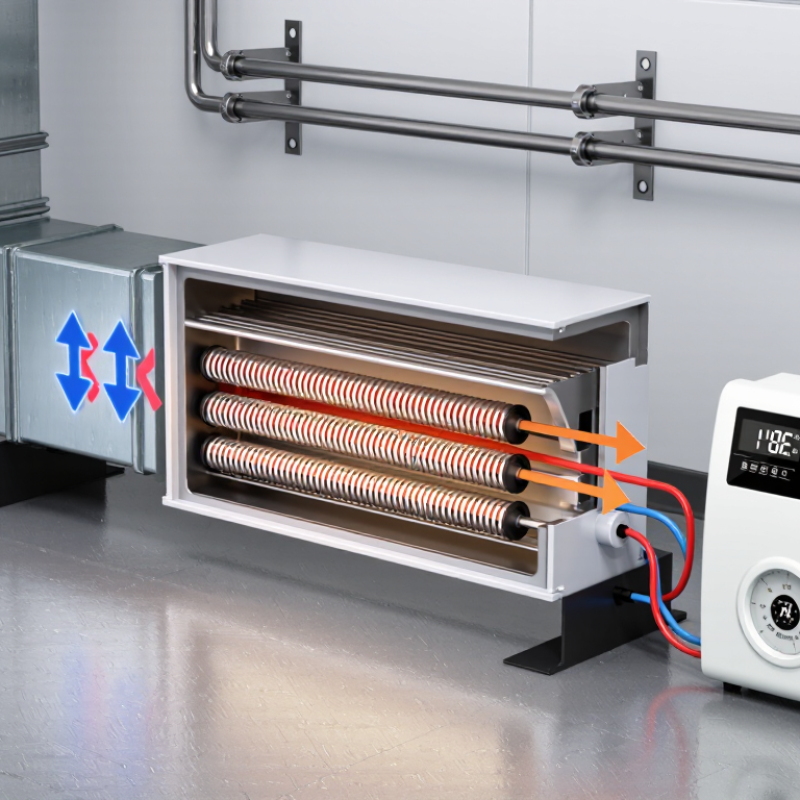
Identify Your Duct System, Heating Needs, and Site Conditions
Start by checking the duct, not the heater catalog. Measure its width and height, note the material, and look for bends, filters, dampers, and access panels. A narrow branch may restrict airflow even when the heater’s rated output seems suitable. Record the air volume and available electrical supply, then compare them with the heater’s installation requirements. If these figures are unknown, ask a qualified HVAC professional to measure them. Guessing can lead to uneven heat or nuisance shutdowns.
Next, define the actual heating task. Is the heater warming incoming ventilation air, supporting a process, or serving a colder room? Estimate the required temperature rise and operating hours. Consider the coldest expected inlet air, insulation, and nearby combustible surfaces. Site details matter. Dust, moisture, vibration, and limited service clearance can affect suitable construction and controls. A quick visual check helps, but it cannot replace site measurements and equipment documentation.
Tips: Photograph the duct label and nearby wiring. Note duct dimensions, airflow, supply voltage, and target outlet temperature. Ask how airflow proving, over-temperature protection, and maintenance access are handled. It is tempting to assume more capacity is always safer, but the duct may not carry the required air. Recheck your assumptions. Small details count.
Electric resistance, gas-fired, and hydronic heaters behave differently in a duct. Electric units are compact and respond quickly, with no on-site combustion. Their running cost and emissions depend on electricity prices and the local grid. Gas-fired heaters can provide strong heat output, but need suitable venting and combustion safeguards. Hydronic coils use hot water or steam from a central plant. They can serve multiple zones, though pipe losses and slower response deserve attention. Details matter.
The U.S. Department of Energy’s 2022 Industrial Decarbonization Roadmap reports that process heating accounts for 51% of U.S. manufacturing energy use. That is not a duct-heater efficiency rating, but it underscores the value of checking heat demand and airflow. The International Energy Agency’s 2022 heat-pump report says heat pumps can be three to five times as energy-efficient as gas boilers, depending on conditions. A heat-pump-fed coil may suit mild climates, but check its capacity at design temperatures. For long winter run-times, compare local gas and electricity costs. I would not choose by fuel price alone; a poorly balanced duct can erase expected savings.
A duct air heater should match the building’s heat demand, not just the duct size. Estimate the heat needed to maintain the target indoor temperature on a cold day. For a quick airflow-based check, use: BTU per hour ≈ 1.08 × airflow in CFM × temperature rise in °F. The factor assumes standard air conditions, so treat the result as an estimate, not a final design.
For example, 800 CFM with a 30°F temperature rise requires about 25,900 BTU per hour, or roughly 7.6 kW. Measure the actual airflow if possible; a fan setting alone may not reflect air moving through a loaded filter or long duct run. Measure before buying. Then compare the required output with the heater’s rated capacity and permitted airflow range.
Airflow compatibility affects both comfort and safety. Check the unit’s minimum and maximum airflow, duct dimensions, and available static pressure against the system’s fan data. Too little airflow can cause overheating or frequent safety cutoffs; too much may deliver air that feels lukewarm. Confirm that controls, over-temperature protection, and electrical supply suit the installation. A neat calculation can still miss uneven room heat loss, so recheck the assumptions before selecting a size.
Choosing a duct air heater in 2026 starts with matching its output to the building’s actual heat loss. An oversized unit may cycle frequently, wasting energy and creating uneven room temperatures. Measure the duct dimensions and note insulation gaps before comparing models. Small details matter.
Check efficiency figures under comparable test conditions, not just the largest number on a product sheet. A variable-output heater can reduce energy use when demand changes, while a well-sealed duct system helps keep warmth from escaping. Ask how the heater performs at your expected airflow and operating hours. Controls deserve equal attention. Look for clear temperature settings, reliable sensors, and scheduling that fits the building’s use. Simple controls are often easier to maintain. Fancy menus can confuse people.
Safety features should be verified in the technical documentation. Consider overheat protection, airflow monitoring, and automatic shutoff if a fault occurs. Confirm that the heater is compatible with the duct material and electrical supply, and have installation requirements reviewed by a qualified technician. Keep access panels reachable for inspection and cleaning. A tidy installation is not proof of safe operation, though. Compare service guidance and maintenance intervals, then leave room in the budget for routine checks.
Choosing a duct air heater in 2026 starts with the rules adopted where it will operate. Requirements can differ by city, building type, and system design. Ask the local authority or a qualified electrical and HVAC professional to confirm applicable codes, permits, and inspection steps. Check the heater’s approved use, voltage, phase, and required safety controls against the project documents. Do not assume an older installation’s approval covers a replacement unit.
Fit matters. Confirm duct dimensions, airflow, available electrical capacity, access for servicing, and manufacturer-specified clearances before ordering. A heater that is oversized or poorly matched to airflow may create operational problems. Small details count. Keep the installation instructions and wiring diagrams available for the installer and inspector. Requirements can change, so verify current documentation rather than relying on an old checklist. I have seen planning focus on the unit itself while overlooking access for maintenance; that is an easy mistake to repeat.
Supplier support should include clear technical documents, help checking compatibility, and a practical route for questions after installation. Ask who handles startup guidance, replacement parts, and troubleshooting, and how quickly they respond. Get answers in writing when project schedules depend on them. If a supplier cannot explain what information is needed to confirm suitability, pause and review the selection. That extra check may feel fussy, but it can prevent avoidable rework.
Estimated heater output for a 40°F air-temperature rise at different airflow rates
Estimates use the sensible-heat equation: output (BTU/h) = 1.08 × airflow (CFM) × temperature rise (°F), converted to kW. Confirm actual airflow, temperature rise, voltage, phase, and heater capacity with a qualified designer or supplier. Before purchase, verify applicable 2026 local codes, clearances, airflow and over-temperature controls, and installation requirements; these vary by jurisdiction and equipment.
WhatsApp us