2026 How to Choose the Best Condiment Pump for Your Business?
Choosing the right Condiment Pump can significantly impact your business operations. A quality condiment pump enhances customer satisfaction and reduces waste. Imagine serving a busy lunch crowd with a pump that fails to dispense consistently. This scenario can lead to frustration for both staff and customers.
When selecting a condiment pump, consider your specific needs. Different pumps serve various purposes, from dispensing sauces to offering dressings. Reliability is crucial. A well-functioning pump minimizes downtime and keeps your service running smoothly. Look for options that ensure easy cleaning and maintenance. Staff efficiency increases when tools are user-friendly.
In the end, your choice will depend on your business type and customer preferences. Reflect on your current setup and identify areas for improvement. Investing in the right condiment pump is not just a purchase; it's a strategic decision that can enhance your overall service quality. Remember, the best pump will serve your business effectively and meet your customers’ expectations.
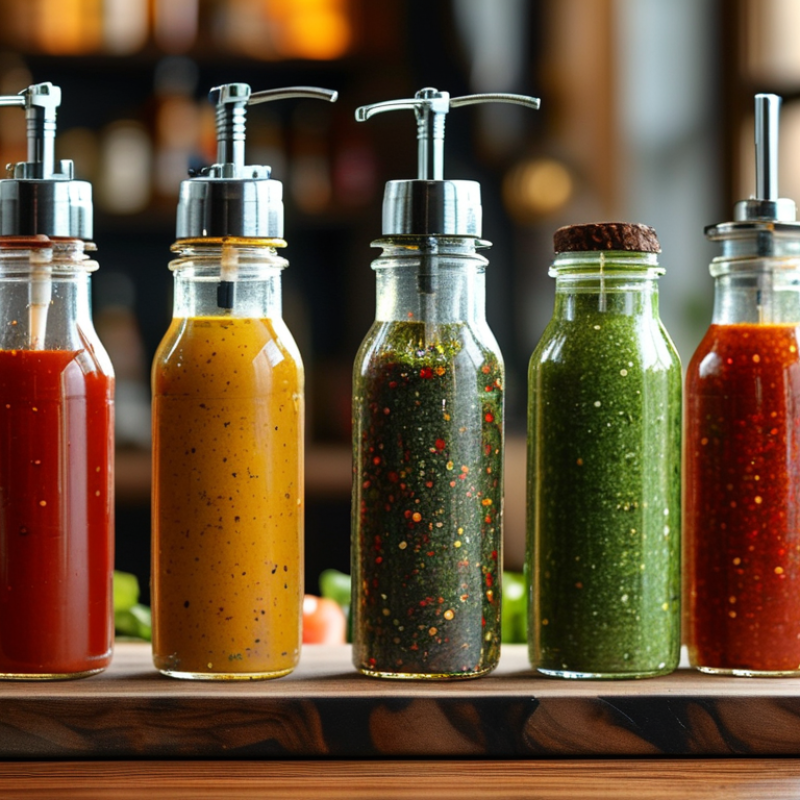
Understanding the Importance of Condiment Pumps in Food Service
Condiment pumps play a crucial role in the food service industry. They help streamline the process of dispensing sauces, dressings, and condiments. This efficiency can lead to quicker service and a better customer experience. When choosing a condiment pump, consider factors such as durability and ease of use. Quality pumps can withstand the high demands of busy kitchens. So, why settle for anything less?
Having practical experience can also guide your choice. Pay attention to the pump's dispensing rate. If it's too slow, it might frustrate customers during peak hours. Think about the materials too. Plastic may be lightweight but can wear out quickly. Stainless steel might last longer, even if it costs more upfront. Take a moment to weigh these options carefully; every detail matters in a fast-paced environment.
Keep in mind cleanliness. Pumps should be easy to clean to maintain hygiene standards. Regular maintenance can prevent clogs. Also, practicing proper techniques ensures that pumps are employed efficiently. This can save time and headaches in the long run. Don’t overlook the importance of training staff on how to use these tools effectively. A little extra effort can significantly enhance both service quality and customer satisfaction.
2026 Condiment Pump Performance Comparison
Key Features to Consider When Selecting a Condiment Pump
When selecting a condiment pump for your business, there are key features to keep in mind. Durability is vital. A robust pump can handle daily use without frequent breakdowns. Look for materials that resist corrosion and wear. A stainless steel option may be ideal. The pump's design should allow for easy cleaning, reducing the risk of contamination.
Flow control is another significant aspect. Some pumps offer adjustable settings to dispense various condiment amounts. This flexibility can prevent waste and ensure customers get the desired amount with each serving. The ease of installation is crucial too. A complicated setup may lead to operational delays.
Don't overlook the size and compatibility of the pump. It must fit your workspace and match the containers you plan to use. A mismatch can cause frustration during busy hours. While many features seem attractive, remember that more isn’t always better. Evaluate what will genuinely benefit your operations. Addressing these aspects thoughtfully will enhance your condiment dispensing experience.
Types of Condiment Pumps: Advantages and Disadvantages
When selecting a condiment pump, it’s essential to understand the various types available. Pump styles vary significantly. Some are manual while others are electric. Manual pumps require less maintenance and are often more cost-effective. However, they can be labor-intensive. This may not be ideal for busy kitchens. Electric pumps, on the other hand, save time and effort. They provide consistency in serving sizes, which enhances customer satisfaction.
Consider the advantages of each type. Manual pumps allow for versatility in portion control. Yet, they can lead to inconsistent servings if not operated properly. Electric pumps reduce error but may have higher upfront costs. From a space perspective, manual pumps take up less room, which can be a factor in a crowded kitchen. However, electric pumps can streamline operations significantly.
Reflecting on these differences is crucial for informed decision-making. Not every business will benefit from the same type. Evaluate your kitchen’s workflow and demand. Understand that the best choice might not be obvious. Take time to assess how each pump aligns with your service style. Making the right choice becomes clear only after careful consideration of these factors.
2026 How to Choose the Best Condiment Pump for Your Business? - Types of Condiment Pumps: Advantages and Disadvantages
| Type of Condiment Pump | Advantages | Disadvantages |
| Squeeze Pump | Cost-effective, Easy to use, Minimal maintenance | Less precise dispensing, Requires manual effort |
| Gravity Pump | No power required, Simple design | Slow dispensing, Limited to thicker condiments |
| Electric Pump | Fast dispensing, Precise control, Great for high volume | Higher initial cost, Requires power source |
| Pneumatic Pump | High efficiency, Suitable for large quantities | Complex installation, Requires air compressor |
| Manual Pump | Portable, No power needed | Labor-intensive, Inconsistent dispensing |
Evaluating Capacity and Efficiency for Your Business Needs
When selecting a condiment pump for your business, capacity and efficiency should be your focal points. Think about your expected volume. How many customers will you serve daily? A pump that holds a larger volume can support high traffic without constant refilling. However, it’s essential to avoid waste. If customers don’t use all the condiment, that can lead to unnecessary costs and waste.
Efficiency plays a crucial role in workflow. Look for pumps that dispense accurately and minimize mess. This can significantly affect the speed of service. A well-designed pump improves customer satisfaction. But not every efficient pump is suitable for every setting. Consider your staff and their familiarity with the equipment. Sometimes, even an efficient model can lead to confusion and slow down the pace if staff are not trained well.
Remember, selecting the right pump might involve some trial and error. After using a pump, gather feedback from your staff and customers. This input is valuable. It can help identify areas for improvement. It’s a process, and refining your choice may take time. Evaluate how well it meets your operational needs and the feedback gathered. That could help you make an informed decision for the future.
Budgeting for Your Condiment Pump: Cost vs. Quality Factors
When budgeting for a condiment pump, businesses often face the dilemma of cost versus quality. Industry reports indicate that higher-priced pumps can lead to long-term savings. For instance, durable models typically last over five years. In contrast, cheaper alternatives may require replacement in under three years. This short lifespan can significantly increase overall costs.
Quality is critical. A reliable pump minimizes spills and waste, directly affecting profit margins. Statistics show that improper dispensing can lead to up to a 20% increase in waste. Investing in a quality pump can reduce waste by as much as 15%. It’s vital to reflect on the potential long-term benefits of higher upfront costs.
Choosing the right pump also depends on the type of business. Fast food outlets might prioritize speed and efficiency. A fine dining restaurant, however, might place value on aesthetics and control. Balancing these factors while considering both initial costs and long-term effectiveness is essential. Every operation is unique, leading to varying needs that should be carefully evaluated.