China Sheet Metal Top Cover Manufacturer and Supplier
A Sheet Metal Top Cover may look like a simple panel, but its details shape protection, fit, and assembly. A misplaced bend can leave a visible gap. A rough edge can slow installation. For buyers comparing China Sheet Metal Top Cover manufacturers and suppliers, the useful questions go beyond price: What material and thickness suit the application? How are cutouts, finishes, and tolerances checked? Can the supplier provide samples and explain its inspection process?
Quality expert W. Edwards Deming is widely associated with the principle, “Quality is everyone’s responsibility.” Applied to a top cover, that means design, fabrication, and inspection all matter. It is a broad quality principle, not a specification for sheet metal. Look for clear drawings, controlled dimensions, and practical feedback from the production team. Ask how the cover will be mounted, what equipment it must protect, and whether its finish needs to withstand handling or outdoor exposure. Small details count. So do honest answers.
This guide explores materials, fabrication choices, quality checks, and supplier evaluation. A polished sample is useful, but it cannot answer every question about repeat production. That deserves a second look. Buyers should confirm requirements in writing and review a production sample where possible. The best supplier is not simply the one with the lowest quote. It is the one that can explain trade-offs clearly, identify risks early, and deliver a cover that fits the real assembly.
What Is a Sheet Metal Top Cover?
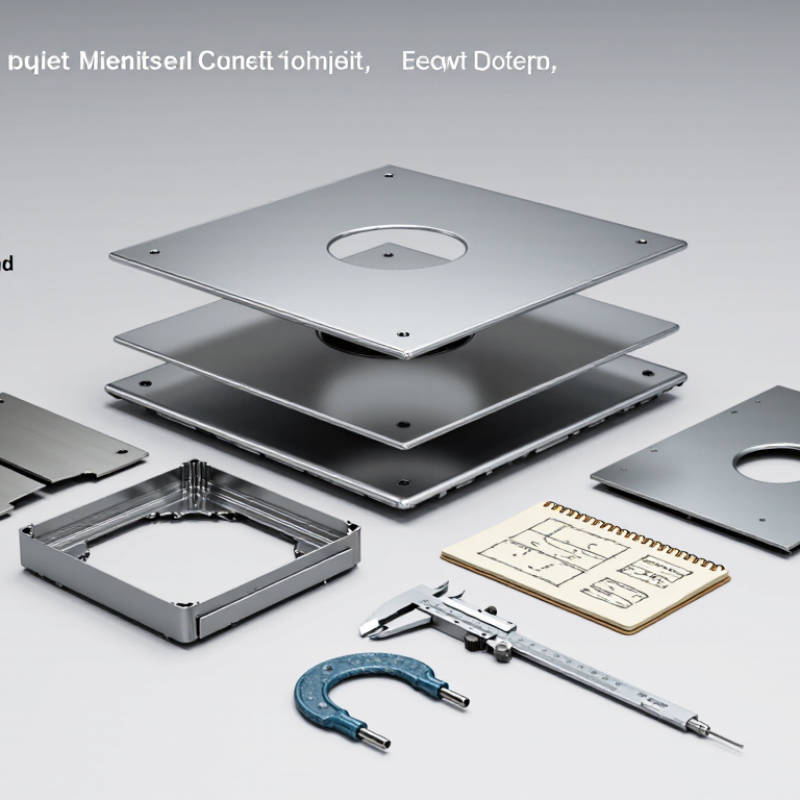
A sheet metal top cover is a formed panel that closes the upper side of a machine, cabinet, or enclosure. It helps shield internal parts from dust, accidental contact, and light impacts. Depending on the design, it may also support ventilation, drainage, or access for maintenance. Typical production steps include cutting flat sheet, punching openings, bending edges, and adding fasteners or stiffening ribs. Small details matter: a poorly placed bend can interfere with a hinge or leave a sharp edge.
Material choice depends on the environment and function. Steel offers strength; aluminum can reduce weight, while stainless steel is often selected where corrosion resistance matters. The World Steel Association reported 1,892.2 million tonnes of crude steel production worldwide in 2023 in its World Steel in Figures 2024 report. This figure describes the broader steel industry, not top-cover output, but it shows the scale of the material supply base. For buyers comparing Chinese manufacturers and suppliers, drawings should specify sheet thickness, tolerances, finish, cutouts, and installation points. A cover may look simple. Yet fit can be unforgiving, and a drawing alone may not reveal every assembly issue. A sample fit-check is useful, though it can add time.
How Are Sheet Metal Top Covers Designed and Manufactured in China?
Designing a sheet metal top cover in China starts with its working conditions. Engineers review the enclosure size, heat exposure, access needs, and mounting points before preparing a flat-pattern drawing. Material thickness and grade affect stiffness, weight, and forming limits. Small details matter. A 1.2-millimeter steel panel may need folded edges or ribs to reduce flex, while ventilation slots must avoid weakening screw locations. The design is checked in CAD, but a drawing can still miss a practical issue: a tool may not reach a tight corner during bending.
Manufacturing usually begins with sheet inspection and laser cutting or punching. Operators remove sharp burrs, form bends on a press brake, and add welded studs or fasteners where specified. A first article is useful for checking hole alignment, bend angles, and fit against the mating frame. Not always. If the cover sits unevenly, the team may need to adjust the bend sequence or tooling rather than force assembly. Surface treatment follows cleaning and inspection; coating thickness and masked contact areas can affect fit. Final checks commonly include dimensions, finish, and a trial installation, with results recorded for the production batch.
Which Materials and Finishes Are Commonly Used?
For a sheet metal top cover, material choice depends on load, corrosion exposure, weight, and forming complexity. Mild carbon steel is economical and easy to stamp, bend, and weld. It works well indoors when protected from moisture. Stainless steel suits humid or washdown environments, while aluminum helps reduce weight. In 2023, global crude steel production reached 1,888.2 million tonnes, according to the World Steel Association. Worldstainless reported 58.4 million tonnes of stainless steel production that year. The International Aluminium Institute recorded 70.6 million tonnes of primary aluminum output. These figures indicate large material industries, not that every grade is suitable. It depends.
Common finishes include powder coating, zinc plating, galvanizing, brushed grain, and aluminum anodizing. Powder coating provides an even color and helps protect steel surfaces. Zinc coatings offer corrosion protection, while brushed stainless can retain a clean, practical appearance. Anodizing changes the aluminum surface and can add color. Small details matter: exposed cut edges may corrode sooner than coated faces, and a thick finish can affect fitted clearances. A chip can happen. For a top cover, specify the operating environment, cleaning method, and desired appearance before choosing a finish. I would also check samples under actual lighting; color can look different on a large panel.
Where Are Sheet Metal Top Covers Used?
Sheet metal top covers are used wherever equipment needs a rigid shield against dust, impact, or accidental contact. They are common on HVAC units, electrical cabinets, machine tools, agricultural machinery, and transport equipment. Small part. Serious job. A formed steel or aluminum cover can also reduce vibration and keep service components accessible through hinged or removable panels.
HVAC equipment is one clear application. The U.S. Energy Information Administration’s 2018 Commercial Buildings Energy Consumption Survey attributed 32% of commercial-building energy use to space heating. This figure does not measure cover demand, but it shows why building-service equipment matters. Covers on rooftop units and air handlers protect fans, wiring, and controls from weather and debris. Drainage, corrosion protection, and safe access points need careful design.
Covers also appear on charging cabinets and workshop equipment used in vehicle production and maintenance. The International Energy Agency’s Global EV Outlook 2024 reported nearly 14 million electric-car sales in 2023, or about 18% of global car sales. That growth adds equipment to the wider charging ecosystem, though requirements vary by installation. A supplier should confirm dimensions, material thickness, finish, ventilation, and mounting details. A tightly sealed cover may look neat, but trapped heat can become a problem. Needs checking.
How to Evaluate a Chinese Manufacturer and Supplier?
Evaluating a Chinese sheet metal top cover supplier starts with evidence, not a polished catalog. Ask for a drawing review that identifies bend radii, flatness limits, hole positions, and finish requirements. Compare quoted tolerances with your actual assembly needs. A low price means little if the cover rocks on its mounting points.
The World Steel Association’s World Steel in Figures 2024 reports 1,892.2 million tonnes of crude steel production worldwide in 2023. This scale signals broad material availability, but it does not verify a factory’s batch consistency. Request material certificates linked to coil or lot numbers, plus inspection records for thickness, coating, and critical dimensions. For a new design, review a first article made using the planned production process. Check press-brake capacity, tooling condition, deburring, and packaging; dents can appear after forming. Ask to see evidence. Numbers need context.
Tips: Send one controlled drawing and a short acceptance checklist. Ask how nonconforming parts are isolated, corrected, and reported. A video call can show equipment, but it cannot replace an audit or measured samples. I would also confirm who owns final inspection; this point can be vague, even in capable shops. Keep a little doubt until the sample fits your enclosure.