
China’s electrical cabinet market deserves more than a price comparison. Buyers need to assess enclosure materials, wiring space, thermal management, ingress protection, and the quality of factory testing. A cabinet may look robust in a catalogue, yet poor cable access can slow installation on a crowded production floor. Small details matter.
Grand View Research estimated the global electrical enclosures market at USD 7.25 billion in 2023 and projected a 5.8% compound annual growth rate from 2024 to 2030. This is a useful market signal, not a guarantee of supplier quality. For buyers comparing Chinese manufacturers, the practical questions are specific: Can the supplier provide drawings, inspection records, customization support, and consistent lead times? Are component choices and test methods clearly documented? These checks help distinguish an experienced manufacturer from a low-cost intermediary.
Thomas Edison, an inventor whose work helped shape modern electrical systems, offered a useful reminder: “The value of an idea lies in the using of it.” For an Electrical Cabinet, that means judging design by how it performs after installation—not by appearance alone. A neat panel matters. So do accessible terminals, clear labeling, and stable temperature under load. No supplier is perfect, and brochures rarely show every limitation. This guide examines leading Chinese manufacturers and suppliers through product range, technical capability, quality evidence, and service, helping buyers build a shortlist based on verifiable details rather than claims.
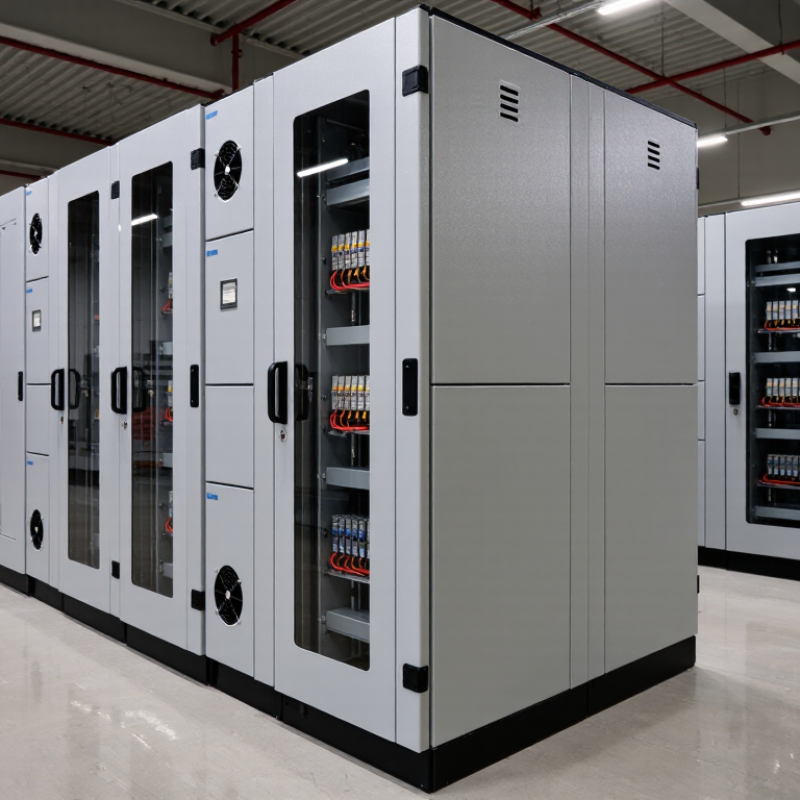
An electrical cabinet is a protective enclosure for equipment that distributes, controls, or monitors electrical power. Inside, technicians may find circuit breakers, contactors, terminals, relays, and control units. The cabinet helps shield these components from dust, accidental contact, and physical damage. It also keeps wiring organized, making inspection and maintenance more manageable. A cabinet is not just a metal box. Its size, material, ventilation, and access points should suit the equipment and installation environment.
In a factory, cabinets may sit beside production lines and control motors, pumps, or sensors. In a commercial building, they can house power distribution equipment in a designated service area. Some cabinets are mounted on walls; larger ones stand on the floor.
Ventilation matters. Heat from operating components can shorten service life if it has nowhere to escape. Yet vents may admit dust or moisture, so the right design depends on the surroundings. That choice can be less obvious than it seems.
Tips: Check the cabinet’s internal space, cable-entry locations, and cooling needs before installation. Leave room for safe access and future wiring changes. Keep labels clear, and arrange cables so technicians can trace them without pulling apart a bundle. Small details help. Regular inspections can reveal loose connections, unusual heat, or damaged seals early.
China’s electrical cabinet manufacturing industry is organized around a practical split: component suppliers, cabinet fabricators, system integrators, and testing services. Component makers provide breakers, relays, terminals, and control devices. Fabricators cut and bend sheet steel, apply coatings, and assemble enclosures. Integrators then fit wiring, protection, and control equipment to a customer’s drawings. The divisions are useful, but not always neat. Some factories handle several stages in-house.
The National Bureau of Statistics of China reported that manufacturing value added grew 5.0% in 2023, while equipment manufacturing grew 6.8%. These figures describe the broader industrial base, not cabinet production alone. They help explain why buyers can find both high-volume suppliers and smaller, project-focused workshops. Quality still varies. A polished enclosure is not proof of reliable wiring or thermal design. Ask for material specifications, inspection records, and a clear test scope.
Tips: Share the cabinet’s operating environment, dimensions, heat load, and wiring diagram before requesting a quote. Ask how the supplier checks door seals, protective bonding, and circuit connections. For export projects, confirm applicable IEC requirements with a qualified engineer; a certificate for one component does not certify the finished cabinet. A useful detail: request photographs of the actual build, including its labels and cable routing.
China’s electrical cabinet sector includes several manufacturer types, each serving different project needs. Standard-cabinet producers supply common wall-mounted and floor-standing enclosures in repeatable sizes. They suit routine installations where dimensions and access requirements are already clear. Custom fabricators build cabinets around specific equipment layouts, cable entries, cooling needs, and site constraints. A drawing review matters here. Small measurement errors can complicate installation.
OEM and ODM manufacturers produce cabinets to customer specifications, sometimes supporting design refinement and batch production. System integrators take a broader role. They may combine enclosures with wiring, control components, and testing, so buyers should clarify exactly what is included. Some suppliers specialize in outdoor, stainless-steel, or dust-resistant cabinets. These categories are not interchangeable; material, seals, and ventilation should match the actual environment. Claims need checking.
Tips: Ask for material and coating details, dimensioned drawings, and inspection records. Confirm whether testing covers the complete assembled cabinet or only selected parts. A low quote may exclude wiring or accessories. That is easy to miss. Also compare sample workmanship, such as door alignment and cable-entry finishing, before placing a larger order.
Comparing Chinese electrical cabinet manufacturers and suppliers requires more than checking a catalog or unit price. Start with the cabinet’s operating conditions: indoor or outdoor use, dust exposure, heat, vibration, and available installation space. Ask for drawings, material specifications, coating details, and documented protection ratings. A stainless-steel enclosure may suit a damp site, while a ventilated steel cabinet could work better in a clean, temperature-controlled room. The right choice depends on the actual environment.
Review production and inspection practices Look closely at production and inspection practices. Request examples of dimensional checks, weld inspections, surface-finish tests, and final assembly records. If possible, review a sample or arrange a factory audit. Small details matter: door alignment, gasket compression, cable-entry positions, and the smoothness of mounting rails can affect installation time. Ask how design changes are approved and how delivery dates are tracked. Get clear answers in writing.
Compare quotations and supplier capability Compare quotations line by line. Confirm what is included, such as accessories, packaging, testing, and shipping terms. Check whether the supplier can handle your order volume and provide replacement parts later. References from similar projects can help, though they may not reveal every problem. Be cautious when a price is unusually low or technical answers stay vague. I would still leave room for uncertainty; a polished document cannot prove every cabinet will perform well on site.
China’s electrical cabinet market offers many choices, but a polished catalogue proves little. Grand View Research estimated the global electrical enclosures market at USD 6.68 billion in 2022, with projected annual growth of 5.9% from 2023 to 2030. That growth makes careful supplier checks more important, not less. Request drawings, material specifications, and test records for the exact cabinet configuration you plan to order. A sample door hinge should open smoothly; welds should be even, and cable-entry edges should be clean.
Check whether the supplier can explain enclosure protection ratings under IEC 60529 and show how the rating was verified. Ask for evidence of routine inspection, traceable material batches, and corrective actions for defects. ISO 9001 certification can indicate a quality-management system, but it does not guarantee every cabinet is well made. Verify the certificate with its issuing body, then compare it with production records. Small details matter.
Before placing a large order, request a pilot build and inspect dimensions, coating finish, and mounting points against your drawings. Confirm lead times, packaging, spare-part availability, and who handles engineering changes. A factory visit or live video walkthrough can reveal whether equipment and work areas match the supplier’s claims. Remote checks have limits, though. I would not treat a neat workshop tour as proof of consistent quality. Test the paperwork, product, and communication together.
WhatsApp us