What is Chiffon Fabric and Its Uses in Fashion Industry?
Chiffon Fabric has gained immense popularity in the fashion industry. This lightweight, sheer material creates an ethereal look and adds elegance to various garments. Renowned textile expert Dr. Sarah Mendez states, "Chiffon Fabric is a versatile staple that transforms ordinary designs into something spectacular."
Fashion designers often favor chiffon for its flowy drape and adaptability. It can be layered effectively over other fabrics, enhancing outfits with depth and texture. Its delicate nature, however, can also pose challenges in handling and durability. Some argue that while chiffon appears stunning, it may lack the sturdiness needed for long-term wear.
The uses of Chiffon Fabric extend beyond formal wear. It is popular in evening gowns, blouses, and scarves, showcasing its wide appeal. Yet, as its popularity grows, so does the need for more sustainable sourcing and production practices. The future of chiffon in fashion will likely depend on balancing its aesthetic charm with environmental considerations.
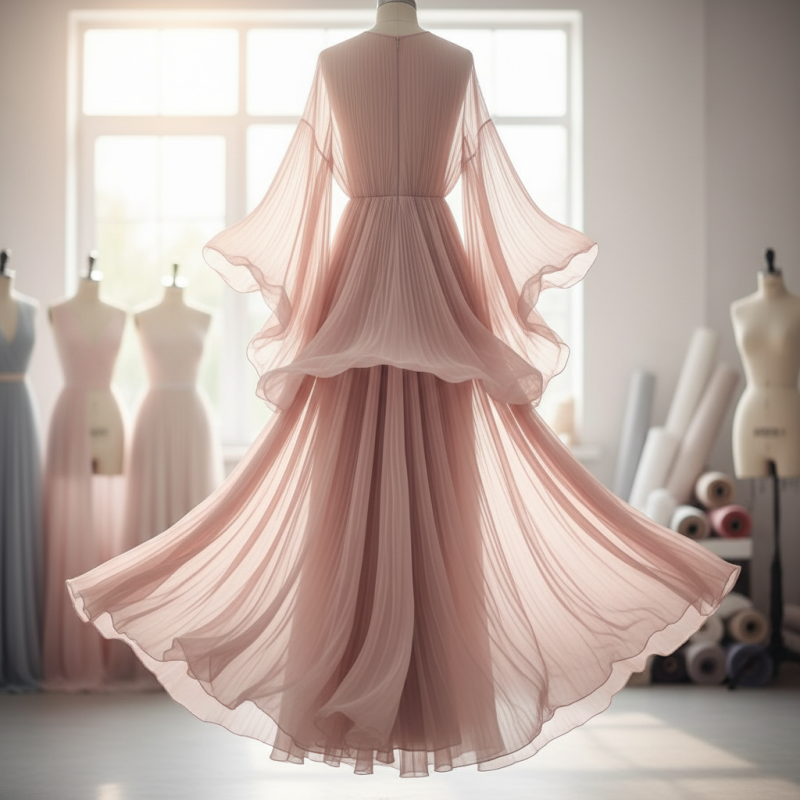
Definition of Chiffon Fabric and Its Characteristics
Chiffon fabric is a lightweight, sheer textile that adds elegance to various garments. Its unique characteristics include a soft texture and fluid drape, making it popular in formal wear. According to industry reports, chiffon accounts for around 20% of the luxury fabric market. This statistic highlights its significance in high-end fashion.
Commonly made from silk or synthetic fibers, chiffon has a delicate finish. This fabric is breathable, offering comfort during warm seasons. The lightness of chiffon allows for layering, which enhances versatility in design. In bridal fashion, chiffon is often used for flowing skirts or overlays. Such designs can create a romantic silhouette that appeals to many brides.
Despite its popularity, chiffon has some drawbacks. It can snag easily, which may lead to wear and tear over time. Additionally, the fabric can be difficult to care for, as it often requires dry cleaning. Designers sometimes struggle to source high-quality chiffon, which can result in inconsistencies in texture and drape. These challenges invite a need for innovation in sourcing and fabric care within the fashion industry.
Historical Background of Chiffon in the Fashion Industry
Chiffon fabric has a rich historical background in the fashion industry, dating back to the 18th century. Originating in France, it quickly gained popularity for its lightweight and translucent qualities. French dressmakers initially used silk chiffon, prized for its softness and elegant drape. This luxurious fabric became synonymous with high-end fashion.
By the early 20th century, chiffon evolved. Designers began experimenting with different fibers, including nylon and polyester. The introduction of these materials made chiffon more affordable and accessible. Industry reports indicate that the chiffon market has seen substantial growth, with a projected annual increase of around 5% over the next five years. This reflects its enduring appeal in evening gowns and bridal wear.
Fashion trends have changed, yet chiffon remains relevant. Its airy feel is perfect for layering and movement. However, the fabric's delicate nature poses challenges for designers. Careful handling is crucial to maintain its integrity. Many consumers are unaware that chiffon can easily snag or tear, raising questions about its durability. Fashion houses must balance wearability and aesthetic appeal, continuously pushing the limits of this timeless fabric.
Common Uses of Chiffon Fabric in Clothing and Accessories
Chiffon fabric is known for its lightweight and sheer qualities. This material is a versatile option in the fashion industry. It's often used for evening gowns, bridesmaid dresses, and stylish tops. The delicate drape of chiffon allows for flowing silhouettes that enhance movement and grace. Many designers favor chiffon for layering, providing a romantic aesthetic.
Accents made from chiffon, such as scarves and wraps, are popular accessories. They add a touch of elegance to any outfit. The fabric's versatility means it can be dressed up or down, suitable for casual outings or formal events. However, chiffon can be challenging to work with. Its slippery texture requires careful handling when sewing or styling. Seamstresses need patience and experience to create perfect pieces.
Chiffon’s popularity also comes with some drawbacks. The fabric can fray easily, necessitating proper care during washing. It may be less durable than other materials, potentially limiting its lifespan. Still, when used thoughtfully, chiffon can beautifully transform an outfit. This balance between fragility and elegance is what makes chiffon a captivating choice in fashion.
Care and Maintenance Tips for Chiffon Fabrics
Chiffon fabric is known for its lightweight and airy quality, making it a favorite in fashion. However, it requires special attention during care and maintenance to retain its beauty. To keep chiffon looking its best, hand washing is recommended. Use cold water with a gentle detergent to prevent color fading and fiber damage. Avoid soaking for too long, as prolonged exposure can weaken the fabric.
When it comes to drying, air drying is ideal. Lay the chiffon flat on a clean, dry towel instead of wringing it out. This method minimizes creasing and helps maintain the fabric's delicate texture. If ironing is necessary, use a low heat setting. Placing a thin cloth between the iron and chiffon can prevent scorching.
Tips for maintaining chiffon include storing it carefully. Avoid hanging, as it can stretch and lose shape. Instead, fold chiffon garments neatly and store them in a cool, dry place. Regularly check for any signs of wear, as even small damages can lead to larger issues. Taking these simple steps can prolong the life of chiffon pieces, ensuring they remain fashionable for years to come.
Current Trends and Innovations in Chiffon Fabric Use
Chiffon fabric has become increasingly popular in the fashion industry due to its lightweight and sheer qualities. Designers appreciate its drape and versatility. Many collections now feature chiffon in layered styles and flowing silhouettes. This trend emphasizes a romantic, ethereal look that appeals to a wide range of consumers.
Current innovations in chiffon fabric focus on sustainable practices. More brands are exploring eco-friendly materials. Organic fibers and recycled processes are now part of the development. These changes reflect a response to consumer demand for environmentally conscious options. Chiffon can now be made with less impact on nature, contributing to the industry’s evolution.
While chiffon is favored for its aesthetic, there are challenges. The delicate nature of the fabric can limit its durability. Some designers face difficulties in balancing style and wearability. The fabric can also require careful maintenance. This raises questions about practicality versus beauty in fashion. Embracing these complexities can lead to more thoughtful design choices.