10 Best Special Effect Masterbatches for Stunning Visuals in Plastics?
In the vibrant world of plastics, visual appeal plays a crucial role. Special effect masterbatches have emerged as essential components for achieving eye-catching aesthetics. According to a report by MarketsandMarkets, the global market for masterbatches is projected to reach $22.6 billion by 2026, signaling significant growth in demand. This growth is driven by industries seeking to enhance product differentiation through innovative designs.
Special effect masterbatches provide a wide range of visual effects. They can create shimmering, metallic, or glitter finishes that transform standard plastics into stunning products. However, selecting the right masterbatch is not always straightforward. Many manufacturers struggle to balance aesthetics and functionality. A mismatch can lead to subpar performance and unintended visual flaws.
The effectiveness of special effect masterbatches depends on application methods and end-use requirements. Some formulations can compromise mechanical properties, leading to durability issues. Additionally, the interaction between base resins and masterbatches warrants careful consideration. Understanding these aspects is crucial for achieving the desired outcomes while maintaining product integrity.
What are Special Effect Masterbatches and Their Importance in Plastics?
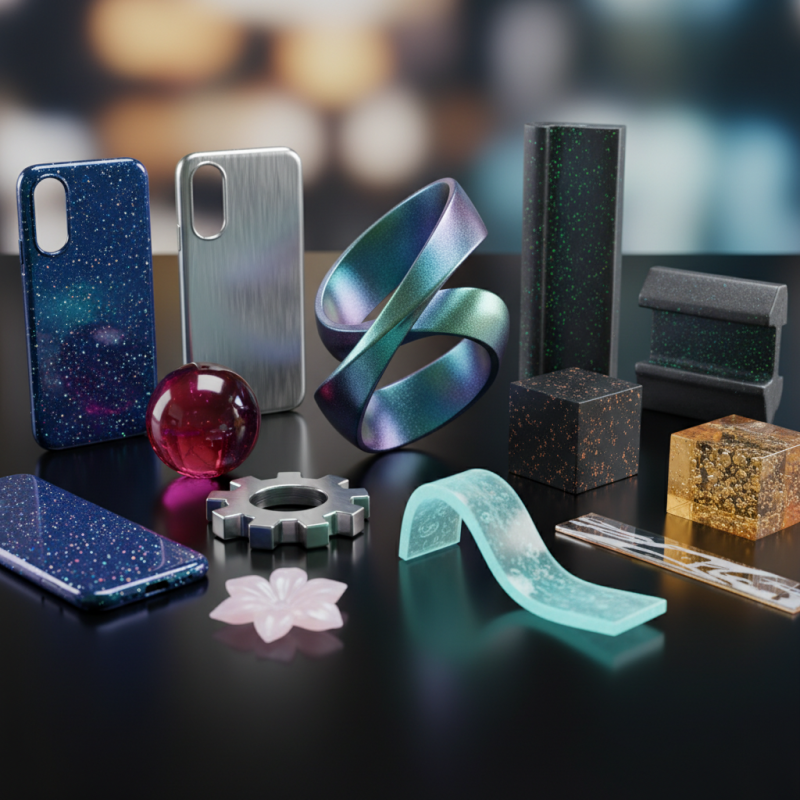
Special effect masterbatches play a crucial role in the plastics industry. These colorants enhance the visual appeal of plastic products. They can create unique textures and patterns that stand out in the market. This innovation is essential for brands looking to distinguish themselves. Consumers are drawn to products that look vibrant and exciting.
Tips: Consider the end-use of your plastic products. This will guide your choice of masterbatch. Not all effects suit every application.
The importance of special effect masterbatches cannot be overstated. They offer designers and manufacturers versatility. Different effects can include metallic, pearlescent, and even glow-in-the-dark finishes. These options enrich product designs. However, some effects may not perform as expected. It’s important to test each batch thoroughly. Quality may vary, and expectations must be managed.
Tips: Always request samples before finalizing your choice. Testing helps avoid potential disappointments in the final product. Seek feedback from designers to optimize the visual impact.
Types of Special Effect Masterbatches Used in Plastic Manufacturing
Special effect masterbatches play a crucial role in plastic manufacturing. They enhance the visual appeal of plastic products. Different types of masterbatches are available for various effects. Some provide vibrant colors. Others produce stunning metallic or pearlescent finishes.
Metallic masterbatches reflect light beautifully. They can create a luxurious look. Pearlescent masterbatches offer depth and shimmer. The visual experience is often striking and unique. However, achieving the desired effect can be challenging. It requires precise formulation and testing. Sometimes the results don't match expectations. The need for careful consideration cannot be overstated.
Glow-in-the-dark masterbatches are intriguing as well. They offer a wholly different aesthetic. These can be used for toys or safety equipment. However, their production can yield inconsistent glow levels. Transparent masterbatches are essential for specific applications. They can enhance the effects of colors beneath. Each type brings its own set of challenges and benefits. Understanding these nuances is key for effective selection.
10 Best Special Effect Masterbatches for Stunning Visuals in Plastics
Top 10 Special Effect Masterbatches for Enhanced Visual Appeal
Special effect masterbatches transform ordinary plastics into stunning visuals. These additives enhance color, texture, and overall appeal. They can create unique effects like shimmering, glittering, or metallic finishes. The right blend can elevate a product’s marketability and attract consumers.
Choosing the best masterbatch is not straightforward. Factors like compatibility with resin and processing conditions matter. Some products may not perform well during injection molding or extrusion. It's vital to consider the application's end use. Testing small batches can reveal unexpected results. Sometimes, the desired effect might look different than anticipated.
Creativity in plastic design is essential. Masterbatches offer fascinating opportunities but require careful selection. Not every combination yields the right outcome. Remember, visual appeal must also meet functional performance. Experimentation can lead to innovative results, but it is not risk-free. Understanding these dynamics helps achieve that perfect balance.
10 Best Special Effect Masterbatches for Stunning Visuals in Plastics
| Masterbatch Type |
Effect |
Recommended Use |
Processing Temperature (°C) |
Packaging |
| Pearlescent Masterbatch |
Iridescent Shine |
Cosmetics, Premium Packaging |
190 - 220 |
25kg Bags |
| Glow in the Dark Masterbatch |
Luminance |
Toys, Safety Equipment |
180 - 210 |
20kg Bags |
| Metallic Masterbatch |
Metallic Finish |
Automotive, Electronics |
200 - 230 |
25kg Bags |
| Fluorescent Masterbatch |
Bright Colors |
Promotional Products |
190 - 220 |
15kg Bags |
| Antibacterial Masterbatch |
Microbial Resistance |
Medical, Food Packaging |
170 - 200 |
20kg Bags |
| Holographic Masterbatch |
Multicolored Reflections |
Luxury Products |
210 - 240 |
25kg Bags |
| Transparent Color Masterbatch |
Clear Coloration |
Apparel, Containers |
180 - 210 |
20kg Bags |
| Scented Masterbatch |
Fragrance Release |
Home Goods, Toys |
175 - 205 |
15kg Bags |
| Impact Modifier Masterbatch |
Increased Toughness |
Construction, Automotive |
200 - 230 |
25kg Bags |
Application Techniques for Achieving Stunning Visuals with Masterbatches
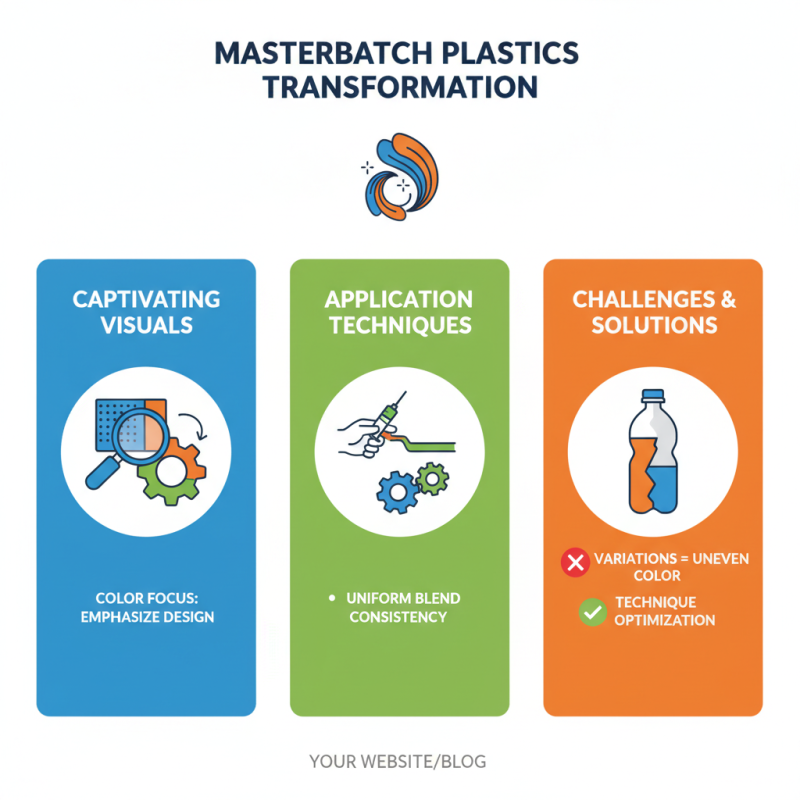
Masterbatches can transform ordinary plastics into captivating visuals. The right application techniques make all the difference. For instance, adding color focus helps in emphasizing specific design elements. This draws attention where it's needed most. However, achieving a uniform blend can be a challenge. Variations may occur, leading to uneven coloring.
Heating temperatures impact the final appearance as well. If the temperature is too high, colors may degrade. If too low, the masterbatch might not mix properly. Trial and error is often necessary. Testing small batches can reveal how different settings change the outcome. Observing these results helps in perfecting techniques.
Texture plays a crucial role too. Incorporating different textures can enhance the visual appeal significantly. Combine glossy and matte finishes for striking contrasts. Yet, balance is key; an overwhelming texture can easily distract from the intended design. Continuing to experiment with both color and texture leads to creative breakthroughs.